Fearing Iranian assassination bid, Trump was secretly flown out from Ankara Nato summit, report says
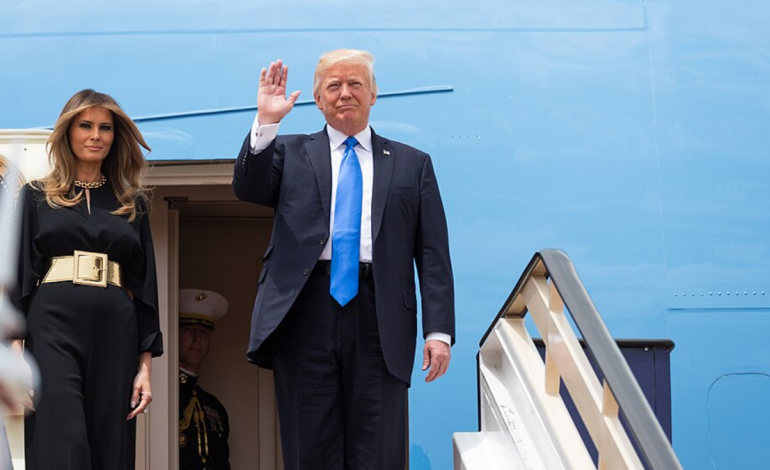
Representational image. (Image courtesy: Wikimedia)

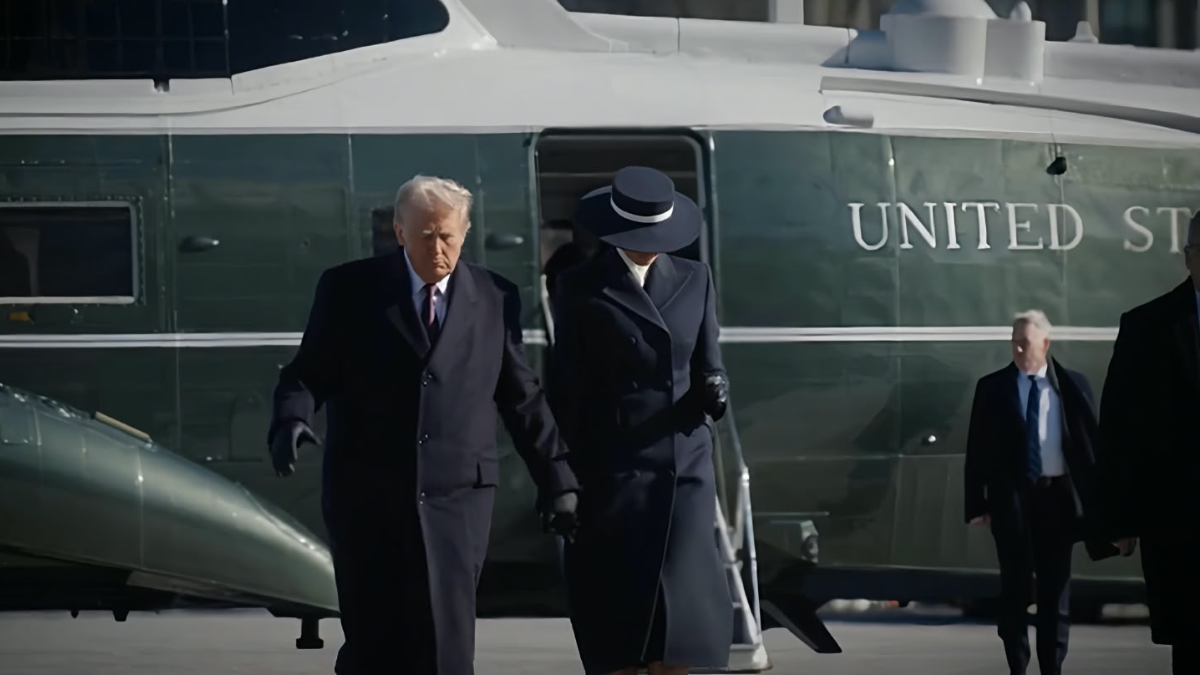
New Delhi: The US president, Donald Trump, secretly left last month’s Nato summit in Ankara, Turkey, aboard an alternative military aircraft as part of a security operation prompted by an Iranian assassination threat, according to the Washington Post. The report, published on Monday, said the White House maintained the impression that Trump was travelling back to Washington aboard Air Force One.
Journalists and some White House staff members were also led to believe they were flying on the same aircraft as the president as the US delegation began its return journey from the annual Nato leaders’ meeting.
The elaborate deception was intended to conceal Trump’s actual movements and reduce the risk posed by the reported Iranian threat. The president instead travelled separately on another military aircraft while the usual presidential plane served as part of the security ruse.
The operation took place on July 8, after the Nato summit in Ankara. Trump had arrived in Turkey aboard the newly converted Boeing 747-8 supplied by Qatar but announced before departure that he would fly to RAF Mildenhall in Britain on the older “baby blue” Air Force One. Nato formally held the summit in the Turkish capital on July 7-8.
What followed was far more elaborate than the public explanation suggested. The WashingtonPost reported and Reuters and The Guardian subsequently detailed, that Trump boarded the older Air Force One in view of cameras before being moved out through a door on the aircraft’s opposite side. An airport catering truck concealed the US president and a small group of aides as they were transferred to an Air Force C-32A.
The C-32A then carried Trump to Britain while journalists and some White House staff travelled on the decoy aircraft believing the US president was aboard. Reporters were instructed to keep their window shades down. The two aircraft reached RAF Mildenhall only minutes apart, after which Trump was seen leaving the older presidential aircraft, indicating he had apparently rejoined it away from public view.
US officials have not publicly disclosed the intelligence behind the threat. The Washington Post described it as a credible threat involving Iran. The White House did not directly confirm the operational details but said it uses every tool available to protect the US president. The secret service declined to comment.
Iran threat predates current war
Concerns over Iranian plots against Trump are not new. In November 2024, the US department of justice charged an alleged Islamic Revolutionary Guard Corps asset in a case in which prosecutors said he had been tasked by the Iranian government with developing a plan to kill then President-elect Trump.
The Ankara episode, however, occurred in a more dangerous strategic environment. The current US-Iran war began at the end of February 2026, when US and Israeli forces launched strikes against Iran. By the Nato summit, American forces were again conducting major attacks inside Iran amid renewed fighting and disruption to commercial shipping through the Strait of Hormuz.
As of now, the conflict has not ended. A preliminary US-Iran peace arrangement reached in June has largely broken down. Washington reimposed a blockade on Iranian shipping in July, while Iran responded with missile and drone attacks against US partners in the region and commercial vessels.
The latest US air campaign ran for 11 consecutive nights before ending on July 21 and both sides later observed short pauses in attacks while mediators tried to revive negotiations. Those efforts have since stalled over the Strait of Hormuz, sanctions and competing demands for compensation.
Iran says the US must end its blockade, lift sanctions and compensate Tehran for wartime damage before the strait is fully reopened. Trump has countered by demanding compensation from Iran for Americans and others killed in attacks and conflicts he attributes to Tehran. Reuters reported on Monday, August 10 that the strait remains effectively blocked and that prospects for a rapid agreement have faded.