



DR Congo sentences 66 soldiers to death for cowardice, mutiny and disobeying orders
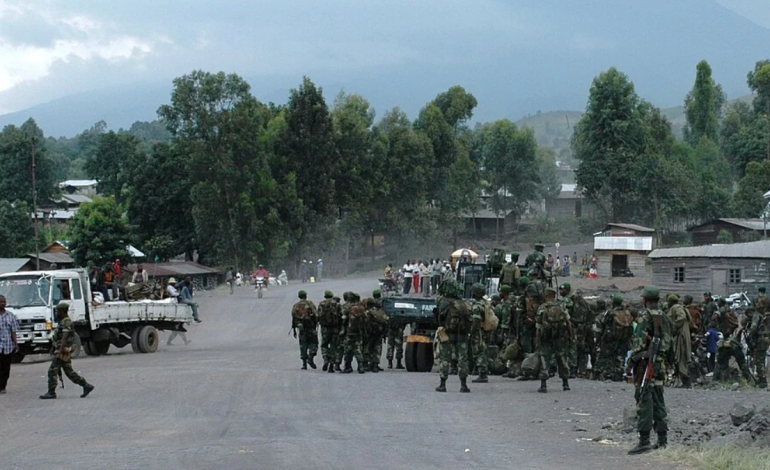
Representational image. (Image courtesy: Wikimedia)

New Delhi: A military court in the Democratic Republic of the Congo (DR Congo) has sentenced 66 soldiers to death on charges of cowardice, mutiny and disobeying orders during operations against armed rebel groups in the country’s volatile eastern region. The verdicts were delivered following the trial of 71 soldiers in Walikale, a town in North Kivu province, where government forces have been struggling to contain multiple insurgencies.
Of the 71 personnel tried, four were acquitted, while one was sentenced to 10 years in prison. The Congolese military has defended the proceedings as part of its efforts to enforce discipline and maintain operational effectiveness among troops fighting armed groups in the country’s conflict-ridden east.
The latest convictions come just weeks after 27 other soldiers were sentenced to death on similar charges of cowardice after allegedly withdrawing from frontline positions. The repeated imposition of capital punishment highlights the military authorities’ increasingly severe approach to disciplinary violations as government forces face sustained pressure from rebel offensives.
Africanews reported that the soldiers were arrested after allegedly abandoning their positions during clashes with rebel fighters on October 20. Their prosecution comes against a backdrop of persistent concerns over the Congolese military’s battlefield performance, command structure and ability to withstand coordinated insurgent attacks.
Eastern DR Congo has endured decades of armed violence, fuelled by ethnic tensions, competition over mineral resources and the limited reach of state institutions. The region hosts more than 120 armed groups, many of which compete for territorial control and access to valuable resources, including gold and other minerals.
Among the most prominent is the Rwanda-backed M23 rebel movement, which seized extensive territory in eastern DR Congo, including Goma, during a major offensive in early 2025. The group’s territorial advances have intensified tensions between Kinshasa and Kigali, with the Congolese government accusing Rwanda of supporting the insurgency, an allegation reinforced by findings from United Nations experts but denied by Kigali.
The prolonged fighting has produced one of the world’s most serious humanitarian emergencies, forcing large numbers of civilians from their homes and exposing vulnerable communities to killings, sexual violence and other abuses. Humanitarian agencies sought approximately $2.5 billion in assistance for DR Congo in 2025, although insecurity, attacks on aid operations and widespread looting have repeatedly obstructed relief efforts.
The United Nations has warned that the deteriorating situation in eastern DR Congo could escalate into a wider regional conflict, particularly given the involvement or alleged involvement of neighbouring countries in the violence. Competition for mineral wealth, weak government control and the drawdown of the UN peacekeeping mission have further complicated efforts to establish lasting security.
The Congolese armed forces have themselves faced criticism over inadequate equipment, poor organization, low salaries and weaknesses in military leadership. These longstanding deficiencies have undermined their ability to conduct sustained operations against well-entrenched rebel formations, raising questions about whether harsher disciplinary measures alone can improve battlefield performance.
In March 2024, the Congolese government lifted a moratorium on executions that had remained in place for approximately two decades, effectively reopening the possibility of carrying out death sentences. Authorities justified the decision as necessary to address treason, serious military offences and other crimes considered threats to national security.
The renewed use of capital punishment has drawn criticism from human rights organizations, which argue that death sentences are an inappropriate response to military indiscipline and raise serious concerns about due process. Although the moratorium has been lifted and military courts have continued imposing death sentences, the report did not establish that any of the condemned soldiers had been executed.


