

China tracks New Zealand warships during Taiwan Strait transit as Indo-Pacific naval activity grows
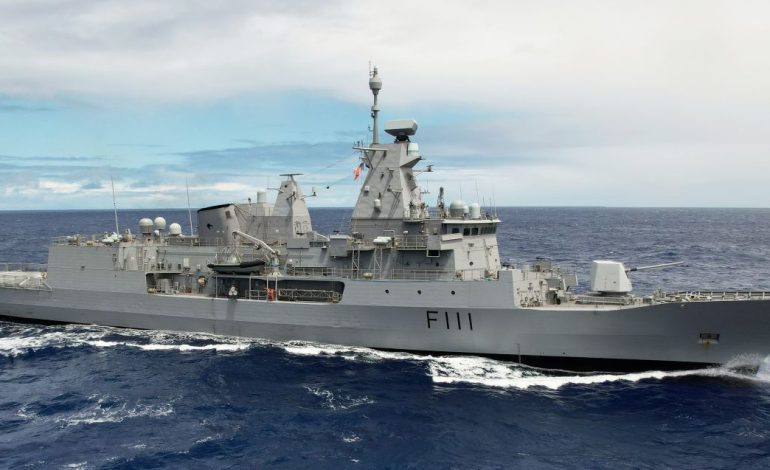
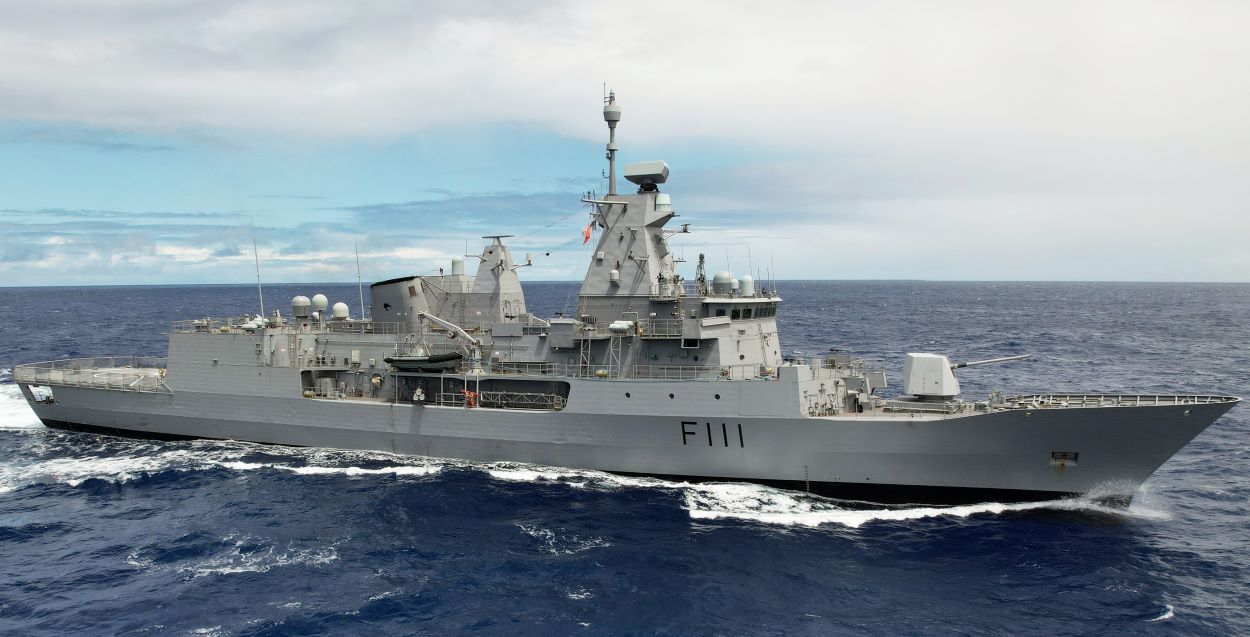
HMNZS Te Mana. (Creative Commons photo via Wikipedia)

New Delhi: China’s military tracked two Royal New Zealand Navy vessels as they sailed through the Taiwan Strait on Friday, according to Chinese state media, marking another foreign naval passage through the strategically sensitive waterway. The deployment involved the Anzac-class frigate HMNZS Te Mana and the fleet replenishment ship HMNZS Aotearoa.
The People’s Liberation Army (PLA) monitored the two vessels throughout their passage and maintained a state of readiness, the state-run Global Times reported, citing unnamed Chinese military sources. The report described the situation as being under control but did not say whether Chinese forces issued radio warnings, deployed aircraft or shadowed the ships at close range.
New Zealand had not publicly confirmed the transit at the time of publication, and the Chinese account could not be independently verified. Wellington has, however, repeatedly maintained that its naval deployments comply with international law and support freedom of navigation in the Indo-Pacific.
The two ships have been operating together as a Royal New Zealand Navy task group during an extended regional deployment. The New Zealand Defence Force said in August that the vessels would participate in multinational maritime activities and help monitor attempts to evade UN security council sanctions imposed on North Korea.
The latest passage is therefore likely to have formed part of a wider deployment rather than a stand-alone operation directed at China. Nevertheless, sending a combat-capable frigate accompanied by a replenishment ship through the strait carries greater operational and political weight than the passage of a single support vessel.
HMNZS Te Mana is one of New Zealand’s two Anzac-class frigates and the navy’s principal surface-combat platform. The 3,660-tonne warship has a top speed exceeding 27 knots and carries surveillance, anti-air, anti-surface and anti-submarine systems that were modernized under an extensive frigate systems upgrade.
HMNZS Aotearoa, commissioned in 2020, is a 26,000-tonne auxiliary vessel designed to refuel and resupply other ships at sea, allowing a naval group to remain deployed for longer periods. According to its official specifications, the 173.2-metre ship can carry 9,500 tonnes of liquid cargo and has a maximum speed of 20 knots.
The passage also indicates a gradual increase in New Zealand’s visible naval presence in waters surrounding Taiwan. HMNZS Aotearoa made a rare solo transit on November 5, 2025, after sailing through the strait alongside an Australian warship in September 2024 – the first such New Zealand passage since 2017.
Beijing regards Taiwan as part of China and opposes foreign military activity that it believes challenges its sovereignty or lends political support to the island. The PLA routinely dispatches naval and air assets to identify, follow and monitor foreign warships using the strait, frequently accusing Western and allied navies of increasing regional security risks.
Taiwan, the United States and several other governments reject any Chinese claim that would restrict lawful navigation through the wider strait. They argue that ships and aircraft retain navigation and overflight rights in areas beyond territorial seas under the UN Convention on the Law of the Sea.
The legal disagreement is complicated because the strait includes different maritime zones rather than constituting a single category of water. China recognizes that parts of it are territorial sea, contiguous zone and exclusive economic zone, but maintains that foreign military operations must not undermine its sovereignty or security; other countries argue that international law preserves navigation freedoms in exclusive economic zones.
For New Zealand, such transits balance its heavy economic relationship with China against its security partnerships with Australia, the United States and other Indo-Pacific countries. Wellington generally describes them as routine exercises of navigational rights, but Beijing views their frequency, composition and coordination with partner navies as politically significant.
No confrontation or unsafe encounter was reported during the September 18 passage. Yet the deployment of Te Mana and Aotearoa together demonstrates how even smaller Indo-Pacific navies are becoming more active in waters where competing interpretations of maritime rights intersect with the military contest over Taiwan.