
At the UN, Pakistan Seeks Debt Relief, Fund Access for Developing Nations
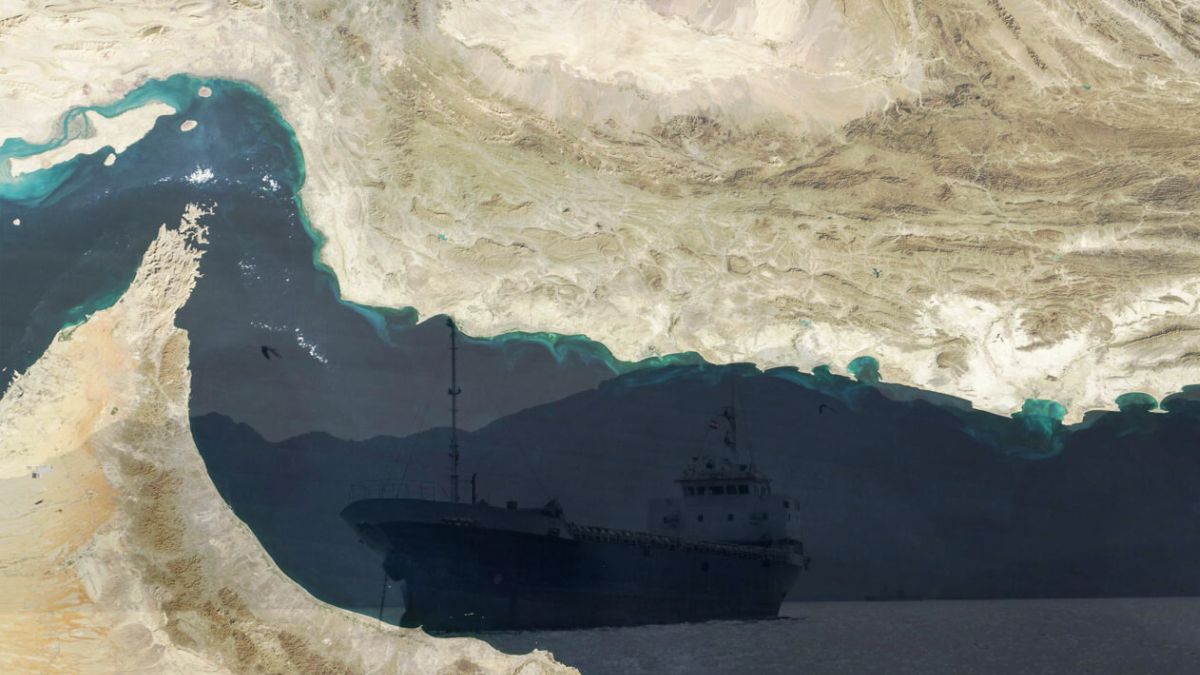
Strait of Hormuz blockade. Image courtesy: RNA

Pakistan, on Saturday (May 16, 2026), pleaded with the United Nations to provide external funding and debt relief to developing nations, including itself, warning that the ongoing war in West Asia has resulted in energy supply disruptions and inflationary pressures for millions.
At the UN Economic and Social Council (ECOSOC) meeting, Pakistani Ambassador Asim Iftikhar Ahmad discussed measures to safeguard nations hit by energy supply disruptions and inflationary pressures caused by rising oil prices globally.
The latest West Asia war, started by the US-Israel combine that attacked Iran on February 28, has been raging despite a fragile ceasefire announced on April 8 still holding.
The war has led to a blockade of the Strait of Hormuz through which a large part of the global oil supplies pass, causing crude prices to rise globally.
Pakistan depends on the West Asian fuel supplies, and the blockade in the Strait of Hormuz has forced Islamabad to adopt austerity measures, including closing markets early and providing fuel subsidies in millions of Dollars to cargo movers and other vehicle users.
“And it is here that ECOSOC may exercise its charter mandate and actively engage international financial institutions and other relevant organisations to ensure a scaled-up, coordinated global response to address the needs of the most affected developing countries,” Ahmad said.
“This could include ensuring rapid access to external financing for essential imports, including through crisis response windows and emergency financing facilities, as well as debt relief,” he added.
The ambassador noted that Pakistan is among the most severely affected countries due to the West Asian conflict, adding that the crisis has led to abrupt fuel shortages, surging prices, and inflationary pressures in the country.
He said Islamabad’s investment in and the growth of the solar sector helped it to mitigate the energy shock to “some” extent. “But the impacts extend well beyond energy,” he said, adding that fertilizer prices spiked, foreign remittances declined, and food security remained precarious.
Ahamed urged the global body to pool its efforts to end the West Asian conflict through a peaceful settlement. “Restraint, diplomacy, and dialogue must prevail,” Ahmad said.
He said Pakistan had actively made such efforts and remained committed to playing its constructive role in promoting dialogue and supporting all efforts aimed at achieving lasting peace.
Pakistan has been playing mediator between the US and Iran to stop the war and to find peace, but has failed to bring the two sides to the negotiation table after their first round of talks in mid-April collapsed without an agreement.