

Afghanistan says it struck Pakistani military posts after drone attacks, Islamabad disputes account
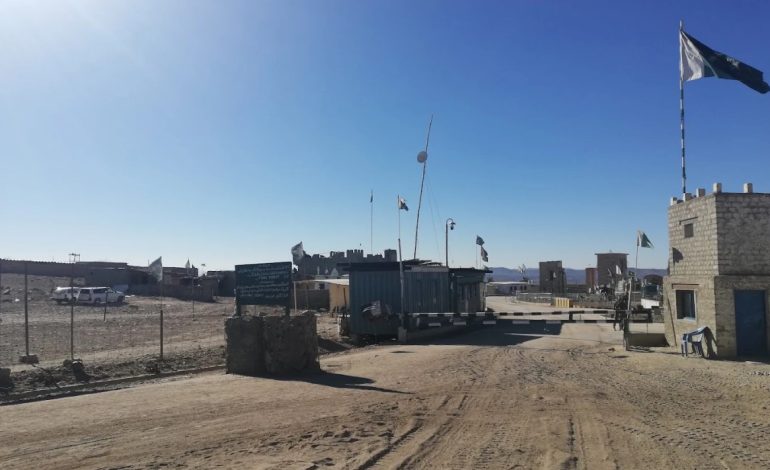
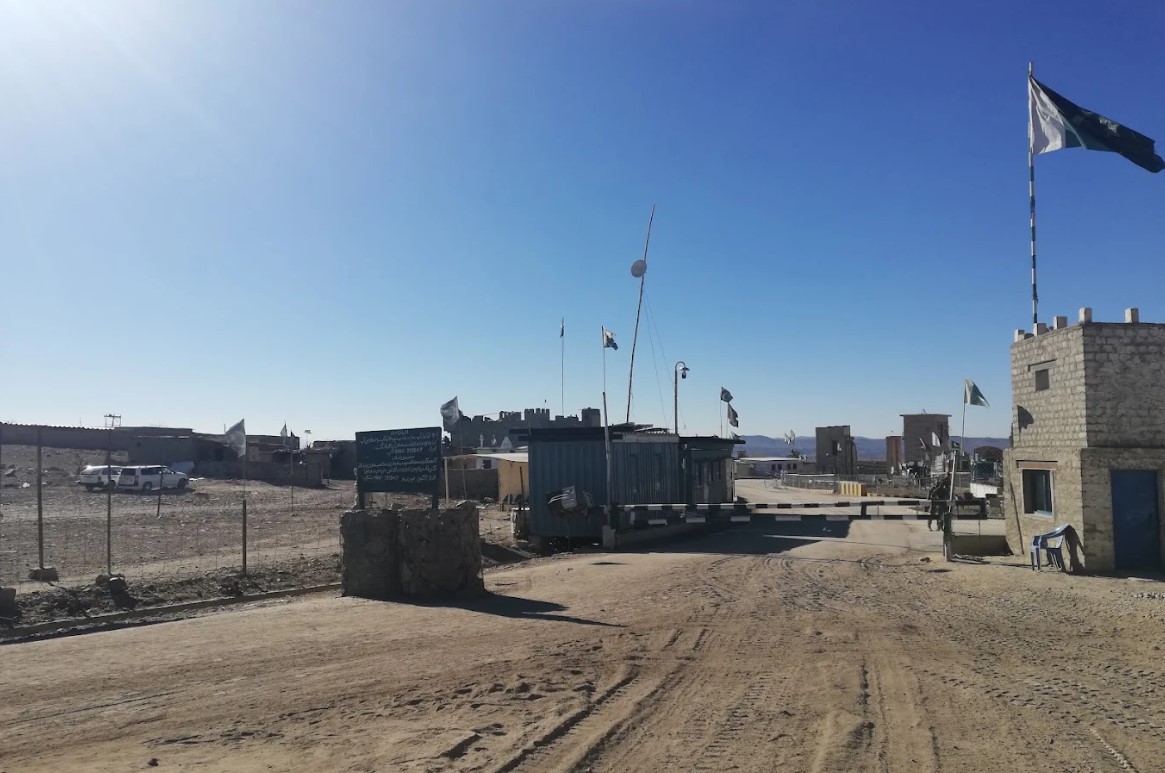
The Angood Adda Pakistan-Afghanistan border crossing, which saw the latest clashes between Afghan Taliban and Pakistani military. (Photo via Google Maps/Qaisar R)

New Delhi: Afghanistan’s Taliban authorities say their forces attacked Pakistani military positions after four Pakistani drone strikes hit border facilities in Paktika province, in another confrontation along the troubled frontier. Islamabad has rejected Kabul’s account, saying Afghan forces fired first at civilian areas and Pakistani troops responded by destroying seven Afghan border posts.
Pakistani officials reported one civilian killed and five people injured in the fighting around Angoor Adda on Tuesday, with homes and shops affected by shelling. Both sides claimed to have inflicted military casualties, but neither provided a precise toll, and their competing accounts of the fighting could not be independently verified.
The exchange took place near a crossing connecting Afghanistan’s southeastern Paktika province with Pakistan’s Lower South Waziristan district in Khyber Pakhtunkhwa. Reports published on Thursday describe conflicting claims over who initiated the confrontation and how much damage the subsequent attacks caused.
Kabul attributes fighting to Pakistani drone strikes
In a statement issued on October 28, Afghanistan’s defence ministry said Pakistani forces had conducted four drone attacks against a border administrative office and nearby security installations in Paktika the previous day. The ministry’s spokesman, Sedeequllah Nasrat, said Afghan troops responded by striking a nearby Pakistani military base and surrounding positions, according to Reuters.
The ministry claimed that Pakistani soldiers were killed or wounded and military infrastructure damaged in the counterattack. It reported no casualties among Afghan forces, although no independent assessment was available to substantiate that assertion or its account of Pakistani losses.
A Xinhua report also cited the ministry as saying that Afghan personnel stationed near the affected border facilities had carried out the response. Kabul presented the operation as retaliation for an attack on Afghan territory.
Pakistan says civilians were attacked first
Pakistan subsequently issued a formal rebuttal, making the initial reports that Islamabad had yet to respond outdated. Its information and broadcasting ministry accused Afghan forces of opening fire and launching mortar shells at civilians on the Pakistani side before Pakistani troops retaliated.
In a statement carried by state broadcaster Radio Pakistan, the ministry claimed that the response destroyed seven Afghan posts and caused substantial personnel and material losses. It supplied no numerical breakdown of the alleged Afghan casualties, leaving the scale of those losses unverified.
The Lower South Waziristan administration said a mortar round struck a civilian home, killing one person and injuring five others. An administrative official separately told AFP that Pakistani troops had answered the shelling with artillery fire directed at an Afghan checkpoint but could not confirm casualties across the border.
The governor of Khyber Pakhtunkhwa, Faisal Karim Kundi, condemned the reported attack on civilian areas and backed the military’s response. Afghan security sources cited by KabulNow said homes on the Afghan side had also been hit, although the extent of the damage and any associated casualties had not been independently established.
Pakistan’s information ministry also alleged Indian involvement in the incident, without presenting supporting evidence in the statement carried by Radio Pakistan. That allegation remains unsubstantiated in the available reporting.
Militancy dispute sustains border tensions
The confrontation is part of a broader deterioration in relations driven by Pakistan’s allegations that militant groups use Afghan territory to organize attacks across the border. Islamabad has repeatedly accused the Taliban authorities of sheltering the Tehreek-e-Taliban Pakistan, or TTP, while Kabul denies permitting its territory to be used against other countries.
Repeated clashes and Pakistani strikes inside Afghanistan have accompanied that dispute this year, despite a truce reached in March. AFP reported that sporadic attacks had continued because the underlying disagreements over security remained unresolved.
The civilian consequences extend well beyond the latest exchange at Angoor Adda. In a report released in July, the United Nations Assistance Mission in Afghanistan documented 499 civilians killed and 1,216 injured in Afghanistan by cross-border violence between October 2025 and the end of June 2026 – figures that predate the present incident.
Diplomatic engagement has nevertheless continued alongside the military confrontation. At talks in Moscow on October 5, the Afghan foreign minister, Amir Khan Muttaqi, said differences with Pakistan could be addressed through dialogue and diplomacy, while maintaining that Kabul reserved the right to defend itself against attacks.
Pakistan’s representative at those talks, meanwhile, called for action against groups Islamabad accuses of operating from Afghan territory. The latest fighting has again exposed the central obstacle to easing tensions: Pakistan demands verifiable measures against militants, while the Taliban authorities reject those accusations and characterize Pakistani strikes as violations of Afghan sovereignty.