

The defence minister, Rajnath Singh lays out 2047 defence vision, calls for self-reliance in critical technologies
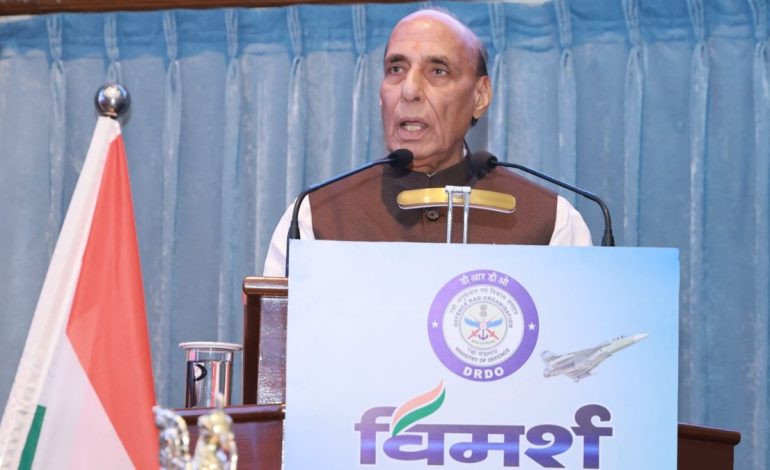
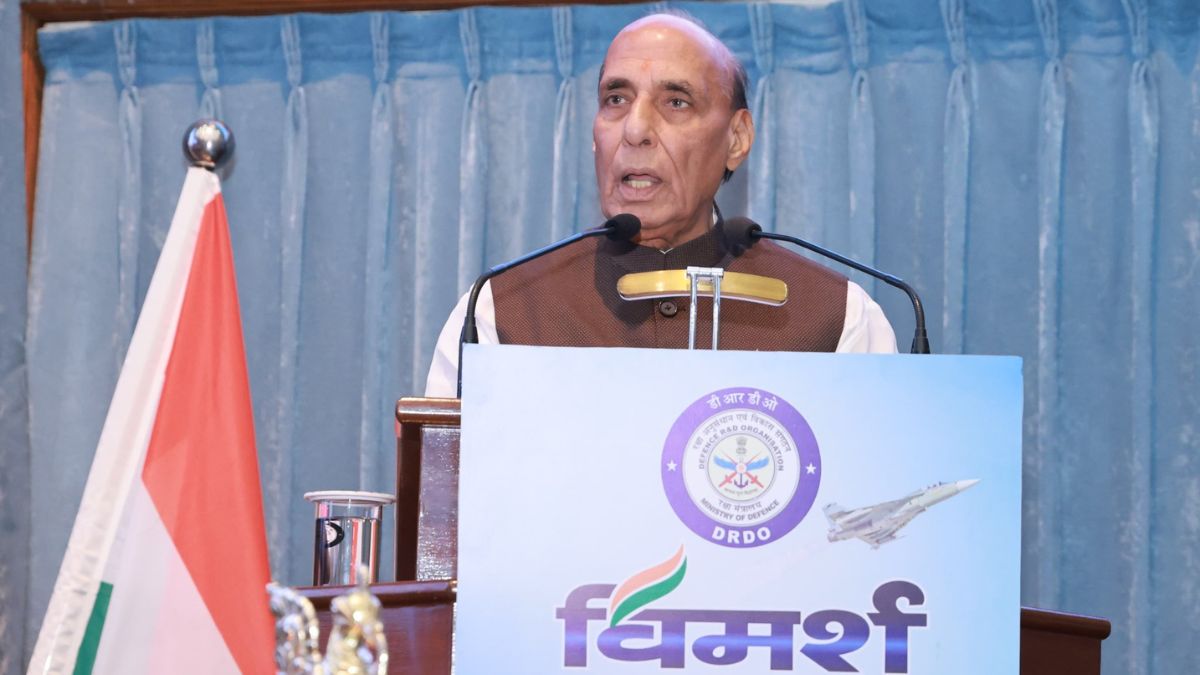
The defence minister, Rajnath Singh addresses Vimarsh 2026 at DRDO Bhawan in New Delhi. Image courtesy: X.com/@rajnathsingh

New Delhi: India will need to achieve self-reliance in critical defence technologies, substantially increase indigenous content and expand its presence in global supply chains by 2047, the defence minister, Rajnath Singh, said on Tuesday. He placed technological leadership at the centre of that effort, saying strategic advantage in future warfare would increasingly depend on countries that can develop and deploy advanced technologies.
Singh was addressing Vimarsh 2026, a Defence Research and Development Organization (DRDO) Industry Synergy Meet at DRDO Bhawan in New Delhi. According to the Economic Times, Singh said the vision of a developed India by 2047 went beyond economic strength to include technological self-reliance, social inclusion, environmental sustainability and strategic security, with the defence sector serving as a “cornerstone” of that ambition.
By 2047, Singh said, India must achieve self-reliance in critical technologies, significantly increase indigenous content, record multi-fold growth in defence exports and secure a stronger position in global supply chains. These remain longer term objectives rather than capabilities India has already achieved.
Singh said technological leadership would increasingly determine strategic advantage in future warfare and called for faster development of emerging technologies within India. He singled out artificial intelligence and drones as areas that would play an increasingly important role in future conflict.
He also called for the partnership between DRDO and industry to extend beyond production to research, design, testing, certification and the entire manufacturing value chain. Micro, small and medium enterprises (MSMEs) and start-ups, he said, must become an integral part of that ecosystem alongside larger defence companies.
At Vimarsh, Singh also unveiled policy initiatives aimed at strengthening the participation of MSMEs and start-ups and launched a framework for sharing DRDO developed software source codes with licensee industries. The measures form part of the wider effort to move more indigenous technology from research and development into industrial production.
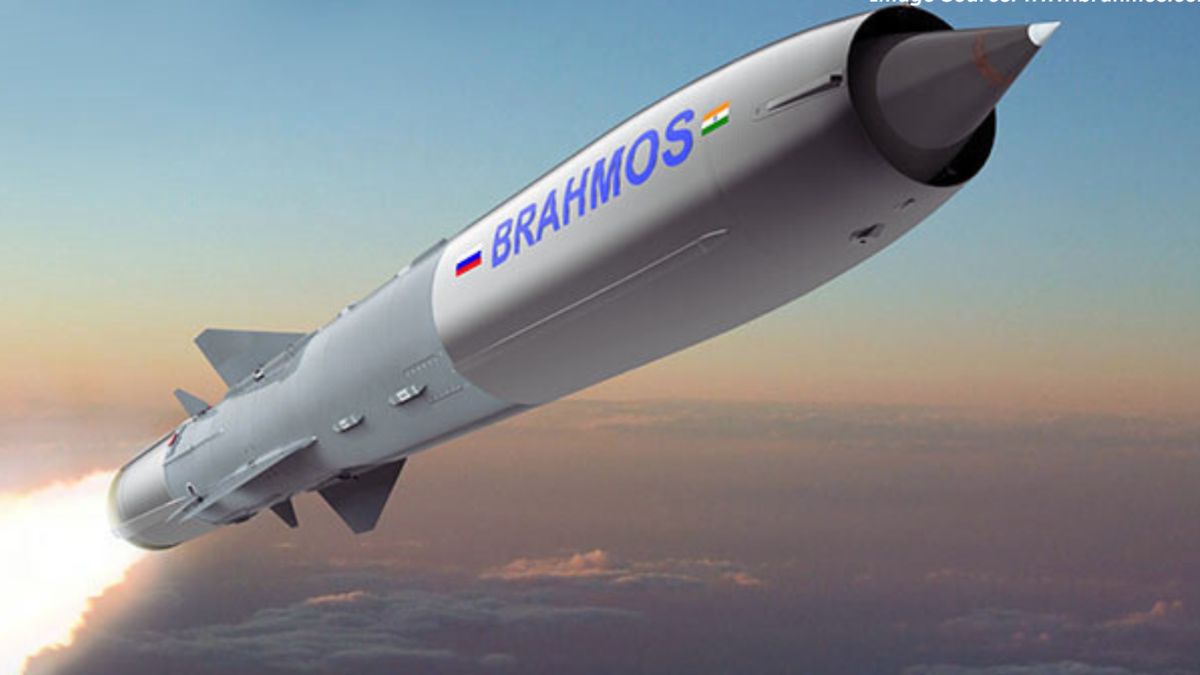
That push follows the government’s decision in August to allow the transfer of DRDO developed technologies for all conventional missile systems to eligible Indian defence manufacturers. As RNA Media reported, the move is aimed at expanding domestic manufacturing capacity, increasing indigenous content and bringing MSMEs and other technology partners deeper into defence supply chains.
Production and exports at record levels
India enters the longer term push with defence manufacturing and exports at record levels. Official figures show domestic defence production reached ₹1.78 lakh crore in 2025-26, up 15.6 per cent from ₹1.54 lakh crore the previous year. The private sector accounted for 24 per cent of production, its highest share so far.
Defence exports rose to a record ₹38,424 crore in 2025-26, an increase of 62.66 per cent from ₹23,622 crore a year earlier. Indian defence products are now exported to more than 80 countries.
The government has separately set nearer term targets of ₹3 lakh crore in annual defence production and ₹50,000 crore in exports by 2029. Singh’s 2047 roadmap extends that trajectory, with the longer term focus on control over critical technologies, higher domestic value addition and a stronger role for Indian companies in international defence supply chains.