BrahMos exports set to cross $600 million as India expands Southeast Asian sales, defence secretary says
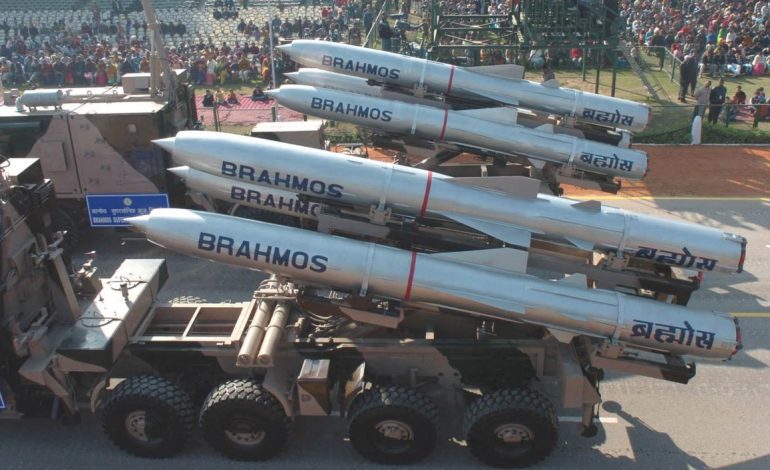
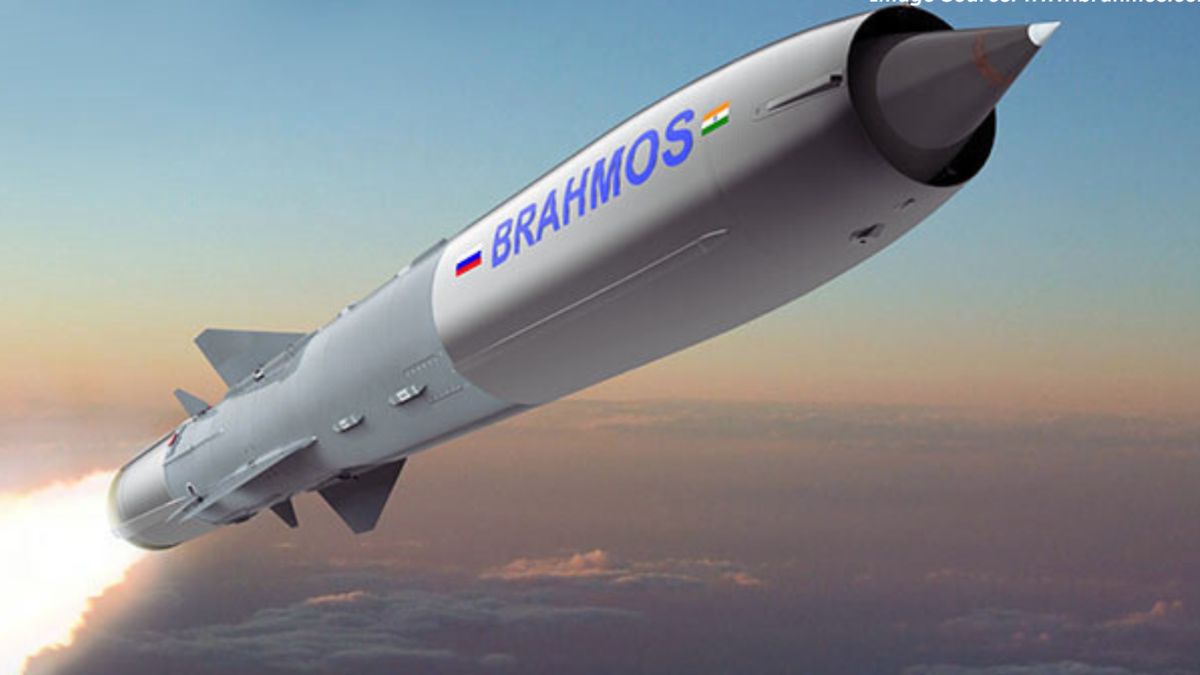
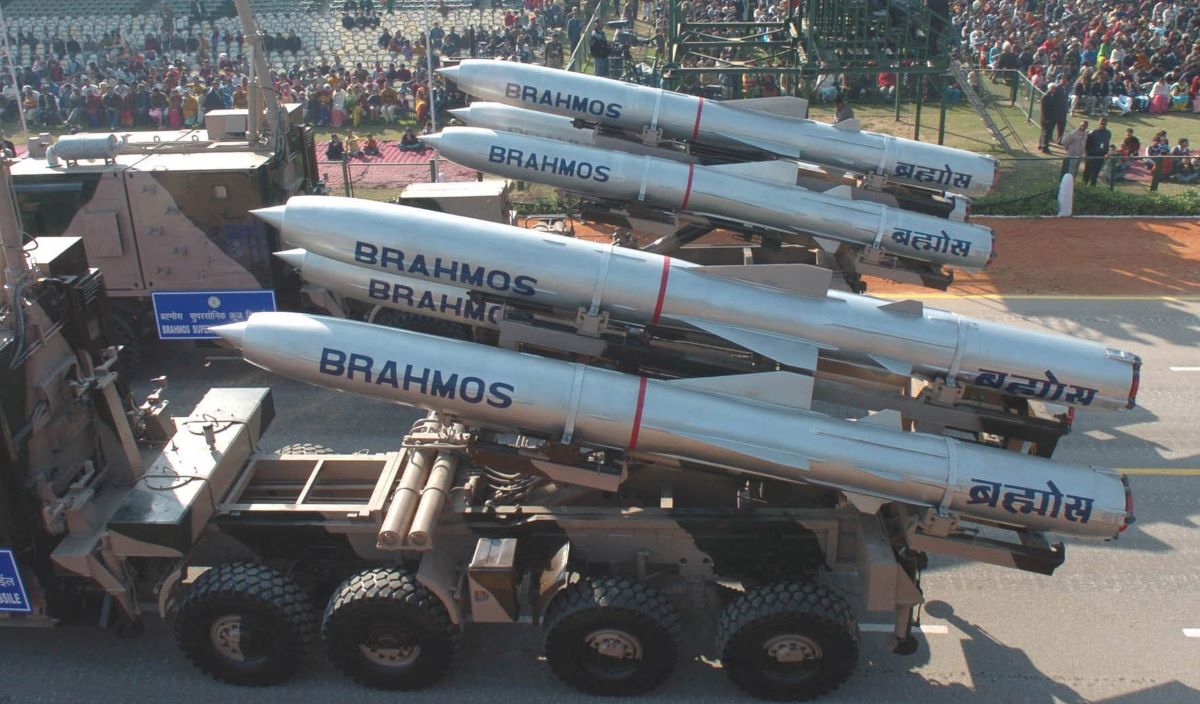
BrahMos missile on display during a Republic Day parade in New Delhi.

New Delhi: India expects BrahMos missile exports to exceed $600 million, with sales to the Philippines and agreements involving Vietnam and Indonesia strengthening its presence in Southeast Asia’s defence market. The defence secretary, Rajesh Kumar Singh, said the supersonic cruise missile was becoming a benchmark for the country’s ability to export sophisticated weapon systems.
In an interview with ANI published on Thursday, Singh put the value of BrahMos systems delivered to the Philippines at approximately $330 million. He estimated initial exports to Vietnam at about $100 million and those to Indonesia at around $200 million, taking the combined figure to roughly $630 million. The Economic Times
The figures distinguish equipment already delivered from exports expected under contracts or agreements with additional buyers. Singh did not provide delivery schedules for Vietnam and Indonesia, or a detailed breakdown of the equipment covered by their respective arrangements.
Singh also linked the missile’s export prospects to its deployment during Operation Sindoor, describing it as a system whose capabilities had been demonstrated in combat. He highlighted the air-launched version integrated with Sukhoi fighters as another established capability that could help sustain overseas demand.
The Philippines provided the foundation for BrahMos’s overseas expansion when it signed a shore-based anti-ship missile contract on January 28, 2022. Valued at approximately $374.96 million, the package covered three missile batteries, operator training and integrated logistics support for the Philippine armed forces.
That original contract value is distinct from the approximately $330 million in deliveries cited by Singh in his latest interview. The first consignment arrived in April 2024, giving Manila a new coastal strike capability as it pursued military modernization amid tensions with China in the South China Sea.
For coastal defence, a shore-based anti-ship system allows forces operating from land to threaten hostile vessels approaching protected waters. The Philippine purchase therefore illustrates how BrahMos can support maritime deterrence without requiring the buyer to acquire a new fleet of missile-carrying warships.
BrahMos is the product of an India-Russia joint venture established in 1998, rather than an exclusively Indian development programme. Its name combines the Brahmaputra and Moskva rivers, reflecting the partnership behind a weapon that has subsequently been adapted for different launch platforms and missions.
According to BrahMos Aerospace’s technical description, the missile uses a solid-fuel booster followed by a liquid-fuel ramjet, reaching approximately Mach 2.8 during its cruise phase. Its supersonic speed reduces the time available for a defending force to detect, track and respond to an incoming attack, although operational effectiveness also depends on targeting information and the defences encountered.
The manufacturer lists both anti-ship and land-attack capabilities, with ship-based, mobile land-based and air-launched configurations. The Philippine export package was reported to have a range of 290 kilometres, a specification that should be distinguished from the extended-range versions developed for Indian requirements.
The air-launched programme reached a significant milestone on November 22, 2017, when BrahMos was successfully tested from an Indian Air Force Su-30MKI against a sea target in the Bay of Bengal. Integrating the missile with a fighter aircraft added another launch option alongside its land and naval configurations, widening its operational applications.
Interest has also extended beyond Southeast Asia, although discussions should be distinguished from completed orders. Reuters reported in June this year that India was in early-stage talks with the United Arab Emirates over BrahMos and other defence systems, citing Indian sources; it also reported that a BrahMos sale would require Russian approval.
The missile’s overseas expansion comes against a wider increase in Indian military exports, which reached ₹38,424 crore in the financial year 2025–26. Defence ministry figures show a rise of ₹14,802 crore, or 62.66 per cent, from ₹23,622 crore in the preceding year.
Public sector defence enterprises contributed ₹21,071 crore to the total, while private companies accounted for ₹17,353 crore. India exported defence equipment to more than 80 countries, and the number of exporters rose from 128 to 145, indicating that the expansion extends beyond a handful of prominent missile deals.
The Philippine contract’s inclusion of training and logistics support also shows that exporting a complex weapon involves more than supplying missiles and launchers. As BrahMos adds customers, reliable deliveries, maintenance and sustained support will matter alongside the weapon’s performance in converting initial purchases into lasting defence relationships.