
From Mumbai gangster Manya Surve’s family to actor and Army man. Nana Patekar’s extraordinary journey
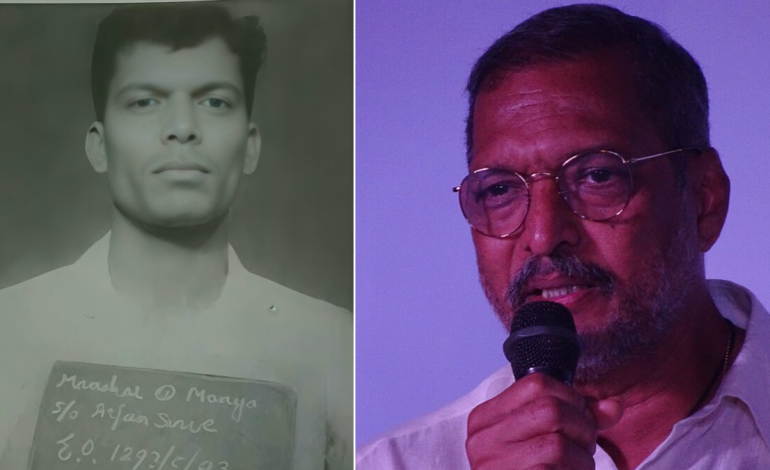
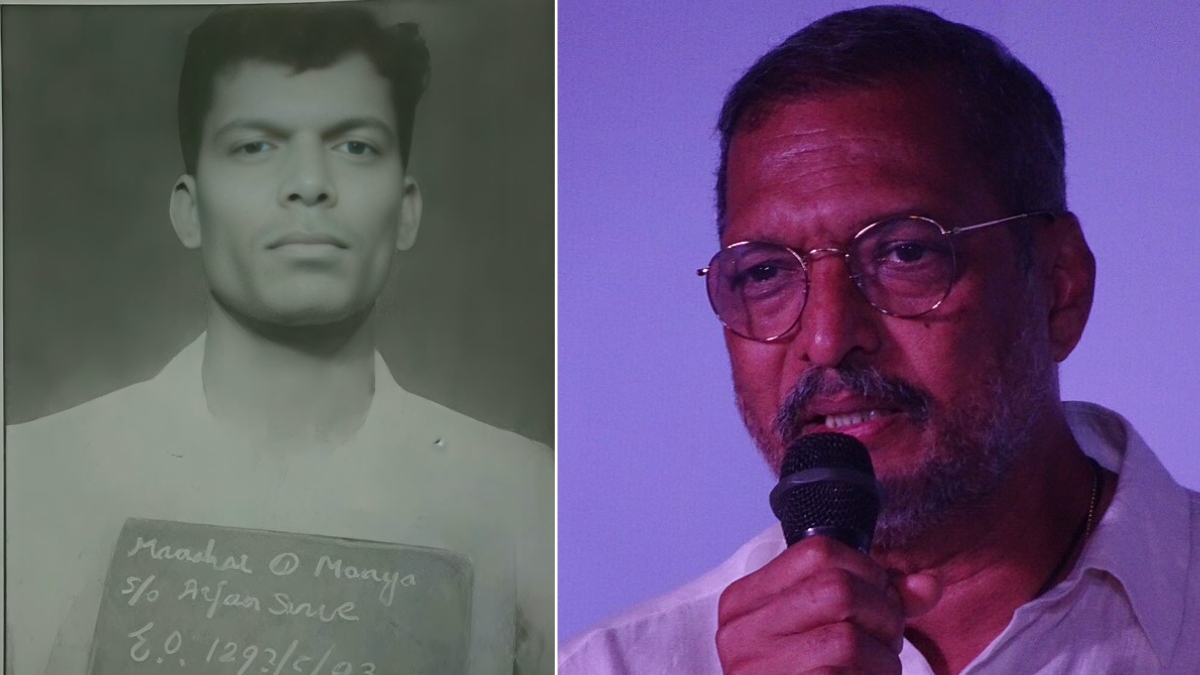
From Mumbai gangster Manya Surve’s family to actor and Army man. (Image courtesy: Wikimedia)

New Delhi: Veteran actor and former Territorial Army officer Nana Patekar died on Thursday morning at the age of 75 after a cardiac arrest at his residence in Dona Paula, Goa. He was found unconscious at home and rushed to Manipal Hospital, where he was declared dead at around 5.20am.
Patekar’s life carried a striking contrast. The actor, known for portraying some of Indian cinema’s toughest characters, had a connection to Mumbai’s underworld through his maternal family. His maternal uncle’s son was Manohar ‘Manya’ Surve, one of the city’s most feared gangsters.
Patekar had spoken about Surve while explaining how he understood the mannerisms of gangster characters. He said people with criminal tendencies were present on his mother’s side of the family and identified Manya Surve as his maternal cousin.
His mother, however, wanted her children away from that influence. Patekar recalled that she took him and his siblings from Mumbai when they were young so they would not be drawn into the environment surrounding their relatives.
Years later, Patekar highlighted the impact of that decision during his appearance on Kaun Banega Crorepati 16. He said that if he had not become an actor, he might have become a gangster. He also said his childhood exposure to such personalities had given him an understanding of how criminals behaved.
Who was Manya Surve?
An educated graduate who studied at Kirti College, Manya Surve emerged as a major figure in the city’s gang wars in the late 1970s and early 1980s. He was sent to Yerwada Jail in connection with a murder case but later escaped and returned to Mumbai, where he formed his own gang and became associated with the Pathan gang.
Surve was involved in the February 1981 killing of Shabir Ibrahim Kaskar, the elder brother of Dawood Ibrahim, further intensifying the violent rivalry between Mumbai’s gangs. Less than a year later, on January 11, 1982, Surve was shot dead by Mumbai Police Crime Branch officers Isaque Bagwan and Raja Tambat near Ambedkar College in Wadala. The operation is widely regarded as Mumbai’s first official police encounter killing and later became the inspiration for the 2013 film Shootout at Wadala.
For Patekar, this was not simply a Mumbai’s crime history. Surve was his maternal cousin, and Patekar grew up with a close view of the criminal environment surrounding parts of his family.
While his maternal cousin became one of the most feared names in Mumbai’s underworld, Patekar eventually chose a dramatically different path, moving from commercial art and theatre into Hindi cinema and later developing a strong association with the Indian Army.
From cinema to the Army
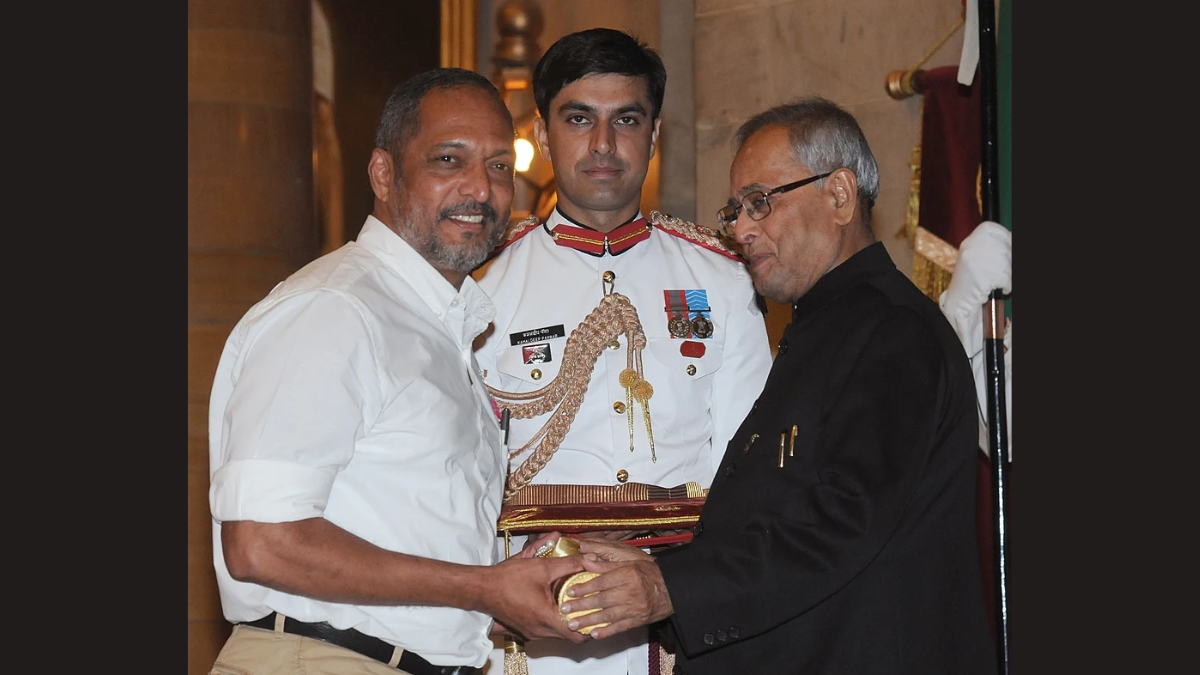
Patekar studied commercial art and worked as a commercial artist before moving into theatre. He made his Hindi film debut with Gaman in 1978 and went on to earn acclaim for films such as Parinda, Krantiveer, Agni Sakshi, Tirangaa, Ab Tak Chhappan and Welcome.
His intense screen presence made him a natural fit for roles involving crime and violence, but he was selective about the characters he accepted. Filmmaker Anurag Kashyap has recalled that Patekar turned down a role in Ridley Scott’s Body of Lies after learning that he would be playing an Indian-origin terrorist. The role was later played by another actor Leonardo DiCaprio.
His real-life association with the armed forces was very different from the role he rejected. Patekar’s connection with the Army began while preparing for Prahaar: The Final Attack, for which he underwent military training for 3 years. He had also joined the Territorial Army as a captain in 1988.
During the 1999 Kargil War, that association moved beyond preparation for a film. As RNA Media reported earlier, Patekar received permission to travel to Srinagar and supported Army personnel during the conflict.
His relationship with the armed forces continued for years, and he eventually retired from the Territorial Army in 2013 with the rank of lieutenant colonel.
From being born into a family with a notorious underworld connection to becoming one of Indian cinema’s most recognizable actors and later serving in the Territorial Army, Patekar’s life took a path far removed from the one his mother had feared for him.
With his death, a chapter in Indian cinema and a much-admired life comes to an end. Patekar is survived by his wife, Neelakanti Patekar, and son, Malhar Patekar. Patekar had earlier said that he and Neelakanti developed irreconcilable differences over the years and gradually grew apart, leading them to live separately, although they continued to remain married.