

Operation Sindoor lessons drive France’s push for longer-range Rafale missiles

Lieutenant General Dominique Tardif.

New Delhi: France is studying the Indian Air Force’s experience during Operation Sindoor as it presses European missile manufacturer MBDA to develop a longer-range air-to-air weapon capable of countering evolving Chinese and Russian systems. The French assessment brings together two concerns increasingly shaping air warfare: engaging an adversary at greater distances and coordinating large numbers of aircraft in a contested battlespace.
The vice-chief of the French Air and Space Force, Lieutenant General Dominique Tardif, outlined these priorities during a briefing for journalists on Monday. He is visiting India for the second edition of the multinational air exercise Tarang Shakti in Jodhpur, where French Rafale fighters are participating under Mission Pegase 2026.
France is closely tracking developments in weapons such as China’s PL-15 and Russia’s R-37 family and is discussing improved missile reach and performance with MBDA. “We have put very big pressure on MBDA in order to design and produce a longer-range missile rapidly,” Tardif said, according to the Tribune.
He did not disclose the intended range, a delivery schedule or a finalized configuration for the weapon. However, he suggested that technologies already available in systems such as the new-generation Mica missile could contribute to achieving greater reach, rather than requiring an entirely new design approach.
The immediate operational reference is Operation Sindoor, whose concentration of aircraft and complexity Tardif described as unusually significant for modern air forces. His comparison with the Second World War concerned the number of aircraft operating in the same battlespace, rather than a claim that the campaign resembled that conflict in every respect.
Nevertheless, he cautioned that drawing reliable conclusions requires examining records from the different systems involved and reconstructing their interactions. France has discussed the operation with the Air Force, but India determines which information can be shared because some details remain operationally sensitive, the Week reported.
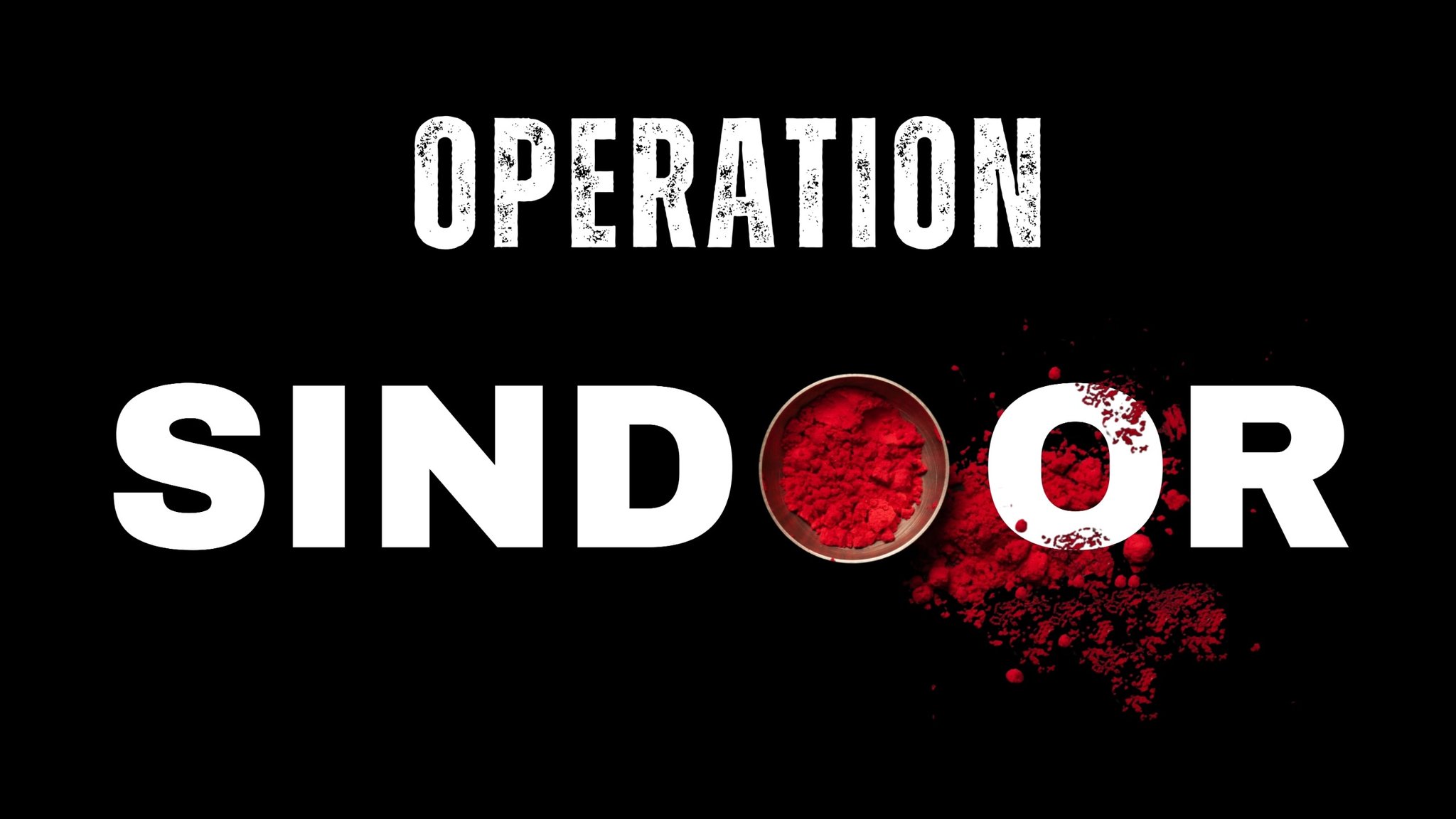
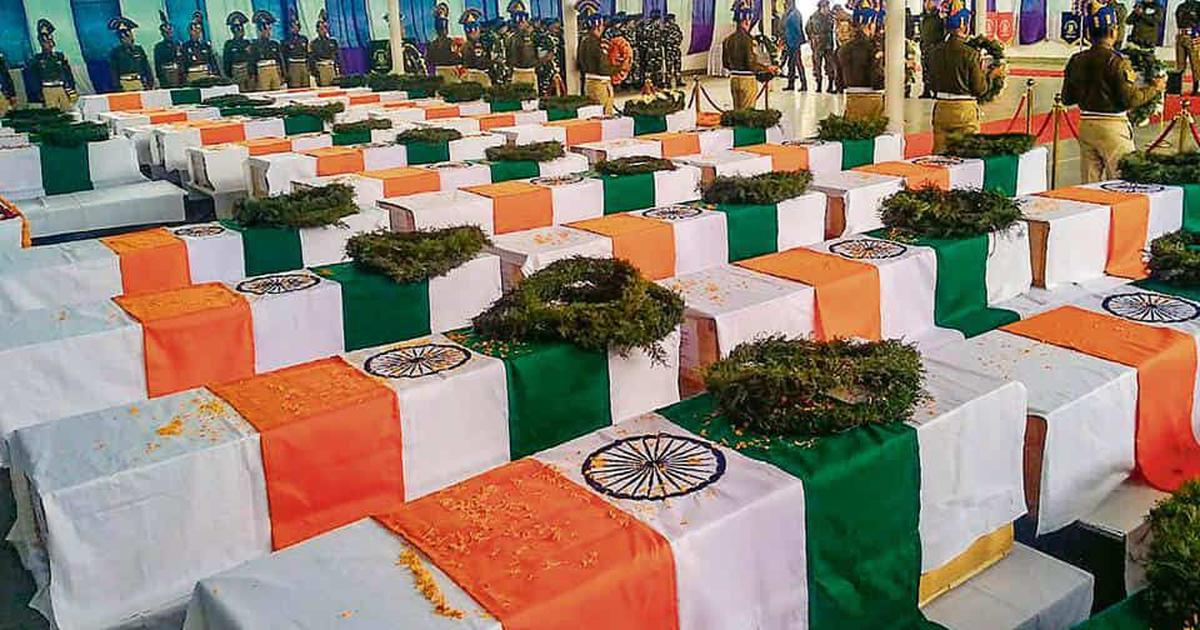
India launched Operation Sindoor on May 7, 2025, following the Pahalgam terrorist attack that killed 26 people. The opening strikes targeted nine terrorist facilities, while subsequent fighting involved attacks on military installations and the interception of Pakistani drones and other aerial threats.
Pakistan’s use of Chinese-origin PL-15 missiles gave the confrontation particular relevance to countries assessing Beijing’s growing air-combat capabilities. A Royal United Services Institute study described the engagements as offering useful but incomplete evidence, while distinguishing Pakistan’s export-version PL-15E from weapons fielded by China’s own forces.
The French missile push also raises questions about the future of Meteor, the beyond-visual-range weapon carried by Indian and French Rafales. Although news reports cite approximately 150km for Meteor and substantially greater distances for certain competing systems, those figures alone do not establish their relative effectiveness against a manoeuvring fighter.
MBDA’s published description of Meteor emphasizes sustained propulsion and its “no-escape zone” rather than providing a definitive maximum-range figure. The manufacturer says its ramjet motor maintains thrust through interception, helping the missile retain the energy needed to pursue a target during the final stage of an engagement.
In practical terms, maximum reach and the ability to defeat an evasive target are different measures of performance. Specialist analysis of Europe’s future missile requirements also highlights the importance of external sensors and network connections, which can allow a weapon to exploit targeting information beyond the launching aircraft’s own radar coverage.
European work on weapons beyond Meteor is already under way: Britain and France announced a joint successor study on April. The 12-month exercise will assess future threats, examine missile concepts and technologies, and establish a development roadmap, although the announcement does not itself amount to an order for an operational replacement.
Tardif also indicated scope for discussions with India on sixth-generation air combat, describing an interconnected system of crewed fighters, drones, satellites and other sensors. He stopped short of announcing a joint programme, leaving the immediate emphasis on learning from combat experience and developing weapons suited to the changing threat.