
Russia batters Ukraine’s power grid as Germany’s Merz warns of wider war threat; Trump-Nato chief talks in focus
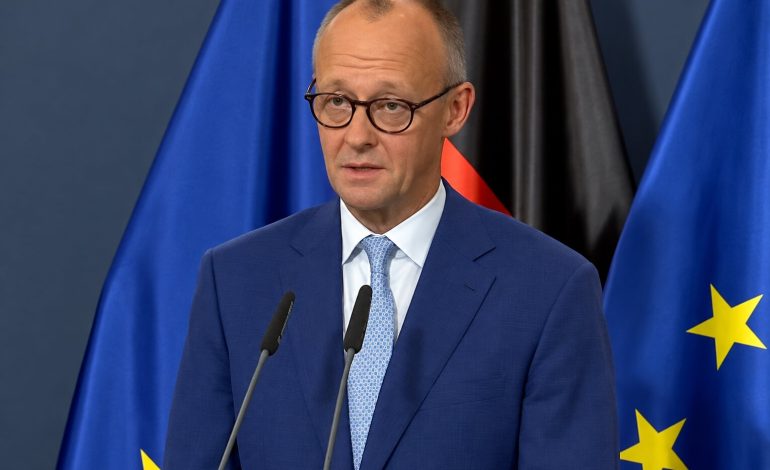
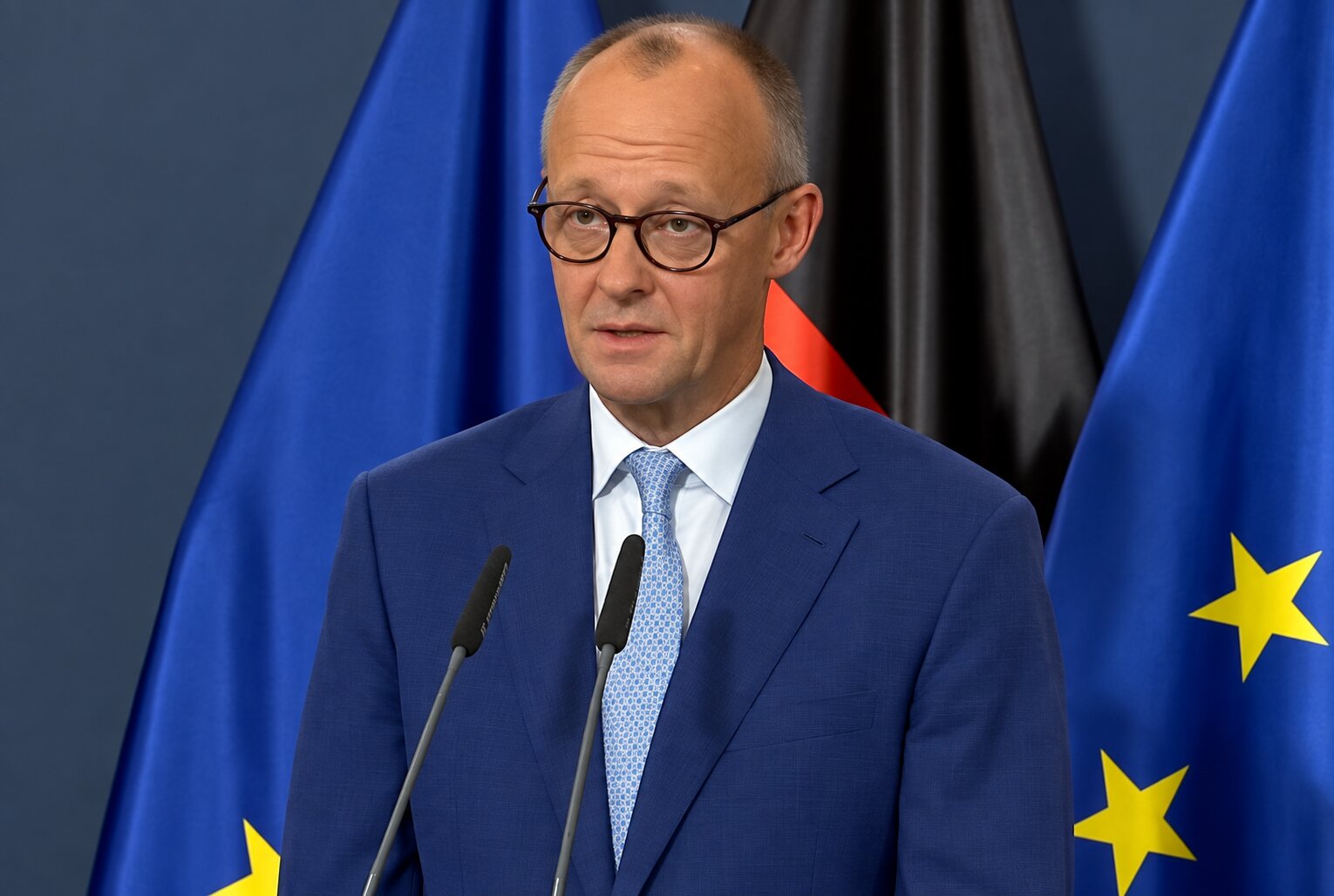
Friedrich Merz.

New Delhi: Germany’s chancellor, Friedrich Merz, warned on Wednesday that Russia’s strategic ambitions extend beyond Ukraine, accusing Moscow of intensifying activities that threaten the security of Europe. His warning came as fresh Russian strikes disrupted electricity supplies across five Ukrainian regions, hours before a crucial meeting between Nato’s secretary general, Mark Rutte, and the US president, Donald Trump, in Florida.
Addressing the Bundestag (the lower house of Germany’s parliament) during a debate on the country’s 2027 budget on Wednesday, Merz made a strong case for higher defence expenditure and continued military assistance to Kyiv. He argued that supporting Ukraine was no longer merely a question of solidarity with a country at war but an essential component of Germany’s own national security.
‘Russia’s ambitions extend beyond Ukraine’
In an unusually sharp assessment of Moscow’s intentions, Merz accused Russia of escalating tensions across the Baltic region, Poland and the Black Sea, besides extending its confrontational activities into outer space. He also alleged that Russian activities were increasingly threatening security within Germany itself.
“Russia wants more than Ukraine,” Merz said, according to Reuters. He maintained that European countries must collectively establish clear limits on Moscow’s actions.
Several European governments have accused Russia of conducting hybrid warfare involving cyberattacks, sabotage and interference with critical infrastructure. In September, Berlin blamed Moscow for an alleged attempted drone attack at Leipzig/Halle airport, although the Russian embassy in Germany rejected the accusation.
Moscow has consistently denied harbouring intentions of attacking Nato countries and maintains that its military campaign in Ukraine stems from its own national security concerns. Russia did not immediately respond to the latest allegations made by Merz.
Russian strikes deepen Ukraine’s winter energy crisis
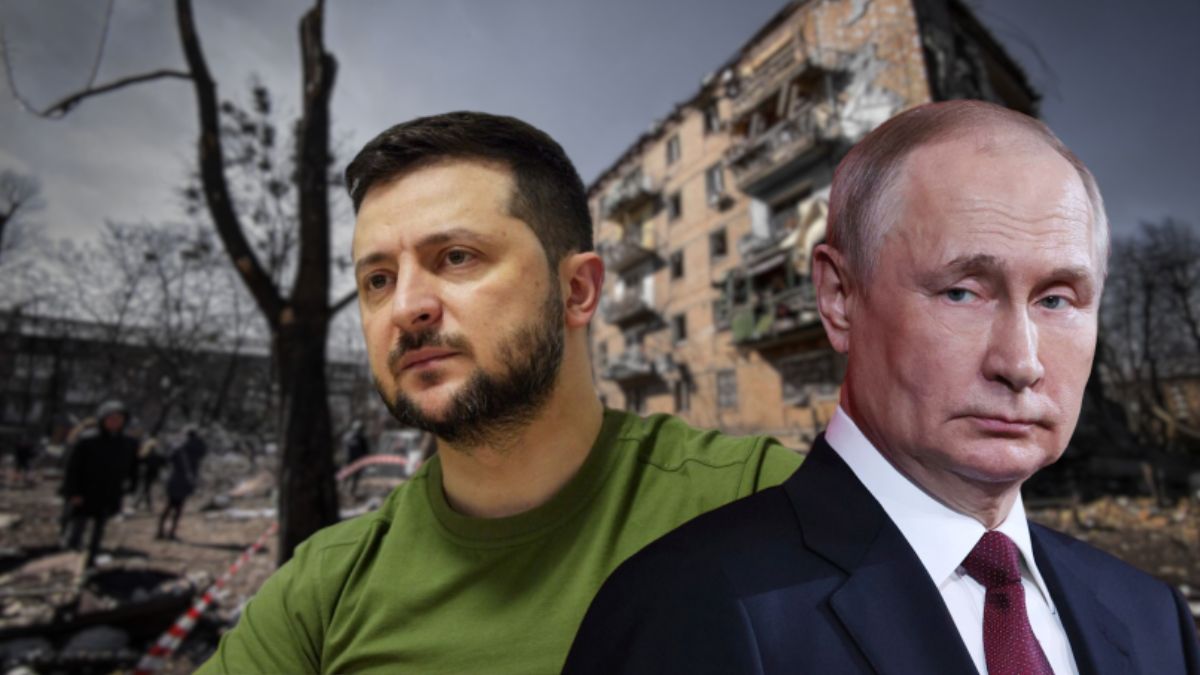
Meanwhile, Ukraine’s deputy energy minister, Artem Nekrasov, said renewed Russian attacks on the country’s energy infrastructure had disrupted electricity supplies in Dnipropetrovsk, Donetsk, Zaporizhzhia, Odesa and Kharkiv. The situation was particularly difficult in Dnipropetrovsk and Zaporizhzhia, according to information released by Ukrainian authorities.
The attacks come at a particularly vulnerable time for Ukraine as temperatures begin falling ahead of another winter under wartime conditions. Repeated damage to electricity infrastructure has complicated restoration efforts, threatening heating, water supplies, industrial production and the functioning of essential public services.
Ukraine has simultaneously intensified its attacks against Russian energy infrastructure, particularly oil-processing facilities that contribute to Moscow’s export earnings and sustain its war economy. On Tuesday, Russia’s president, Vladimir Putin, accused Kyiv of continuing such operations despite Trump’s appeals for restraint and warned of retaliation.
The renewed attacks underline the erosion of the energy ceasefire announced by Trump in mid-October. Although that initiative initially helped reduce Ukrainian strikes against Russian refineries, the frequency of attacks subsequently increased, exposing the fragility of limited diplomatic arrangements in the absence of a broader settlement.
Trump-Rutte meeting assumes greater significance
Against this backdrop, Rutte is scheduled to hold closed-door discussions with Trump at the latter’s Mar-a-Lago estate in Florida on Wednesday. The meeting, confirmed by Nato, comes amid growing European concerns over the availability of American-made air defence weapons for Ukraine.
NATO Media advisory
As RNA Media reported on Tuesday, the Pentagon has yet to authorize the transfer of 60 Patriot interceptor missiles to Ukraine, including missiles held in European arsenals. The delay has raised concerns over Kyiv’s ability to defend its population centres and critical infrastructure against sustained Russian aerial attacks.
The issue highlights a fundamental weakness in Europe’s efforts to assume greater responsibility for Ukraine’s defence. Despite their considerable financial commitments, European countries remain dependent on American military technology, export authorizations and production capacity for several advanced weapons systems.
The meeting could also provide an indication of Washington’s willingness to accommodate European security concerns in its ongoing negotiations with Moscow. Trump’s efforts to secure a comprehensive peace agreement have encountered persistent disagreements over territorial concessions, post-war security guarantees and Europe’s role in the negotiating process.
Germany prepares for long-term military challenges
Berlin’s assessment of the Russian threat is reflected in its ambitious military modernization and expenditure plans. Under Germany’s draft 2027 budget, annual defence spending is projected to exceed €200 billion by 2030, equivalent to approximately 3.7 per cent of its gross domestic product.
However, maintaining support for Ukraine is becoming politically challenging for Merz’s government amid domestic economic pressures. Both the far-right Alternative for Germany (AfD) and the left-wing Die Linke have called for an end to German military assistance to Kyiv, while recent polling indicates declining public support for such aid.
Merz nevertheless expressed cautious optimism over the prospects of a negotiated settlement, citing European unity at last week’s meeting of the coalition of countries supporting Ukraine in Berlin. His government is also pressing for greater emphasis on security and economic competitiveness in the European Union’s next long-term budget.
As Russia’s full-scale invasion approaches its fifth anniversary, Europe faces the challenge of simultaneously sustaining Ukraine’s war effort, strengthening its own military capabilities and supporting Washington’s diplomatic initiatives. The immediate test, however, will be whether the western allies can translate their political commitments into sufficient military assistance to help Ukraine withstand another winter of war.