

Gaza children face insulin crisis as Israeli strikes kill Hamas official and six others
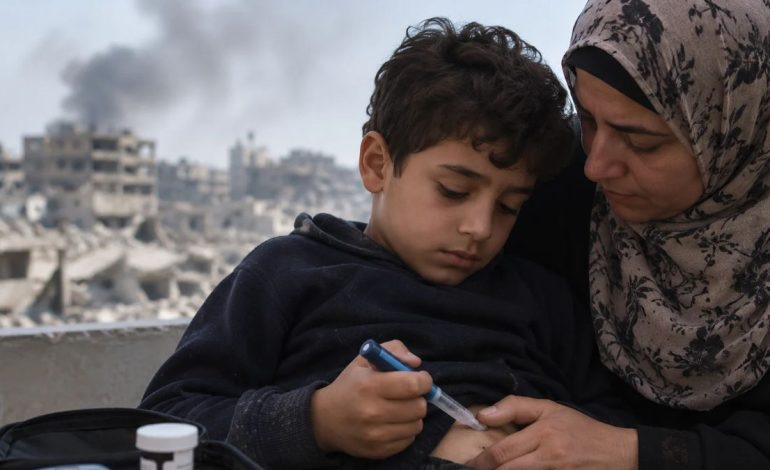
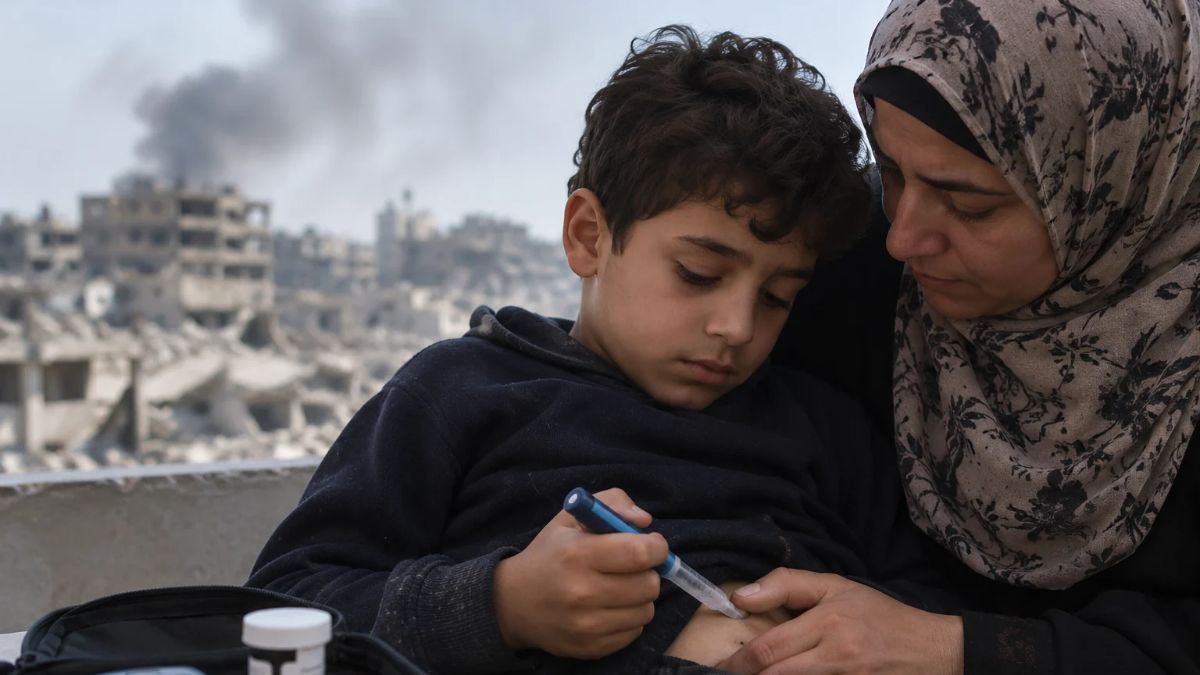
RNA Media illustration for representation.

New Delhi: Children with type 1 diabetes in Gaza are struggling to obtain life-saving insulin and blood glucose testing supplies, with soaring prices and medical shortages forcing families into increasingly desperate circumstances. The humanitarian emergency continues alongside fresh Israeli airstrikes that killed at least seven Palestinians on Tuesday, including a senior Hamas security official, despite an existing ceasefire.
An Al Jazeera’s Sunday report highlighted the case of 9-year-old Amir, who is admitted to intensive care in Gaza city after suffering severe abdominal pain and repeated vomiting amid difficulties managing his type 1 diabetes. His mother, Nahawand, says shortages of insulin and blood glucose testing strips have made his daily treatment increasingly difficult and expensive.
Amir was diagnosed with type 1 diabetes at just one year old, requiring regular monitoring of his blood sugar. Nahawand said insulin brought from Khan Younis had expired, while a pen that previously cost 25–30 shekels now sells for 50–80 shekels. “I cannot afford to buy it,” she said, adding that a box of 50 testing strips costs 150–200 shekels.
The strips allow families to monitor blood sugar and determine insulin requirements, making their scarcity particularly dangerous. Disrupted electricity supplies, limited household income and difficulties refrigerating medication further complicate treatment for children who require regular monitoring and injections.
A 15-year-old Janna, diagnosed with type 1 diabetes at eight, has lost seven kilograms over four months while living with her displaced family in a school in Jabalia. “She has become afraid to eat,” her mother, Alaa Ghaban, told Al Jazeera, explaining that Janna requires two types of insulin and fears eating without sufficient medication. The teenager spent eight days in hospital suffering from dehydration and malnutrition, while her mother recalled once returning home during Israeli bombardment to retrieve life-saving insulin.
The Haifa association for children with diabetes, representing approximately 800 children in Gaza, has reported families relying on expired medication amid shortages of monitoring equipment. Its executive director, Awni Shweikh, told Al Jazeera: “Insulin is not a luxury. It is a life-saving treatment.”
The International Diabetes Federation warned in August that restrictions on medical supplies, disrupted refrigeration and delays in humanitarian deliveries threatened diabetes care across Palestine. It estimated that approximately 3,700 children and adolescents in Palestine live with type 1 diabetes, requiring uninterrupted access to treatment.
Israeli strikes kill seven in Gaza
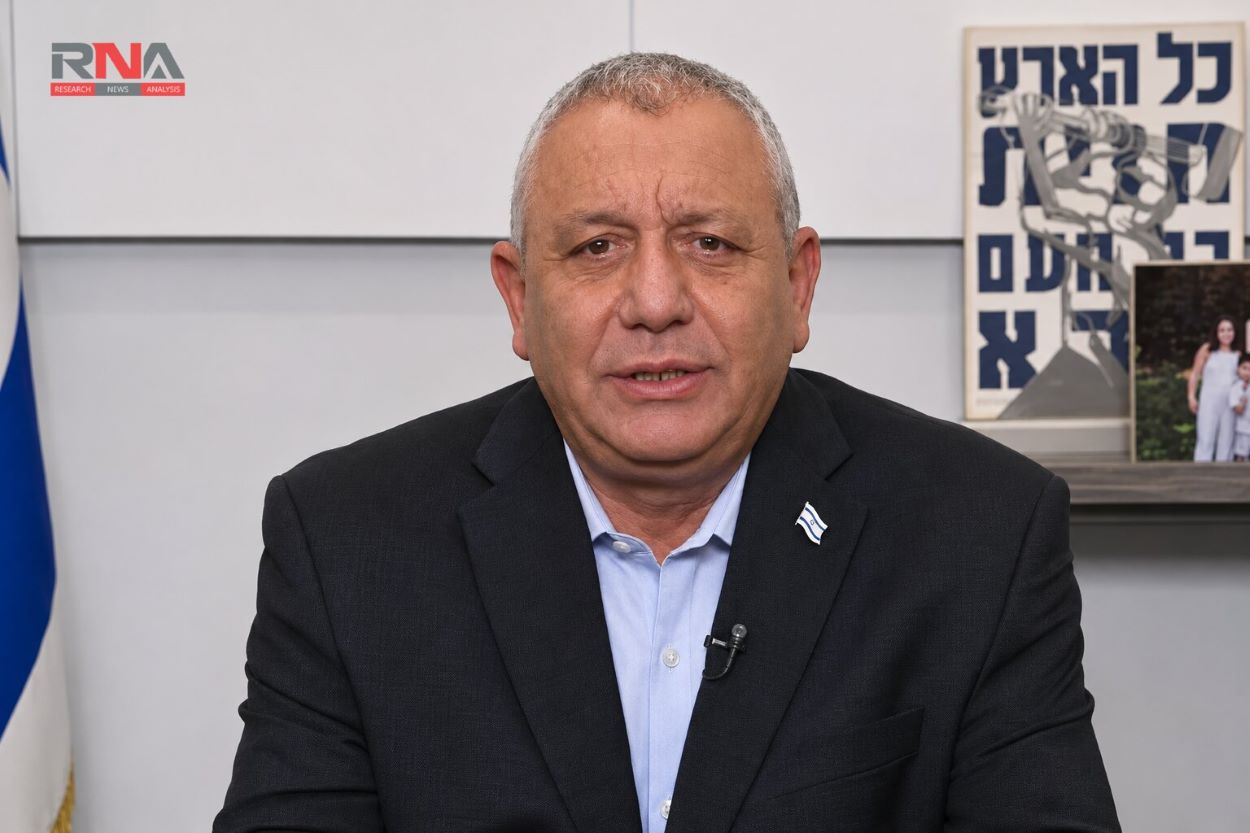
Meanwhile, on Tuesday, Israeli airstrikes killed at least seven people in Gaza, including Naeem Abu Nahel, director of Hamas’ internal security apparatus, according to Palestinian officials and medics. Hamas sources told Reuters that Abu Nahel was killed in western Gaza City.
The Israeli military and Shin Bet domestic security service initially confirmed striking a senior Hamas member without identifying him. The Israeli prime minister, Benjamin Netanyahu, subsequently named Abu Nahel, whose organization gathers intelligence and investigates suspected cooperation with Israeli security agencies.
Three people, including a 17-year-old, were killed in another strike near Gaza City, according to Gaza civil defence, while Reuters located the attack near the Netzarim corridor. Separately, a strike on a police post near Khan Younis killed three people and wounded five others, with Gaza police identifying two of the dead as officers aged 23 and 33.
The Israeli military told Reuters that it had targeted militants in the areas of the two other strikes. The identities and circumstances of all those killed have not been independently established.
Ceasefire remains under strain
A US-backed ceasefire introduced in October 2025 halted major fighting but has not ended Israeli military operations in Gaza. Israel accuses Hamas of regrouping and rearming, allegations the group denies while accusing Israel of repeatedly violating the agreement.
At least 1,600 Palestinians and five Israeli soldiers have been killed since the ceasefire began, according to respective Palestinian and Israeli figures cited by Reuters. Israeli forces control approximately two-thirds of Gaza, where continuing violence and severe medical shortages present distinct but overlapping threats to civilian lives.