


Russia warns Ukraine of ‘dangerous trend’ after attacks on vessels in Libya and Baltic Sea

The Kremlin spokesman, Dmitry Peskov. (Image courtesy: Wikimedia Commons)

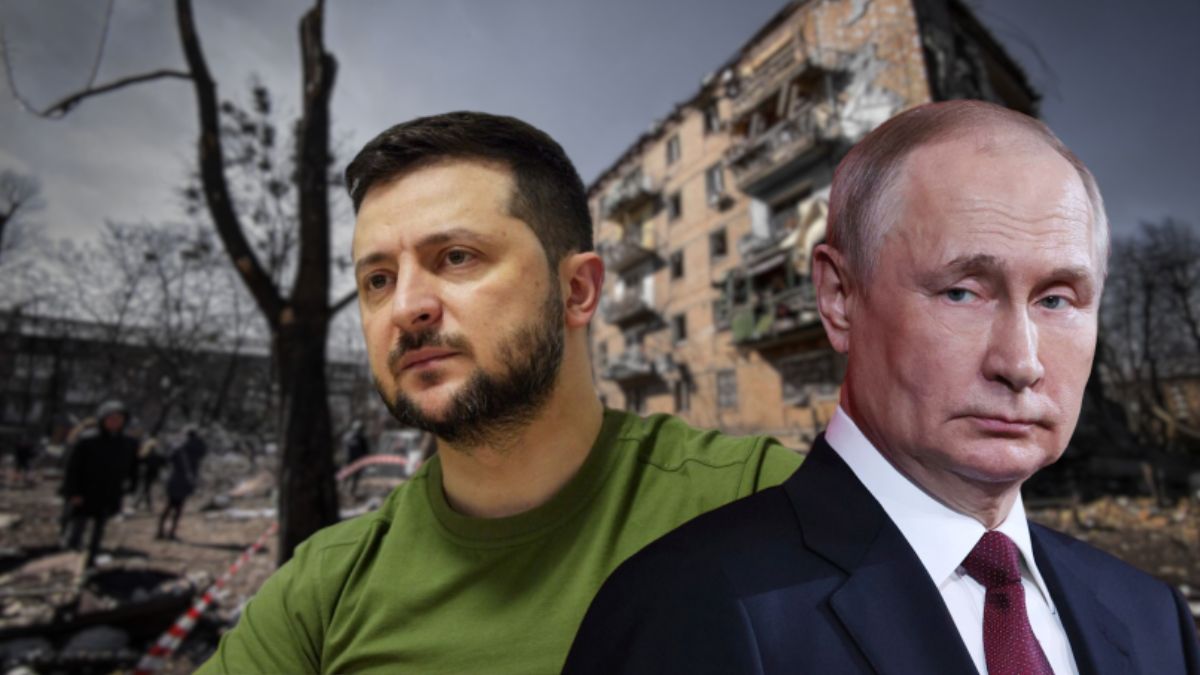
New Delhi: The Kremlin spokesman, Dmitry Peskov, on Monday, warned that a drone attack on a Russian cargo ship in the Baltic Sea reflected a “very dangerous trend,” after Ukraine claimed strikes on Russian vessels in Libya. He said Moscow would continue attacks on Ukrainian military infrastructure, which he maintained were having “very painful consequences for the Kyiv regime.”
Peskov said Russia’s defence ministry was handling Ukraine’s claim that it had sunk the corvette Merkury at Benghazi and would publish details if considered appropriate. He also urged Baltic states to use their influence to discourage what Moscow described as Ukrainian “terrorist practices,” amid concerns about attacks near their waters.
Ukraine claims Benghazi strikes
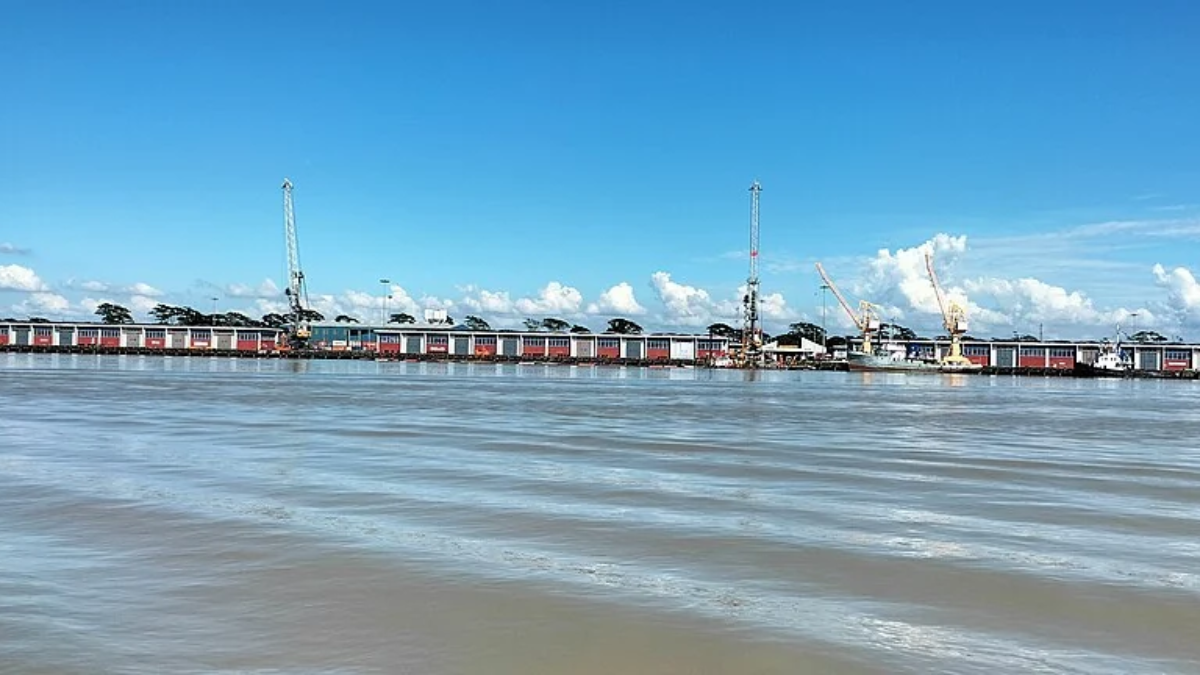
The Ukrainian president, Volodymyr Zelenskyy, said his forces sank Merkury at the Libyan port on Sunday and damaged another Russian vessel. Ukraine’s security service subsequently said seven Ukrainian made naval drones had been deployed and identified the second target as MV Angara, which it alleged transported Russian military equipment.
Earlier accounts identified a vessel named Ascalon in an incident off Benghazi, leaving some uncertainty over whether the different reports concerned the same cargo ship. RNA Media had earlier reported on Merkury’s sinking and a separate attack on another vessel off the Libyan coast.
Libya’s eastern based administration, which rivals the internationally recognized government in Tripoli, condemned the strikes and lodged a complaint with the United Nations over an alleged violation of Libyan sovereignty. It also sought an international investigation into allegations that Ukrainian military personnel were operating in western Libya, claims that have not been independently established.
Sparta II attack raises Baltic concerns
The Kaliningrad bound Russian cargo vessel Sparta II caught fire after a drone strike in international waters in the Gulf of Finland on November 21. Finnish military authorities assessed that Ukraine was probably responsible, but Kyiv had not publicly claimed responsibility for the attack.
The damaged ship subsequently drifted into Finnish waters, prompting firefighting and recovery operations involving neighbouring countries. All 16 crew members evacuated to a nearby Russian vessel, while one sustained minor injuries, according to Finnish authorities.
Kaliningrad, Russia’s Baltic exclave between Lithuania and Poland, has become increasingly dependent on maritime transport since Lithuania restricted the transit of sanctioned goods under European Union measures in 2022. Sea transport now accounts for more than half of the exclave’s supplies, compared with just 8 per cent in 2021, according to Reuters.
The Russian prime minister, Mikhail Mishustin, announced an allocation of 47 billion roubles, approximately $576 million, for two rail ferries connecting Ust-Luga with Baltiysk from 2030. The announcement was not directly linked to the Sparta II strike but highlights the importance of reliable maritime supply routes to Kaliningrad. Mishustin said Russia’s national reserve fund would finance most of the expenditure, underscoring the importance Moscow attaches to maintaining supply links with the exclave.
The incidents expose vulnerabilities in Russian naval and commercial shipping far beyond the Black Sea, raising security concerns near Nato member states. While Ukraine has acknowledged its operation in Libya, its involvement in the Baltic attack remains an assessment by Finnish authorities rather than a publicly confirmed Ukrainian claim.