
Rubio says US economic pressure on Iran reduces need for major military operations
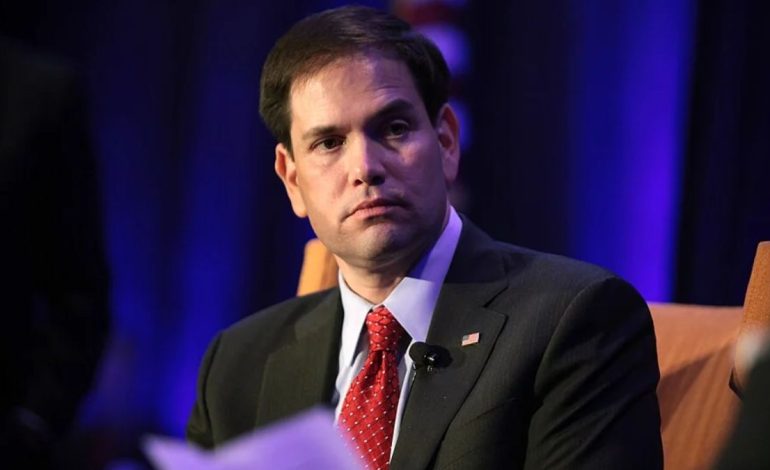
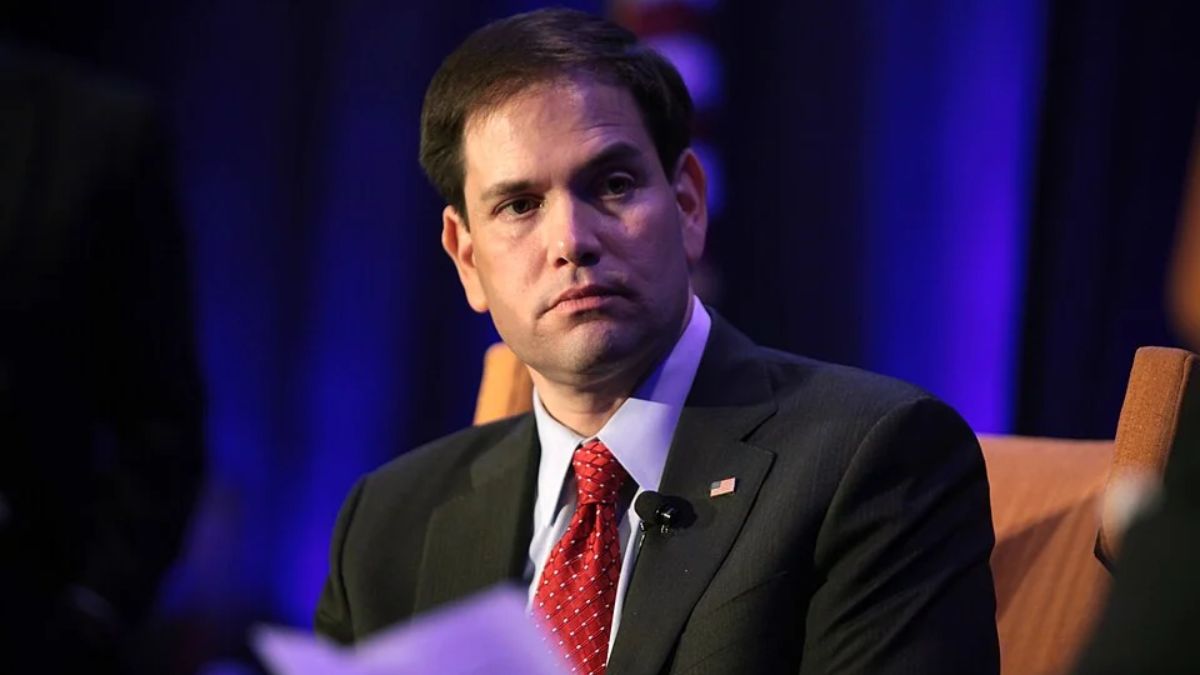
The US secretary of state, Marco Rubio. ( Image courtesy: Wikimedia Commons)

New Delhi: The US secretary of state, Marco Rubio, said on Tuesday that sanctions and a naval blockade were putting enough economic pressure on Iran to make renewed major combat operations unnecessary for now. Speaking after two days of Group of Seven (G7) foreign ministers’ meetings in Paris, he said Washington could pursue its objectives without returning to large-scale strikes.
Rubio said economic pressure was inflicting mounting costs on Iran and that regional allies shared Washington’s assessment. “We don’t need to conduct military strikes if we’re achieving the same objective through economic means and economic pressure,” he said, arguing that the restrictions on Iranian energy sales were unprecedented.
US favours economic pressure over major strikes
Sanctions restrict Iran’s access to trade, financial services and oil revenue, while the naval blockade separately targets vessels entering or leaving Iranian ports. Rubio’s assessment remains the US government’s position rather than independent evidence that Tehran has accepted Washington’s demands.
The economic campaign would continue imposing heavy costs on Tehran, Rubio told G7 counterparts. Four diplomats told Reuters he argued that the pressure was constraining funding for Iran’s regional allies, although no joint G7 endorsement of the American blockade was announced.
Qatar pushes diplomatic solution
Rubio’s comments followed the president, Donald Trump’s, meeting with the Qatari prime minister, Sheikh Mohammed bin Abdulrahman Al Thani, on Monday. Trump said he would hold off on new strikes following appeals from regional governments but maintain the naval blockade, leaving military options available.
The Qatari leader subsequently visited the G7 gathering in Paris and expressed cautious optimism about diplomacy, Reuters reported. Rubio said Washington remained open to a “real deal” but dismissed Iran’s negotiating conditions as “absurd”; Tehran has demanded sanctions relief and an end to the blockade before resuming formal negotiations.
Military pressure continues
The pause in major strikes has not ended US military activity. US Central Command said its forces had redirected 147 commercial vessels and disabled five that resisted blockade enforcement since July, including the St Kitts-flagged MV Huda in the Gulf of Oman on November 7.
The Iran war has also become a domestic political liability following Republican defeats in the November midterm elections. Trump acknowledged that the conflict contributed to the losses, while vice-president, JD Vance, was more direct, declaring: “The reason we lost is the war.”
Brent crude fell to $89.65 a barrel on Tuesday afternoon as expectations of fresh US strikes eased, Reuters reported. Shipping risks around the Strait of Hormuz persist, however, and neither side has announced an agreement ending the conflict.