
Iran says missile-range cap is lifted, signalling shift in military doctrine
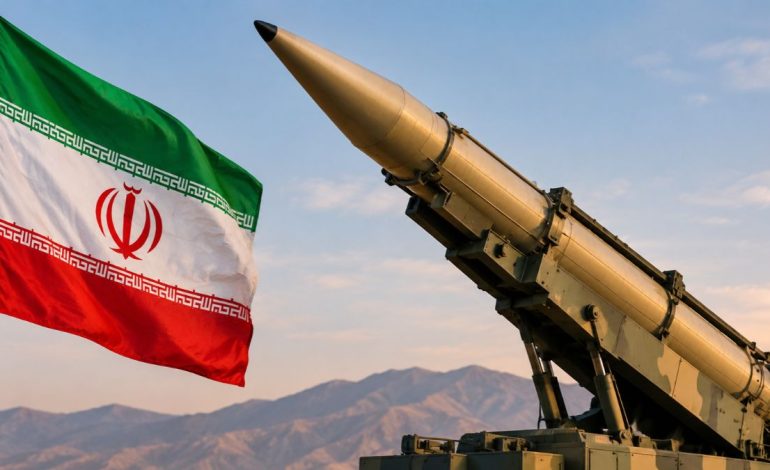
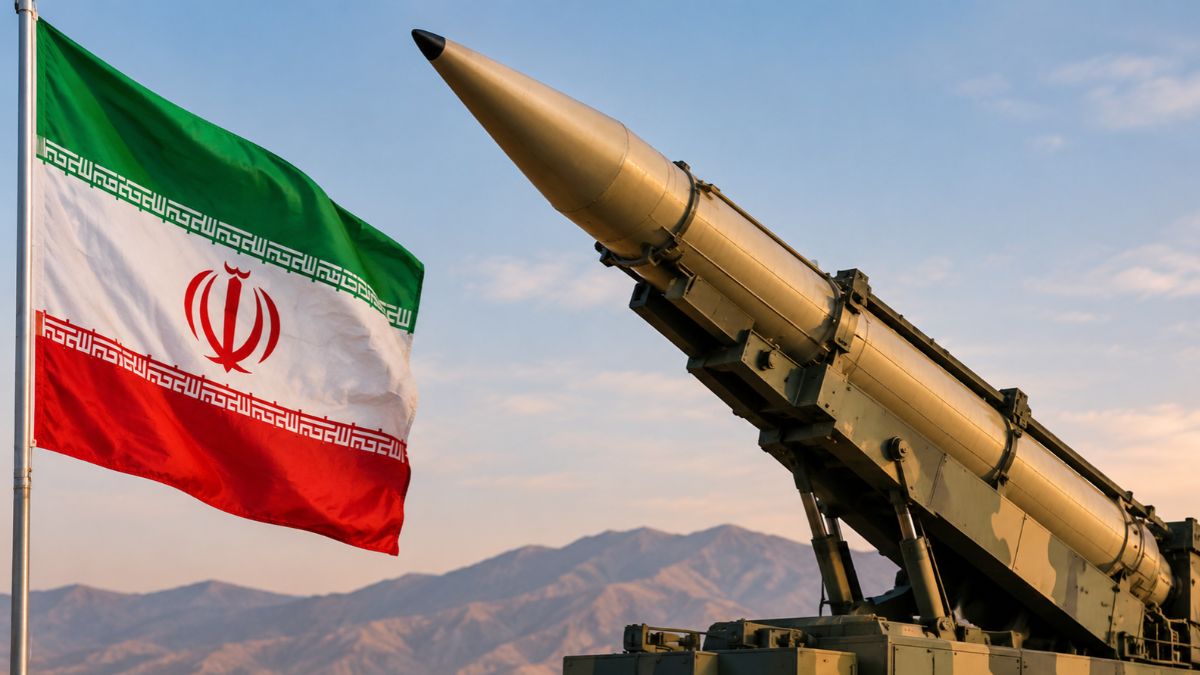
RNA Media illustration for representation.

New Delhi: The Iran’s Islamic Revolutionary Guard Corps (IRGC) has announced that its self-imposed 2,000 kilometre limit on ballistic missile ranges is no longer in force, signalling a potential shift in Tehran’s military doctrine. The announcement comes amid escalating tensions with the United States and Israel, although removing the restriction does not establish that Iran possesses operational missiles capable of exceeding that range.
IRGC spokesman, General Hossein Mohebbi, confirmed the change during a news conference in Tehran on Saturday. Asked whether the restriction remained in force, Mohebbi said, “That restriction has been lifted for us,” the Associated Press reported.
Iran’s previous supreme leader, Ali Khamenei, had imposed the voluntary restriction, publicly acknowledged by Revolutionary Guard commander, Mohammad Ali Jafari in October 2017. The limit allowed Iran to maintain missiles capable of reaching Israel and US military installations across West Asia without formally pursuing greater ranges.
Iran’s longer-range ballistic missiles include the Sejjil and Khorramshahr, with commonly cited ranges around 2,000 kilometres.
However, the center for strategic and international studies (CSIS) notes that a modified Khorramshahr configuration could potentially reach 3,000 kilometres, although such a capability has not been established as operational.
US officials have warned that technologies developed through Iran’s space programme could support intercontinental ballistic missile development. However, space-launch capabilities do not automatically translate into operational ICBMs, which require specialized guidance, re-entry systems and other technologies.
US pressure and regional tensions
The announcement followed a warning from Iran’s supreme leader, Mojtaba Khamenei, that any threat from the US or Israel would face retaliation without geographical limits. The remarks reflect Tehran’s increasingly assertive military messaging, although they do not establish any new missile capability.
Meanwhile, Washington has expanded its military and economic pressure on Tehran.
The US central command announced a task force iron gate to restrict Iranian weapons shipments and sensitive technologies moving through land routes and the Caspian Sea.
The initiative complements Washington’s naval blockade and its efforts to disrupt Iran’s land-based weapons supply routes, as previously reported by RNA Media.
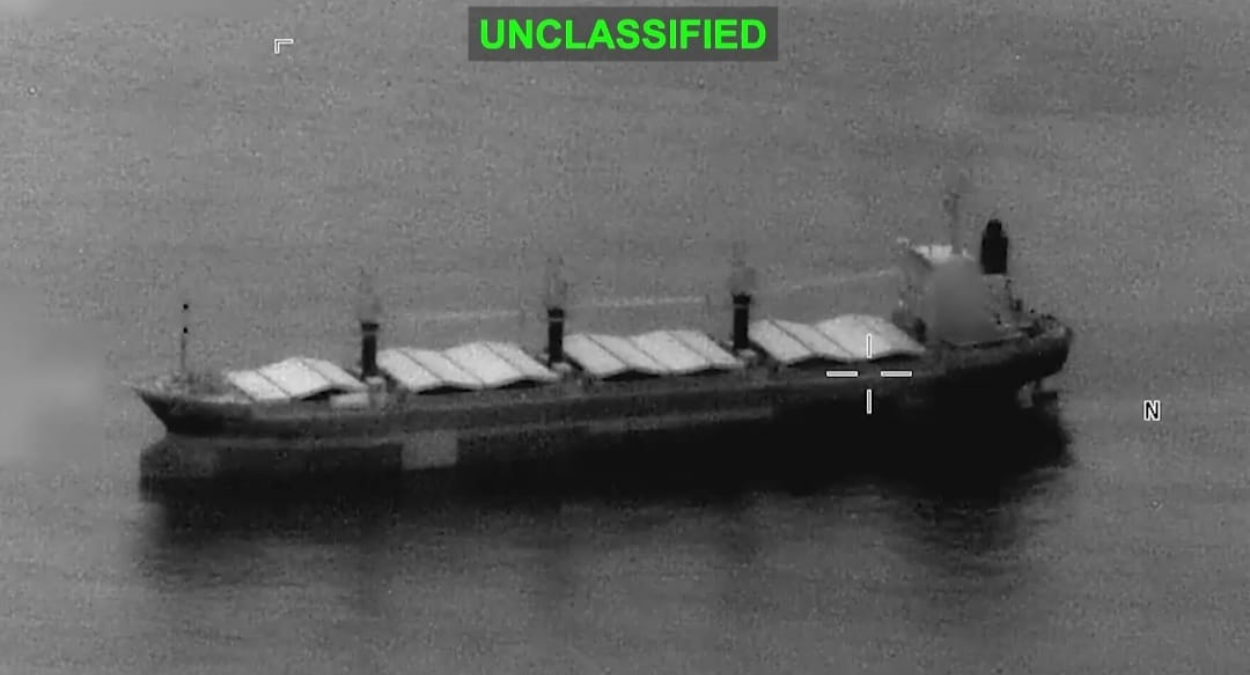
US forces have enforced a naval blockade around Iranian ports and the Strait of Hormuz for months. The blockade had redirected 144 commercial vessels by the end of October, US central command said. The military also reported disabling a St Kitts and Nevis-flagged vessel after it allegedly ignored warnings and attempted to leave the region following a visit to an Iranian port.
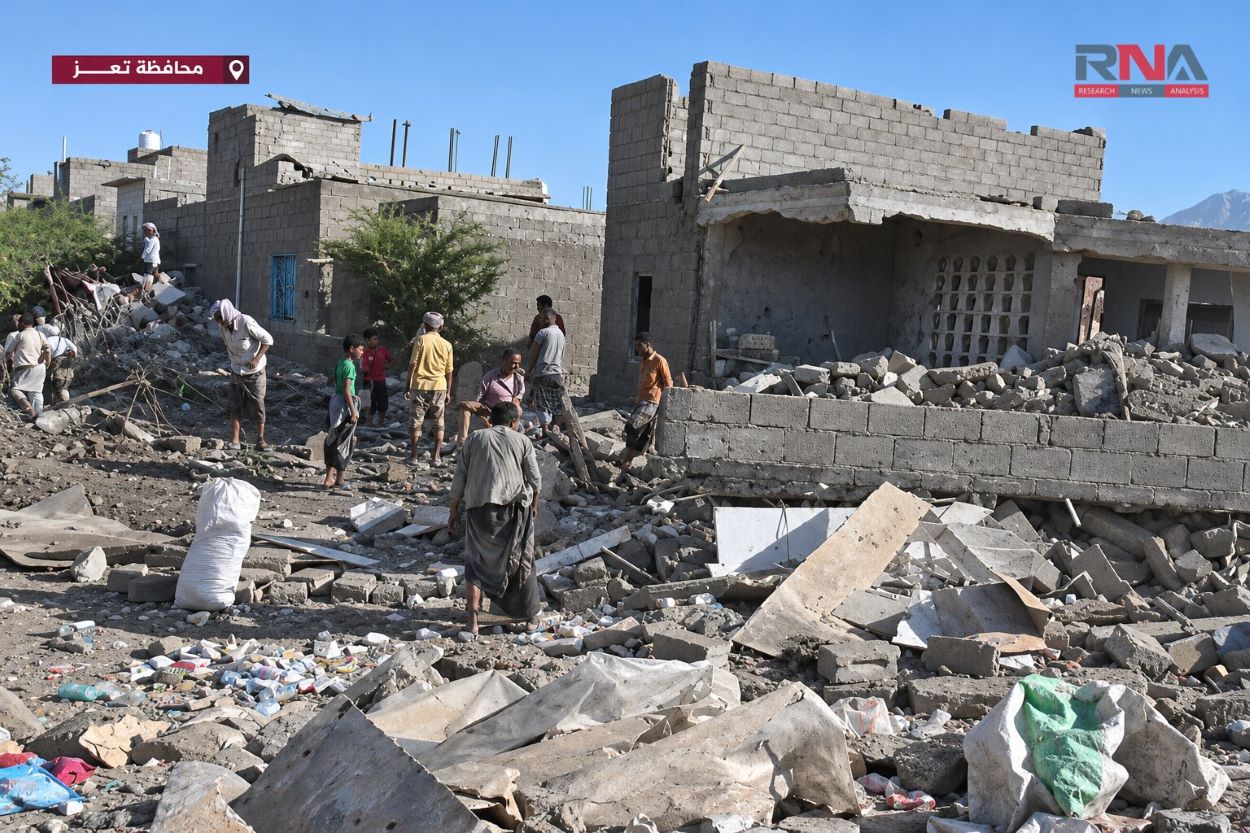
Iran’s military also claimed on Saturday that two tankers had struck mines and caught fire near the Strait of Hormuz, although the incidents remain independently unverified. Meanwhile, airstrikes near Yemen’s capital reportedly killed at least 27 people, a spokesman for the Houthi-run health ministry said, highlighting the widening regional hostilities.
Iran’s announcement could expand its future military options, but the practical implications remain uncertain.
The IRGC has announced no new longer-range missile programme or deployment schedule, leaving open whether Tehran intends to translate its revised policy into demonstrable military capabilities.