
Israel’s Arab parties offer to back opposition to keep Netanyahu coalition out of power
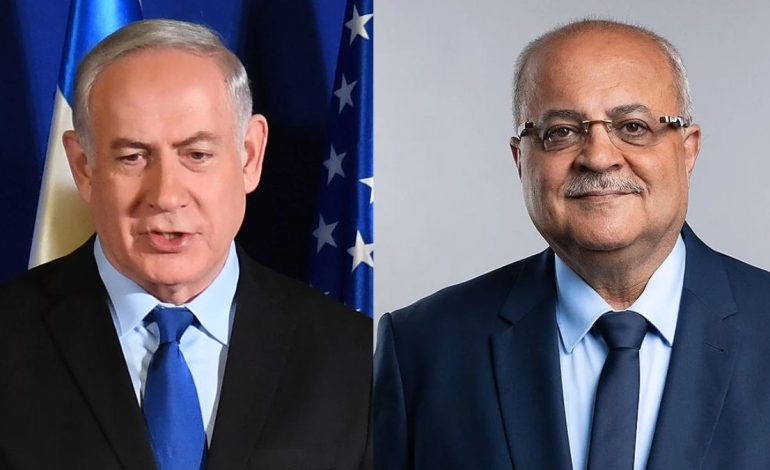
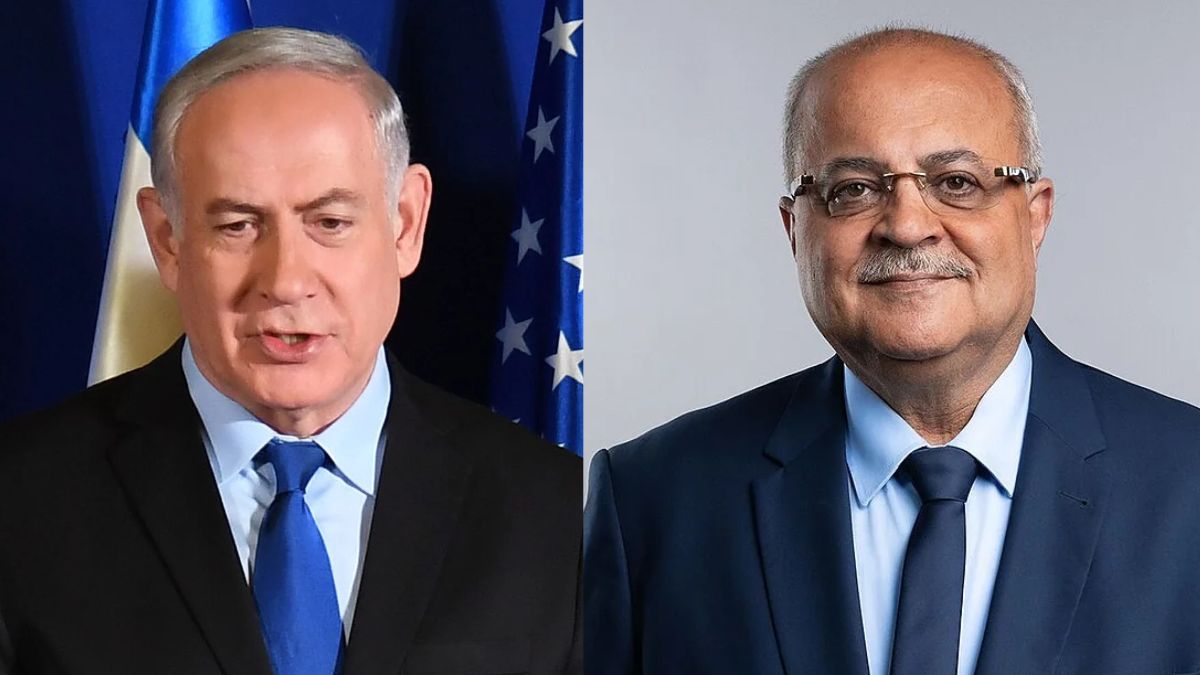
Benjamin Netanyahu (L) and Ahmed Tibi (R). (Image courtesy: Wikimedia Commons)

New Delhi: Veteran Israeli Arab lawmaker, Ahmad Tibi, has indicated that the Joint List is prepared to support an opposition-led government to remove the prime minister, Benjamin Netanyahu, potentially breaking with decades of political practice. His offer comes after the October 27 parliamentary election left neither major political bloc with a majority, giving Arab-led parties considerable influence over Israel’s next government.
The Joint List is willing to cooperate with Jewish-led opposition parties without formally joining their coalition, Tibi told told AP.
“We want to do things that we did not do in the past in order to remove this criminal government,” he said.
The proposed arrangement could involve parliamentary backing or abstentions, allowing an opposition government to take office without the Joint List becoming part of the administration. No agreement has been reached with opposition leader Gadi Eisenkot.
The certified election results gave Netanyahu’s coalition 53 seats in the 120-member Knesset, against 48 for Eisenkot’s Jewish-led opposition bloc, RNA Media reported on Wednesday. The Joint List won 11 seats and the separate Arab-led Ra’am party eight, giving them a combined 19 lawmakers.
Although 61 seats constitute a parliamentary majority, a minority government could potentially survive an initial confidence vote if sufficient lawmakers abstain.
Ra’am previously joined an Israeli governing coalition in 2021 and remains open to doing so again. The Joint List instead favours external support, reflecting fundamental disagreements with Jewish-led parties over Israel’s political identity and the Palestinian question.
Eisenkot has insisted that cooperation with Arab-led parties would require them to recognise Hamas as a terrorist organization that must be destroyed. Tibi argues that such conditions should not apply to parties offering outside parliamentary support.
Both Arab-led groups have condemned the October 7, 2023, Hamas-led attack and violence against civilians. However, they have refused to endorse Hamas’s destruction, arguing that the demand could justify Israel’s military campaign in Gaza.
The Joint List advocates equal citizenship rights and Palestinian statehood in the West Bank, Gaza and East Jerusalem. Tibi described the proposed alternative administration as a “repair government” that could address domestic problems affecting Palestinian citizens of Israel, particularly violent crime. He acknowledged that replacing Netanyahu would not necessarily end Israel’s wars or establish a Palestinian state.
Netanyahu campaigned on the slogan “Bibi or Tibi?” during the 2019 election, warning against opposition governments dependent on Arab lawmakers. Tibi said the latest results had reversed that message: “Now, it’s ‘Tibi,’ because Arab voters went in a very massive way to take part in the elections.”
Meanwhile, the president, Isaac Herzog, announced on Thursday that 67 lawmakers had recommended Eisenkot to form the next government, compared with 46 supporting Netanyahu.
United Torah Judaism, a longstanding Netanyahu ally holding seven seats, declined to recommend either candidate. The decision left Netanyahu with 46 parliamentary endorsements despite his coalition winning 53 seats in the October 27 election, Reuters reported.
Herzog said he would nominate a candidate on Sunday, November 8, acknowledging that competing political vetoes made government formation uncertain.
The nominee will have 28 days to form a government, with a possible 14-day extension.
Despite receiving majority recommendations, Eisenkot faces opposition divisions over cooperation with Arab-led parties. Thousands of Israelis had earlier demonstrated in favour of Jewish-Arab political cooperation, RNA Media reported on November 1. Netanyahu remains caretaker prime minister, while failure to reach an agreement could eventually trigger another election