

India successfully tests Pralay quasi-ballistic missile, clears way for induction into armed forces
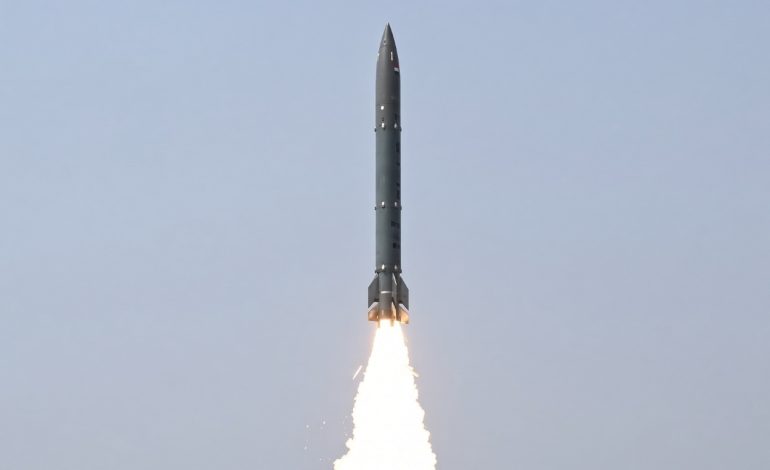
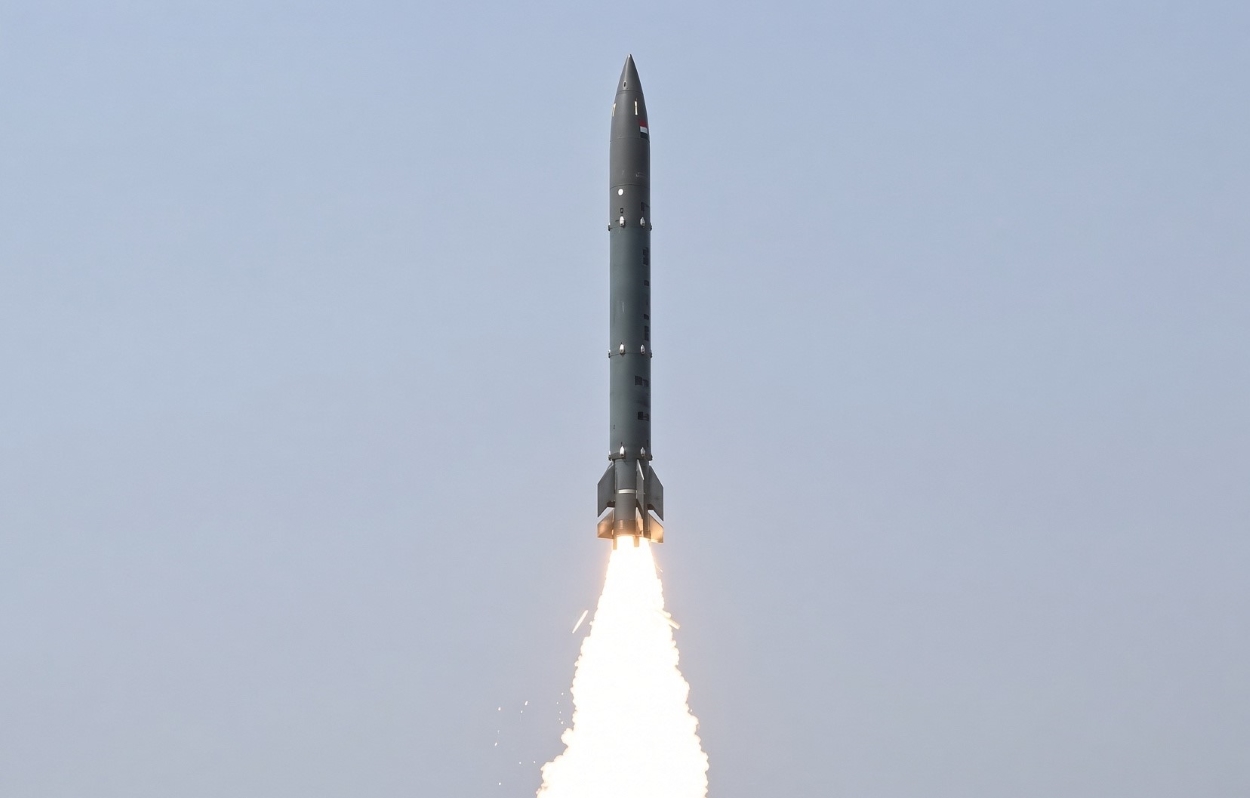
The Pralay missile after it was test-fired at ITR Chandipur. (Photo: DRDO)

New Delhi: India has successfully flight-tested its indigenously developed Pralay quasi-ballistic missile off the Odisha coast, marking a major step towards its induction into the armed forces and strengthening the country’s conventional precision-strike capabilities. The test, conducted by the Defence Research and Development Organisation Thursday, met all its prescribed objectives, with the defence ministry indicating that the missile system is now approaching operational deployment.
The missile was launched at approximately 11.10am from Dr APJ Abdul Kalam Island, a strategic missile-testing facility off the Odisha coast, as part of user evaluation trials involving representatives of the armed forces. According to an official statement issued by the defence ministry, data collected by multiple tracking and monitoring instruments deployed at the Integrated Test Range (ITR), Chandipur, confirmed that all the test parameters had been successfully achieved.
The latest trial assumes particular significance because it moves Pralay closer to induction after several years of development, testing and validation. The defence ministry said the successful demonstration had made the system’s induction imminent, although it did not announce a formal induction date or specify the number of missiles expected to enter service.
The missile has been developed indigenously by the Research Centre Imarat (RCI), Hyderabad, in collaboration with other DRDO laboratories, with the public-sector defence manufacturer Bharat Dynamics Limited (BDL) serving as one of its development-cum-production partners. Senior DRDO officials, representatives of the defence industry and personnel from the armed forces witnessed the latest trial, underscoring the transition from developmental testing towards user acceptance.
The defence minister, Rajnath Singh, congratulated the DRDO, the armed forces and industry partners on the successful launch, saying the advanced technologies incorporated into the missile would strengthen India’s military preparedness against emerging threats. The defence secretary, Rajesh Kumar Singh, who also serves as secretary of the department of defence research and development and chairman of the DRDO, congratulated the teams associated with the programme.
Pralay’s capabilities and battlefield significance
Pralay is a short-range, surface-to-surface missile designed primarily for conventional strikes against high-value military targets, including command centres, airbases, ammunition depots, logistical installations and other strategically important infrastructure. With a reported operational range of approximately 150–500 kilometres, the weapon is intended to give Indian forces the ability to engage targets well beyond the reach of conventional artillery and most battlefield rocket systems.
Unlike traditional ballistic missiles, which largely follow a predictable trajectory after their powered flight, Pralay is designed to follow a quasi-ballistic flight path that allows manoeuvring during its descent towards a target. Such manoeuvrability can complicate interception by enemy air-defence and ballistic missile-defence systems, although the extent of its effectiveness against specific interceptors has not been publicly established.
The missile uses a solid-propellant propulsion system, eliminating the need for the lengthy fuelling procedures associated with liquid-propellant weapons and making it more suitable for rapid military deployment. Its sophisticated guidance and navigation systems are designed to provide high accuracy, an essential requirement when engaging military installations with conventional rather than nuclear warheads.
Another important characteristic of Pralay is its ability to accommodate different warhead configurations depending on the intended target. The DRDO has previously confirmed that the missile can carry multiple types of warheads, providing flexibility against different categories of military infrastructure and battlefield objectives.
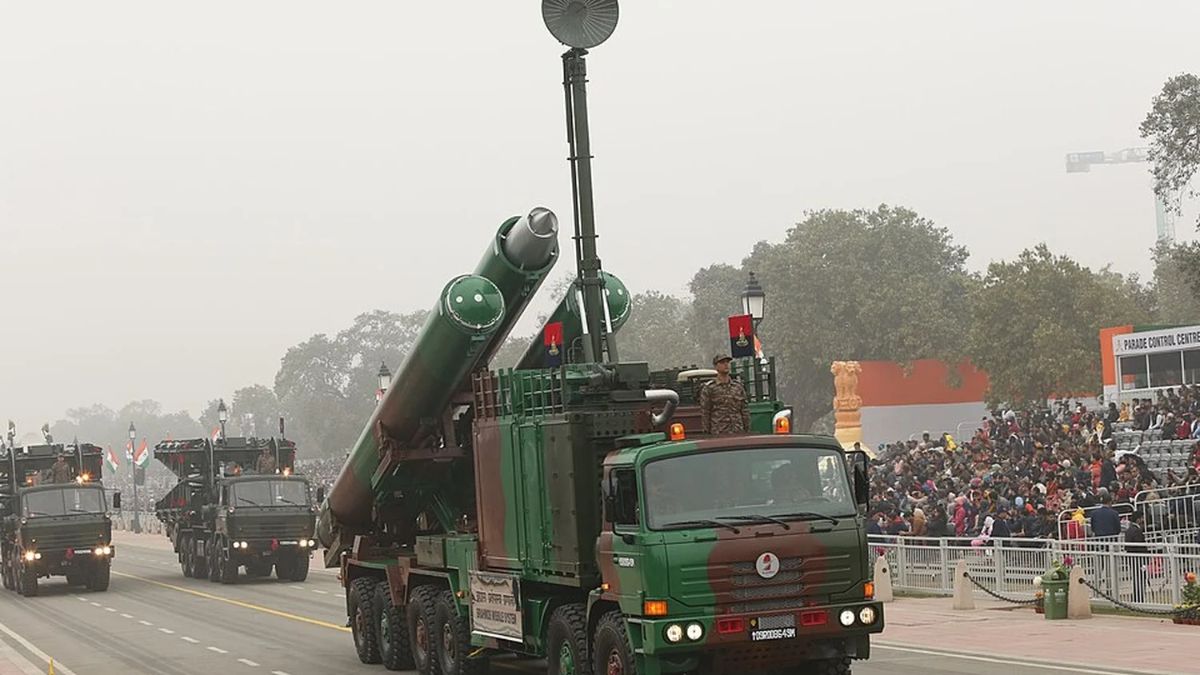
Pralay is also associated with road-mobile launch platforms, an operational feature that can improve survivability by allowing launch units to change positions rather than remain at fixed installations. Mobility, combined with a relatively short preparation time, would be particularly valuable in a high-intensity conflict in which missile launchers themselves could become priority targets.
Years of testing before operational deployment
The Thursday launch follows a series of successful trials dating back to December 2021, when the DRDO conducted the missile’s first two flight tests on consecutive days. During the second test on December 23, 2021, the missile was evaluated with a heavier payload and at a different range, allowing engineers to verify its performance under varying mission conditions.
Further trials followed as the development programme progressed, including a successful test in November 2023 that demonstrated the missile’s flight characteristics and targeting performance. These exercises helped establish the reliability of the propulsion, guidance, control and navigation systems before the weapon entered more extensive user evaluation.
A particularly important milestone came on July 28 and 29, 2025, when the DRDO conducted two consecutive flight tests from Dr APJ Abdul Kalam Island to validate the missile’s minimum and maximum range capabilities. Both missiles followed their planned trajectories and struck their designated targets with high precision, according to the defence ministry, which said the performance of the onboard subsystems had been verified through tracking data collected by the ITR and instruments aboard a ship near the impact area.
The July 2025 tests were conducted as part of the user evaluation process, marking an important transition from proving the missile’s basic design to demonstrating its suitability for military service. The latest November 2026 launch provides further evidence of the system’s maturity, although the ministry has not disclosed which specific operational parameters were examined during Thursday’s exercise.
The missile programme also illustrates the increasingly important role of Indian defence manufacturers in translating indigenous research into deployable military equipment. BDL’s participation as a production partner is significant because large-scale induction requires not only a reliable missile design but also manufacturing consistency, quality assurance, maintenance arrangements and an assured supply of components.
Why Pralay matters for India’s defence strategy
The strategic importance of Pralay lies in the gap it is intended to fill between shorter-range battlefield weapons and India’s longer-range missile arsenal. Its induction would provide the armed forces with another conventional strike option against military infrastructure located several hundred kilometres beyond India’s borders, without requiring the employment of weapons primarily associated with strategic deterrence.
This capability is relevant to India’s security environment, particularly along its borders with China and Pakistan, where the ability to attack logistical facilities, military concentrations and other operationally important targets can influence the course of a conflict. However, the missile’s actual effectiveness would depend on several factors beyond its advertised range, including target intelligence, deployment locations, survivability and integration with military command-and-control networks.
In the Himalayan theatre, for example, a missile of Pralay’s class could potentially provide additional options against infrastructure supporting military operations across difficult terrain. Its use would nevertheless depend on the availability of accurate targeting information, appropriate launch positions and the operational circumstances prevailing at the time.
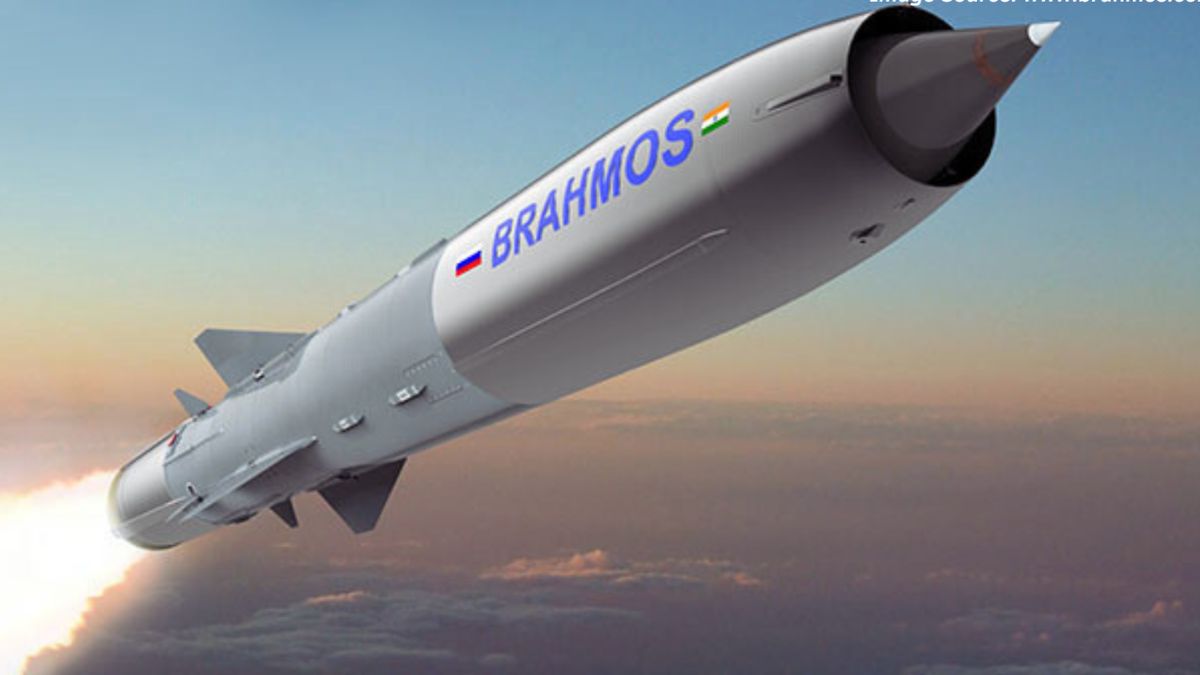
The missile could also complement India’s existing conventional precision-strike weapons, including the BrahMos supersonic cruise missile, although the two systems employ different flight profiles and are designed around distinct operational characteristics. A combination of cruise missiles, ballistic missiles, guided rockets and air-launched weapons would provide military planners with greater flexibility in selecting weapons according to target type, distance and the anticipated enemy response.
Importantly, Pralay is publicly presented as a conventional missile system, distinguishing its intended battlefield role from India’s nuclear deterrent, which operates under a separate strategic framework. This distinction matters because a credible conventional missile capability can offer military commanders additional response options below the nuclear threshold, even though ballistic missile launches in a crisis can carry risks of misinterpretation.
The latest test also comes as India continues to prioritize indigenous development and production of advanced military technologies under its broader defence self-reliance programme. Beyond the missile itself, Pralay’s development involves expertise in solid propulsion, precision navigation, flight-control systems, advanced materials and missile integration – technologies with potential applications across several other defence programmes.
For the armed forces, the immediate question is how quickly the successful evaluation can be translated into operational capability, including the delivery of missiles, launch vehicles, associated equipment and trained personnel. Although the defence ministry’s latest announcement suggests that induction is close, it has not provided details of the deployment schedule, the intended formations or the scale of the initial induction.
Therefore, Thursday’s trial represents an important milestone rather than confirmation that Pralay has already entered active military service. Once inducted and integrated into operational formations, the missile is expected to strengthen India’s ability to conduct precision conventional strikes at tactical and operational depths, adding another dimension to the country’s evolving missile-based deterrence capabilities.