

Built to fight, equipped to endure: Navy chief calls for freedom from foreign dependence
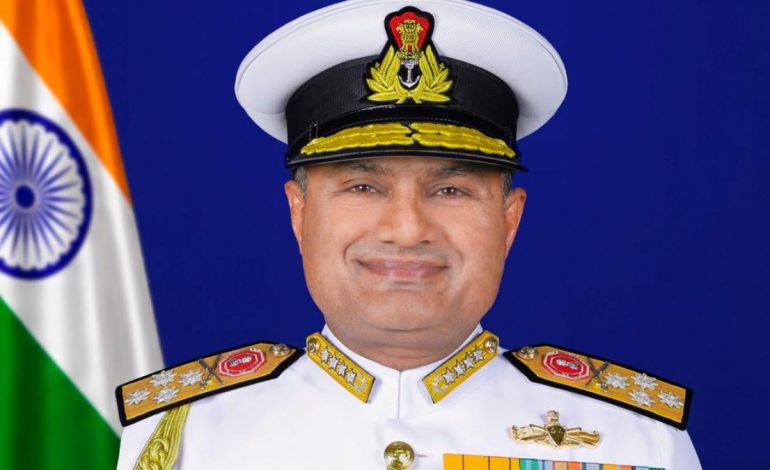
Indian Navy chief Admiral Krishna Swaminathan.

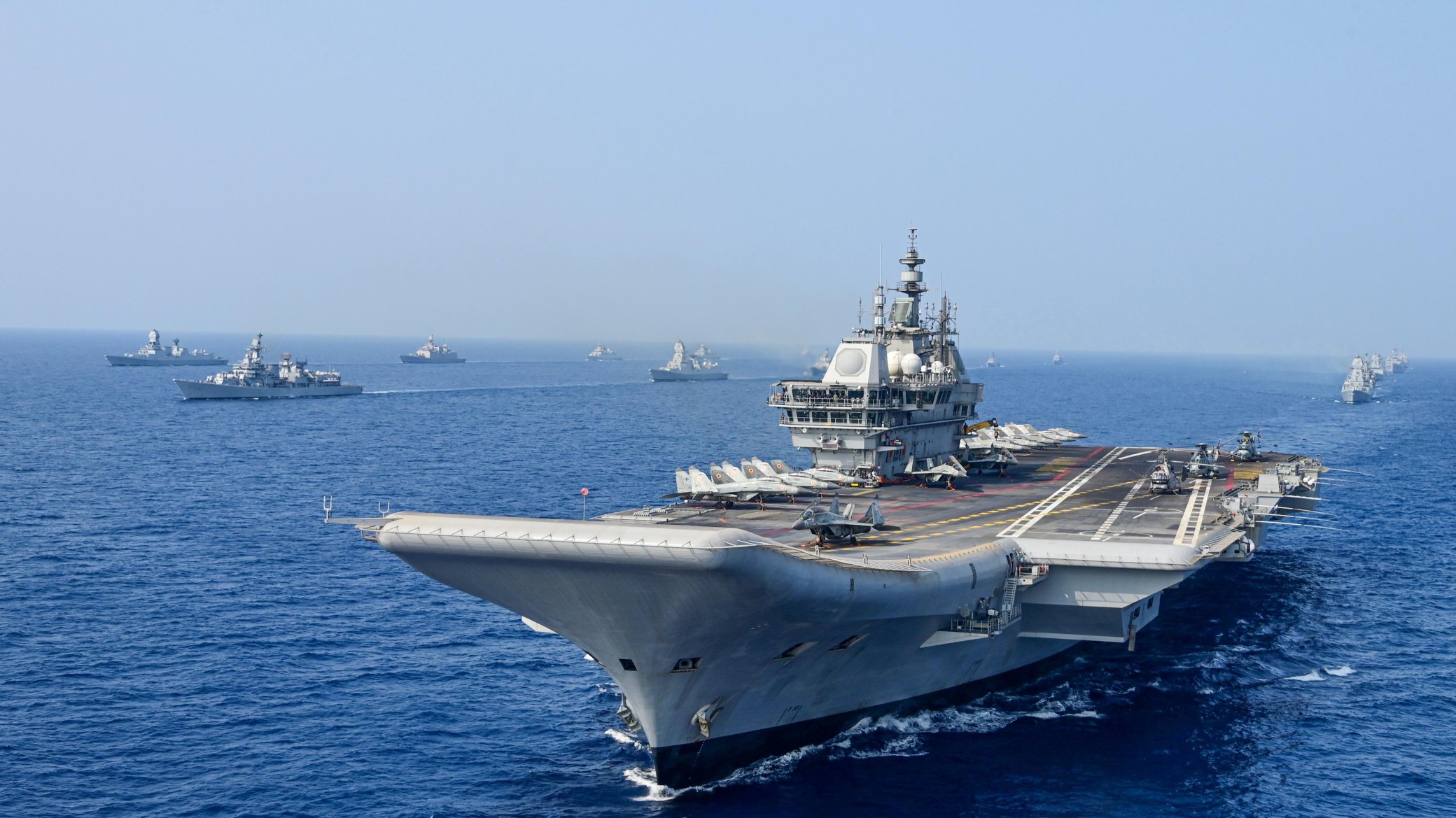
New Delhi: India must build a Navy capable of sustaining combat operations and adapting to changing threats without being held back by overseas dependencies, the chief of the naval staff, Admiral Krishna Swaminathan, said on Tuesday. He called for greater investment in research and emerging technologies, alongside faster conversion of innovations into equipment ready for operational use.
Addressing the Delhi Defence Dialogue, Swaminathan described self-reliance as a “strategic necessity” but stressed that it should not mean isolation. Stronger domestic capabilities, he argued, should enable India to cooperate with friendly countries on more favourable terms.
Citing the war in Ukraine, he highlighted how conflict could disrupt supply networks and constrain military capability. He also warned that geopolitical tensions were reviving historical disputes, with governments increasingly treating military force as an instrument of policy.
Swaminathan pointed to the wider availability of technology to non-state actors, without identifying any particular organization. His remarks, reported by PTI, linked the need to close capability gaps with the urgency of shortening the journey from technological development to operational deployment.
The two-day dialogue, organized by the Manohar Parrikar Institute for Defence Studies and Analyses, brings together discussions on defence reforms, self-reliance, international collaboration and exports. Its concept note identifies unreliable supply chains and the demands of prolonged wars as reasons to reassess how India develops military capabilities.
Beyond building warships
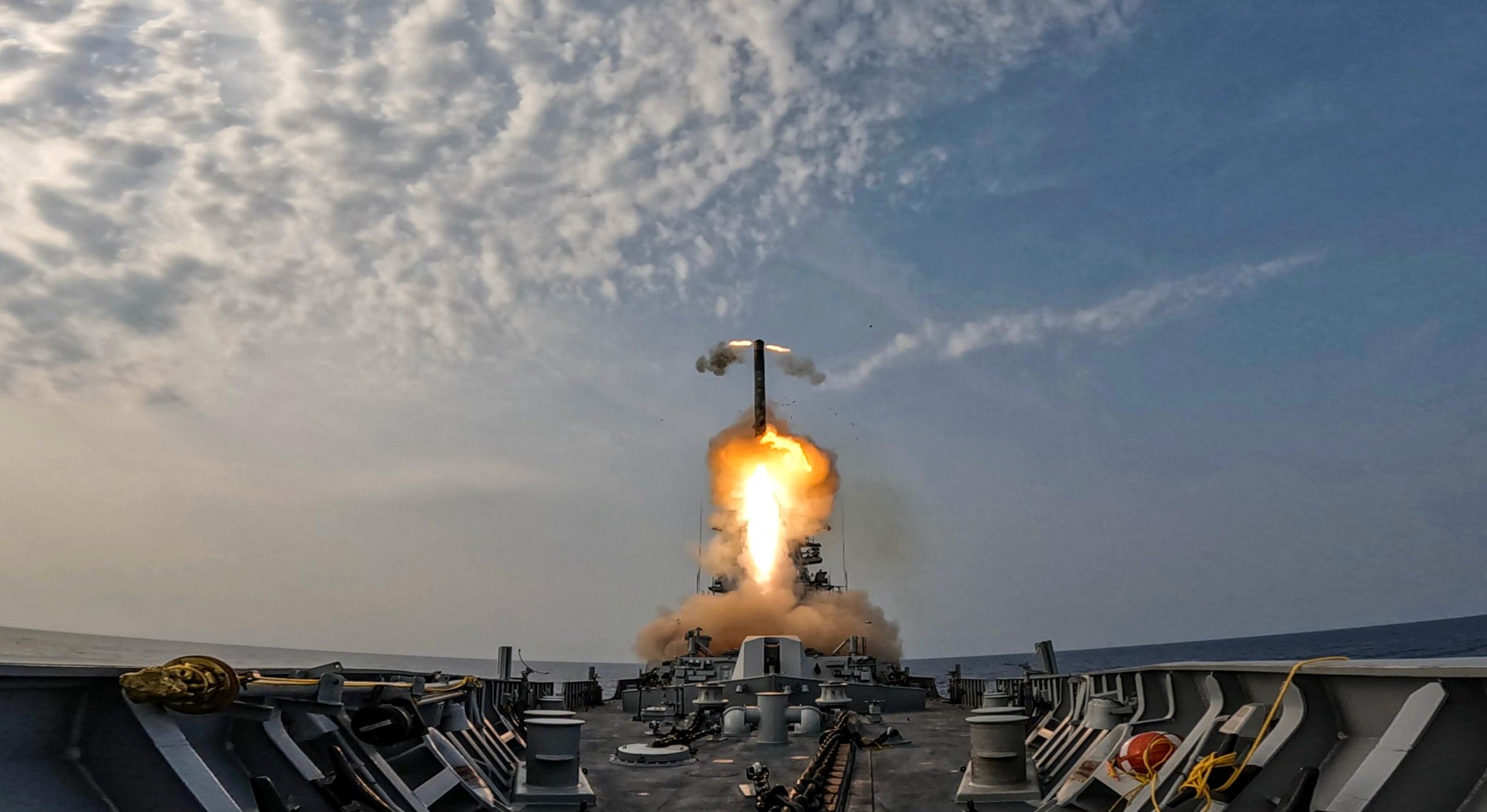
The industrial challenge extends across the systems that enable a warship to move, detect threats and fight. A government backgrounder on naval indigenization identifies advanced weapons, sensors, propulsion equipment, gearboxes and underwater technologies among the areas targeted for reducing overseas dependence.
The Navy’s indigenization plan for 2015–2030 sought to give domestic manufacturers a clearer picture of future requirements while encouraging research and production in India. Its approach includes partnerships with public and private companies, greater participation by smaller enterprises, and the development of domestic expertise in critical components and submarine systems.
International partnerships remain part of that effort. The dialogue’s concept note envisages a shift towards jointly developing technologies, with Indian participation in design and production, an appropriate share of intellectual property rights, and domestic manufacture of critical systems central to such arrangements.
Turning innovation into operational capability
Swaminathan’s intervention follows the Navy’s Swavlamban seminar on October 26 and 27, where the government outlined the scale of its innovation programme. According to the defence ministry’s account, 41 naval procurement proposals worth more than ₹3,500 crore had received acceptance of necessity, while 25 contracts exceeding ₹1,900 crore had been signed.
At that event, Swaminathan identified artificial intelligence, autonomous systems, robotics and quantum sensing as opportunities to strengthen naval capabilities. He called for closer attention to the full development process – from generating ideas and building prototypes to testing, contracting, induction and support throughout an equipment’s service life.
The defence minister, Rajnath Singh, also acknowledged that shortages of particular technologies and raw materials, including rare earth elements, would leave some external dependencies in place until alternatives became available. He urged advance assessment of reserve stocks and domestic production capacity, alongside a timetable identifying which technologies, manufacturers and resources would be needed to address the most critical vulnerabilities.
The operational requirement is especially demanding for a force undertaking lengthy deployments far from its bases. In its briefing ahead of Swavlamban, the Navy emphasized durable indigenous technologies as essential to combat readiness and sustained operations, placing reliability at sea alongside the development of new capabilities.