In tit-for-tat action, Iran brands Royal Navy and RAF ‘terrorist’, MI6 ‘hostile’
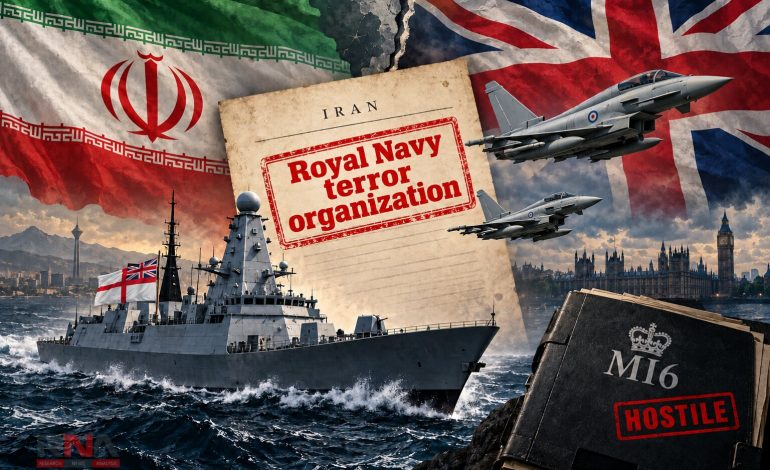
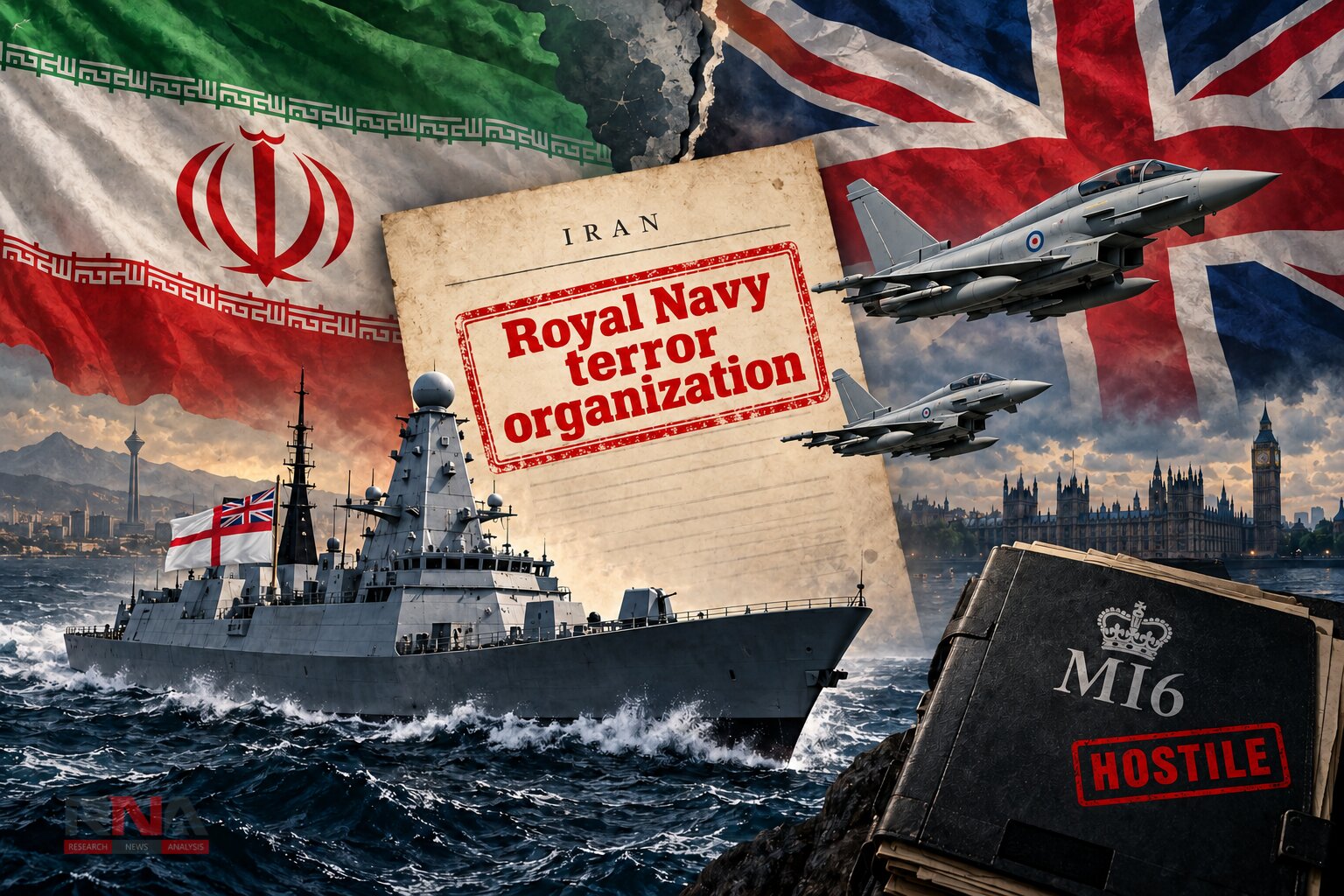
RNA Media illustration for representation.

New Delhi: Iran designated Britain’s Royal Navy and Royal Air Force as “terrorist organizations” on Sunday, escalating its confrontation with London over British support for military operations against Tehran. It separately classified Britain’s overseas intelligence service, MI6, as a “hostile group”, invoking different Iranian legislation for the intelligence agency and the two armed services.
The Iranian foreign ministry said the measures took effect immediately and followed a resolution approved by the country’s supreme national security council. Tehran presented the decision as retaliation for British actions over the past year, particularly London’s designation of the Islamic Revolutionary Guard Corps (IRGC) under its state threats legislation and the provision of military facilities for operations against Iran.
In its announcement, the ministry accused Britain of enabling the US-Israeli war against Iran by allowing access to military and logistical bases and other facilities within British jurisdiction. It also specifically cited the British government’s July 13 action against the IRGC under the State Threats Act 2026.
The announcement adds another dispute to a relationship already strained by competing accusations over military operations in West Asia and alleged Iranian activity on British soil. In October, London announced further sanctions and joined international partners in condemning what they described as Iranian plots, sabotage and attacks abroad.
Different designations, separate laws
According to Iran’s state news agency, IRNA, MI6 – formally the Secret Intelligence Service – has been brought within a provision of Iranian legislation concerning espionage and collaboration with Israel and hostile states. The ministry said the provisions of that law would consequently apply to the British intelligence agency.
The Royal Navy and Royal Air Force, by contrast, were designated under legislation concerning countermeasures against the United States’ classification of the IRGC as a terrorist organization. The distinction matters: Iran’s announcement assigns the armed services a terrorist designation while placing MI6 in a separate hostile-group category.
Tehran maintained that its actions were consistent with international law and the principle of reciprocity, while saying Britain would bear responsibility for the consequences. Those assertions represent the Iranian government’s position; the announcement did not spell out specific new operational measures against British ships, aircraft or personnel.
The British action cited by Tehran also requires careful description: London has confirmed that it designated the IRGC under its state threats powers. That is the formulation used in the British government’s own statement, rather than a designation explicitly described there as terrorist proscription.
Security dispute deepens
In an October 12 statement, the British foreign secretary, Ed Miliband, said London had summoned Iran’s ambassador and imposed sanctions on two Iranian nationals accused of facilitating or participating in hostile activities overseas. The measures included asset freezes, travel bans and disqualification from company directorships.
The two individuals were Ruhollah Bazghandi, identified by Britain as the head of counterespionage operations within the IRGC, and Shahram Ali Reza Tamarzadeh Jakki, described as a facilitator for the Zindashti criminal network. Miliband said Britain would act against threats to its national security, citing the earlier IRGC designation and wider sanctions against Iranian individuals and entities.
A separate joint statement issued that day by Britain, the United States and numerous other governments backed London’s attribution of Iranian involvement in the September 27 incident at RAF Fairford. The signatories accused Tehran of using covert networks and proxies to conduct hostile activities beyond its borders, including against Jewish communities, Iranian journalists and US interests.
The Fairford investigation subsequently led to two men appearing in a London court on October 27 on national security charges, as RNA Media had reported. The base had been used by American bombers for strikes on Iran, making it a focal point of the widening dispute over British facilities supporting US operations.
Iran has denied involvement in the alleged plot, although it has previously said that bases used to attack its territory constitute legitimate targets. The charges remain allegations before the courts, with the defendants due to appear again on November 20.
No immediate British response to the Sunday designations was identified in the official statements and reporting reviewed for this report. The practical consequences of Tehran’s announcement remain unclear, including whether further enforcement measures will follow against the named British institutions.