


China accuses Philippines of trying to ‘hijack Asean’ amid ADMM-Plus row
China accuses Philippines of trying to ‘hijack Asean’. (Image courtesy: Ministry of national defence People's Republic of China)

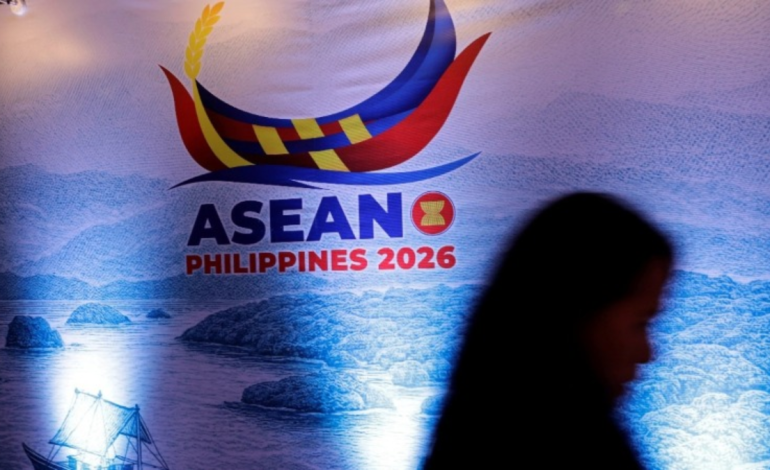
New Delhi: China has sent a defence attaché instead of its defence minister to the 13th Asean Defence Ministers’ Meeting-Plus (ADMM-Plus) in the Philippines, accusing the host country of creating obstacles to its participation. Beijing said its decision to attend despite the dispute demonstrated its support for Asean led regional security cooperation.
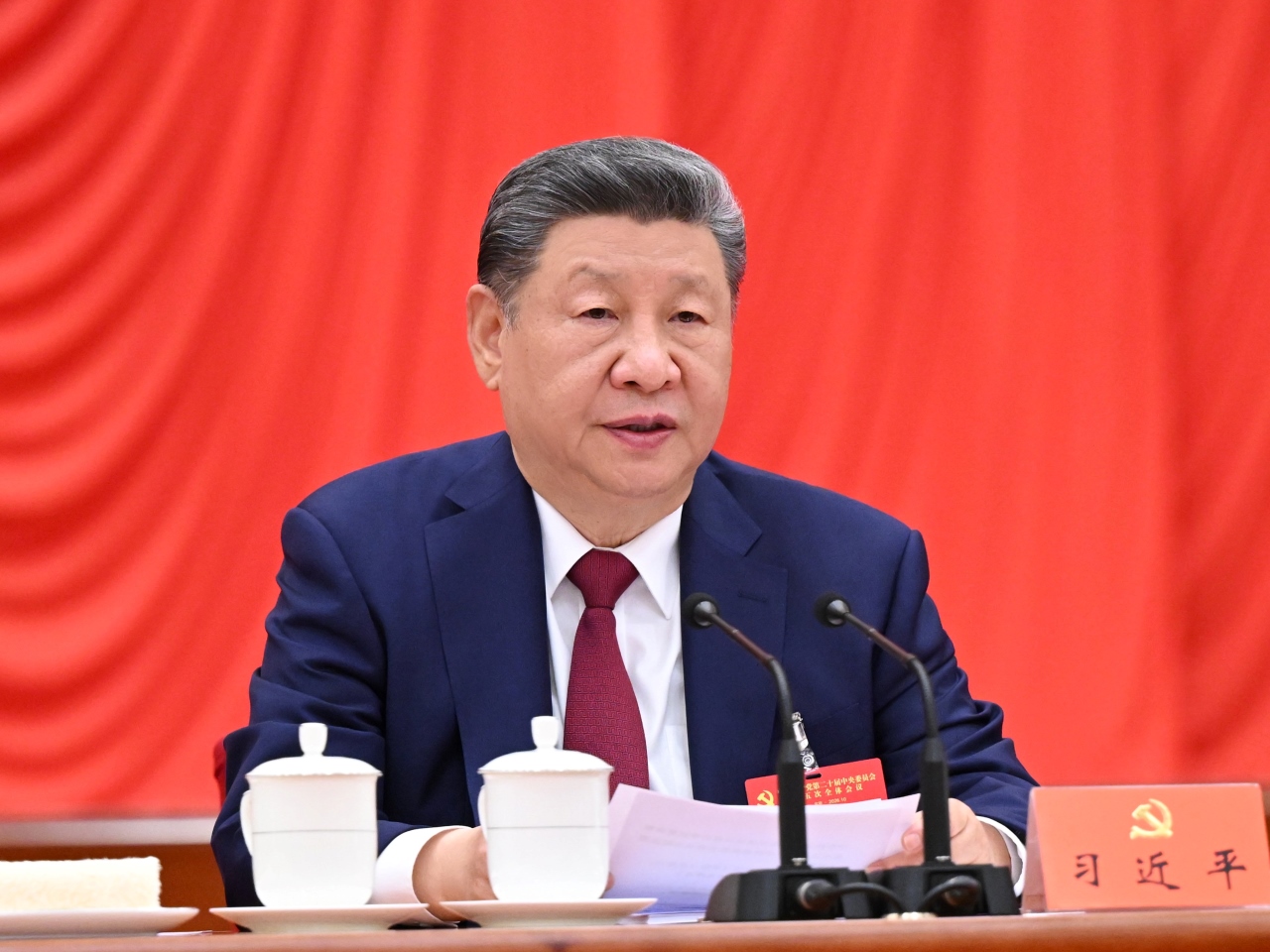
The Chinese defence ministry spokesman, Senior Colonel Zhang Xiaogang, addressed the absence of Chinese defence minister, Dong Jun, at a media briefing on Thursday. He accused the Philippines, which holds this year’s rotating chairmanship, of abusing its position to obstruct China’s participation.
“The Philippine side’s wilful acts to hijack Asean and stir up troubles would only undermine the credibility of ADMM-Plus, erode solidarity and mutual trust among Asean countries, and ultimately, impair the fundamental interests of the countries and peoples in the region, including the Philippines,” Zhang said.
Zhang alleged that the Philippines’ actions violated Asean’s principle of consensus through consultation and contradicted the forum’s open and inclusive approach. He also said the actions breached basic diplomatic protocols and undermined China’s legitimate rights as a member of the mechanism.
“Many Asean countries have raised questions and opposition over this,” Zhang said, without naming the countries concerned.
China said it decided to send representatives despite the alleged obstacles because it supports Asean centrality in the regional security architecture. Zhang said Beijing’s participation reflected its commitment to defence and security cooperation with other countries in the region.
Established in 2010, ADMM-Plus provides a platform for Asean member states and their eight dialogue partners to discuss defence and security issues, build mutual trust and strengthen cooperation. Its activities are intended to support regional peace and stability.
China’s decision to send a defence attaché rather than its defence minister marks its lowest-level representation at the forum since its inaugural meeting in 2010. Beijing’s statement criticized the Philippines’ handling of its participation but did not specify the individual obstacles it alleged had been imposed.