

ITBP’s 12,333 vacancies draw scrutiny as India-China face-offs persist in Arunachal

DG ITBP Shatrujeet Kapur.

New Delhi: The Indo-Tibetan Border Police (ITBP) has a recorded shortfall of 12,333 personnel, bringing its staffing levels into focus after its chief acknowledged continuing face-offs along the Arunachal Pradesh frontier. The figure, disclosed in Parliament earlier this year, represents nearly 12 per cent of the force’s sanctioned strength and should not be treated as a fresh October assessment.
The home ministry’s figures put the ITBP’s authorized strength at 1,05,136 personnel, against an actual strength of 92,803. Calculated against sanctioned posts, the vacancy rate is approximately 11.7 per cent – distinct from the roughly 13.3 per cent obtained by comparing unfilled posts with serving personnel.
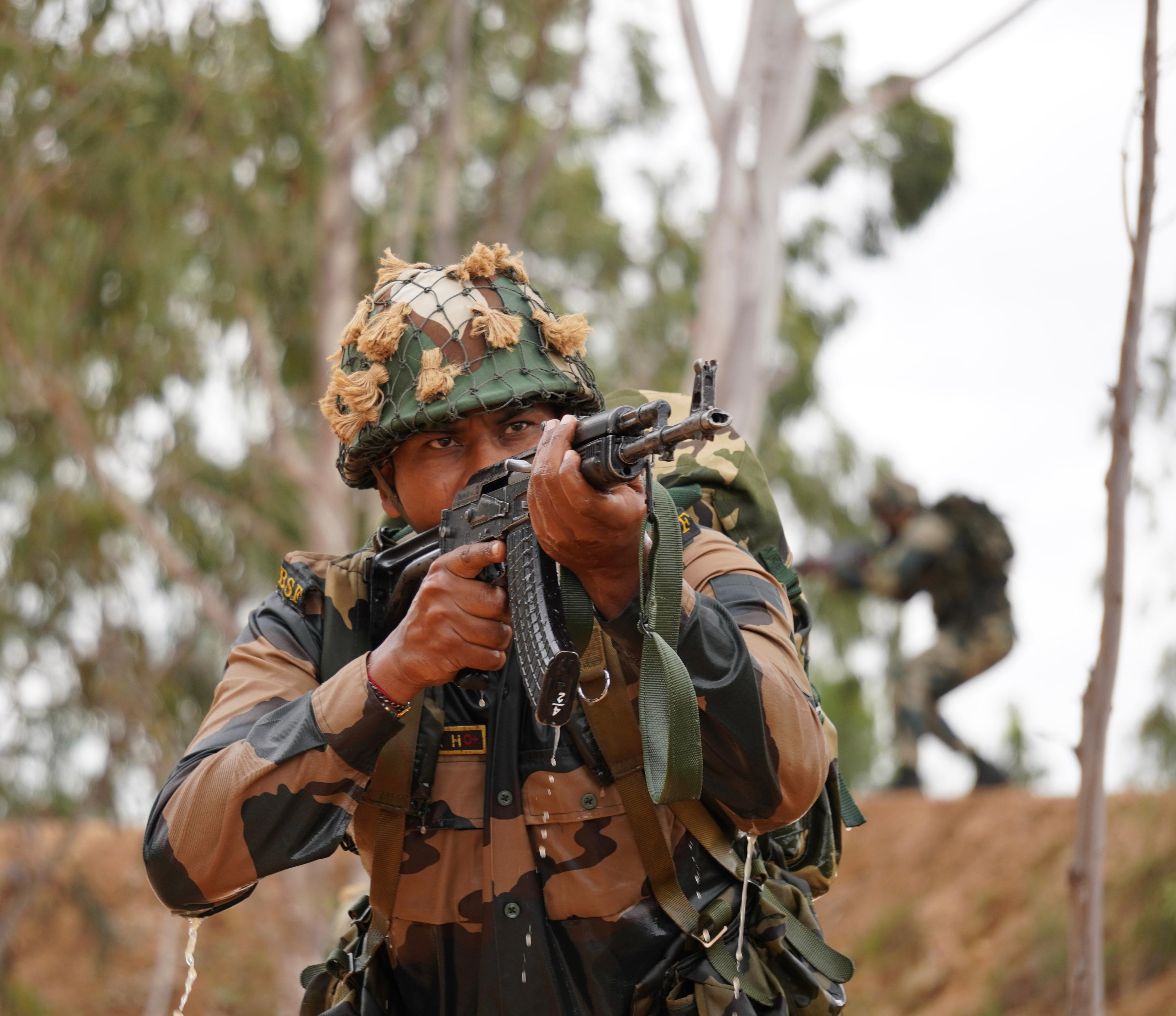
The staffing gap has attracted renewed attention following remarks by the ITBP director general, Shatrujeet Kapur, at a force gathering in Alwar, Rajasthan, on October 22. He said face-offs had occurred at several locations in Arunachal Pradesh and were continuing, while praising the newly raised Shaurya commando teams for their performance.
Kapur did not identify the locations, disclose troop numbers or explain the precise nature of the encounters. His comments therefore provided an acknowledgement of continuing friction, without establishing that the confrontations had developed into armed clashes.
Staffing figures and operational demands
The ITBP shortage forms part of a wider recruitment challenge across the central armed police forces and Assam Rifles. In a written reply reported on March 11 this year, the minister of state for home affairs, Nityanand Rai, placed their combined vacancies at 93,139.
The Central Industrial Security Force accounted for 28,342 vacancies, followed by the Central Reserve Police Force with 27,400 and the Border Security Force with 14,531. Apart from the ITBP’s 12,333 unfilled posts, the Sashastra Seema Bal had 6,784 vacancies and Assam Rifles 3,749.
The government’s position is that recruitment remains a continuous process, conducted through the Union Public Service Commission, Staff Selection Commission and the forces concerned. Responding to questions about operational consequences, Rai said the forces continued to perform their responsibilities professionally by making optimal use of available resources.
The published force-wide figures do not establish how many vacancies fall in Arunachal Pradesh or how individual border units are staffed. They consequently cannot, by themselves, demonstrate that a particular patrol, post or deployment has been weakened.
Drones, commandos and protected shelters
Alongside his account of the face-offs, Kapur outlined efforts to strengthen the ITBP’s capabilities through specialized personnel, unmanned systems and better protection for forward positions. He said drone platoons had been established in border-guarding battalions, with personnel being trained as pilots and the force also developing drones internally.
According to coverage of his modernization plans, the changes include specialized commando platoons and underground shelters along the line of actual control (LAC). The programme places greater emphasis on high-altitude combat training and protection against modern weapons.
Kapur also said a larger modernization scheme, valued at approximately ₹4,000 crore, had received in-principle approval, with ₹1,000 crore intended for drone and anti-drone systems. That distinction matters: an allocation proposed under an approved programme does not mean all the equipment has already been acquired or deployed.
India and China offer differing accounts
Responding to Kapur’s remarks on October 23, the external affairs ministry spokesperson, Randhir Jaiswal, said border disturbances occur when Chinese forces depart from established patrolling patterns. He referred questions about specific encounters to the defence ministry and said diplomatic and military mechanisms remained in use to prevent misunderstandings and miscalculations.
Jaiswal reiterated that peace and tranquillity in the border areas were essential for the development of bilateral relations. He also said the two countries had agreed to discuss ways to improve their understanding of the LAC in appropriate areas to strengthen border management.
China subsequently defended its activities, with its foreign ministry spokesperson, Guo Jiakun, saying on Monday, that Beijing was observing bilateral agreements and conducting normal border patrols. He said the two countries remained in communication through diplomatic and military channels, underscoring the differing public accounts of the latest frontier tensions.