

India-China face-offs persist along Arunachal border, ITBP chief says; force strengthens combat readiness
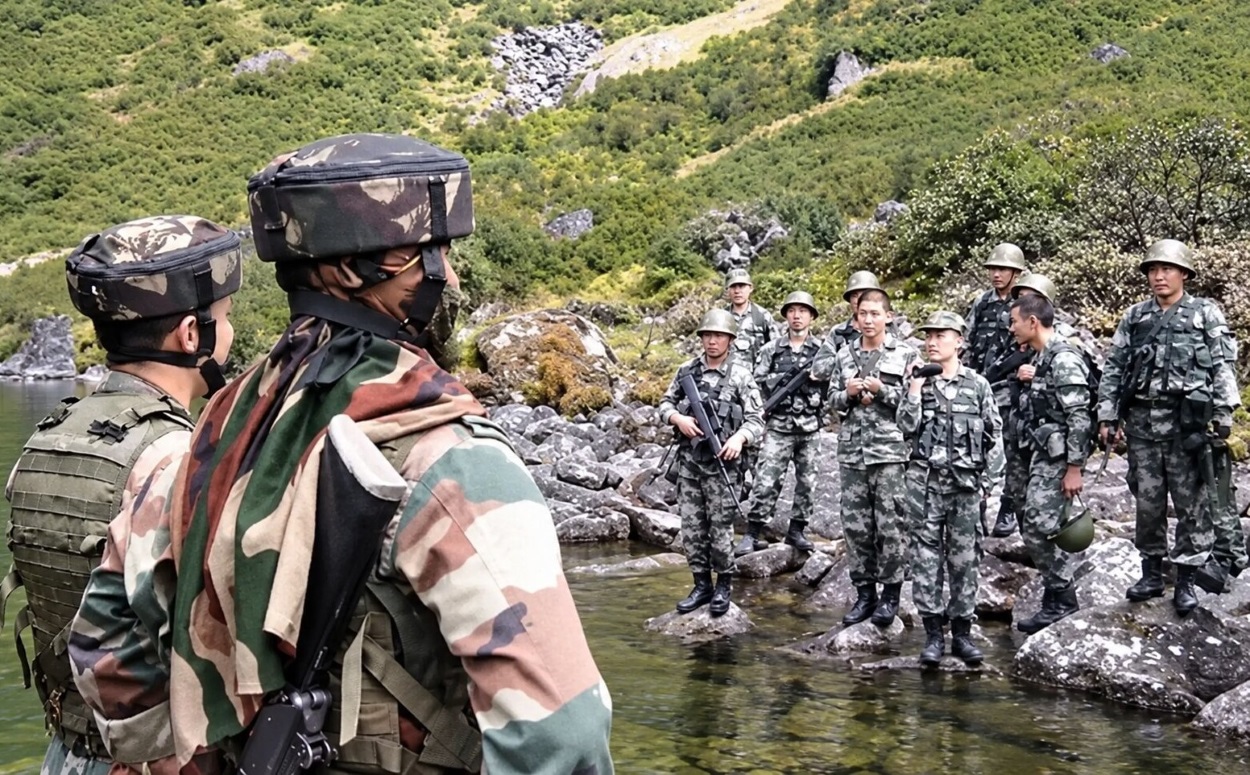
A file photo of Indian Army and PLA soldiers facing each other across a rivulet somewhere in Arunachal Pradesh’s Tawang sector.

New Delhi: Indian and Chinese troops remain in face-offs at several locations along the Arunachal Pradesh border, the director general of the Indo-Tibetan Border Police (ITBP), Shatrujeet Kapur, has said. His acknowledgement brings renewed attention to tensions in the eastern sector of the line of actual control (LAC), where military talks have continued alongside efforts to resolve differences on the ground.
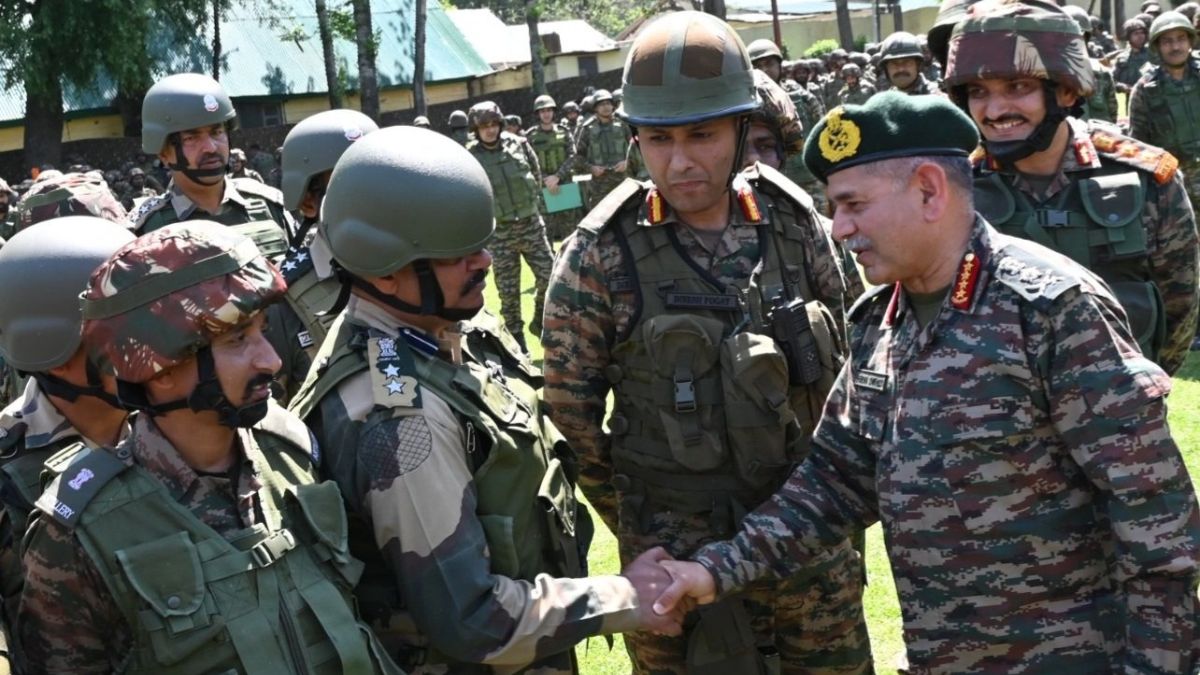
Addressing personnel on Thursday, ahead of the force’s raising day, Kapur said its specially trained Shaurya commandos had demonstrated their capabilities during the continuing confrontations with China’s People’s Liberation Army (PLA). He also outlined preparations involving drone units, underground infrastructure and additional combat training to strengthen the force’s response along the frontier.
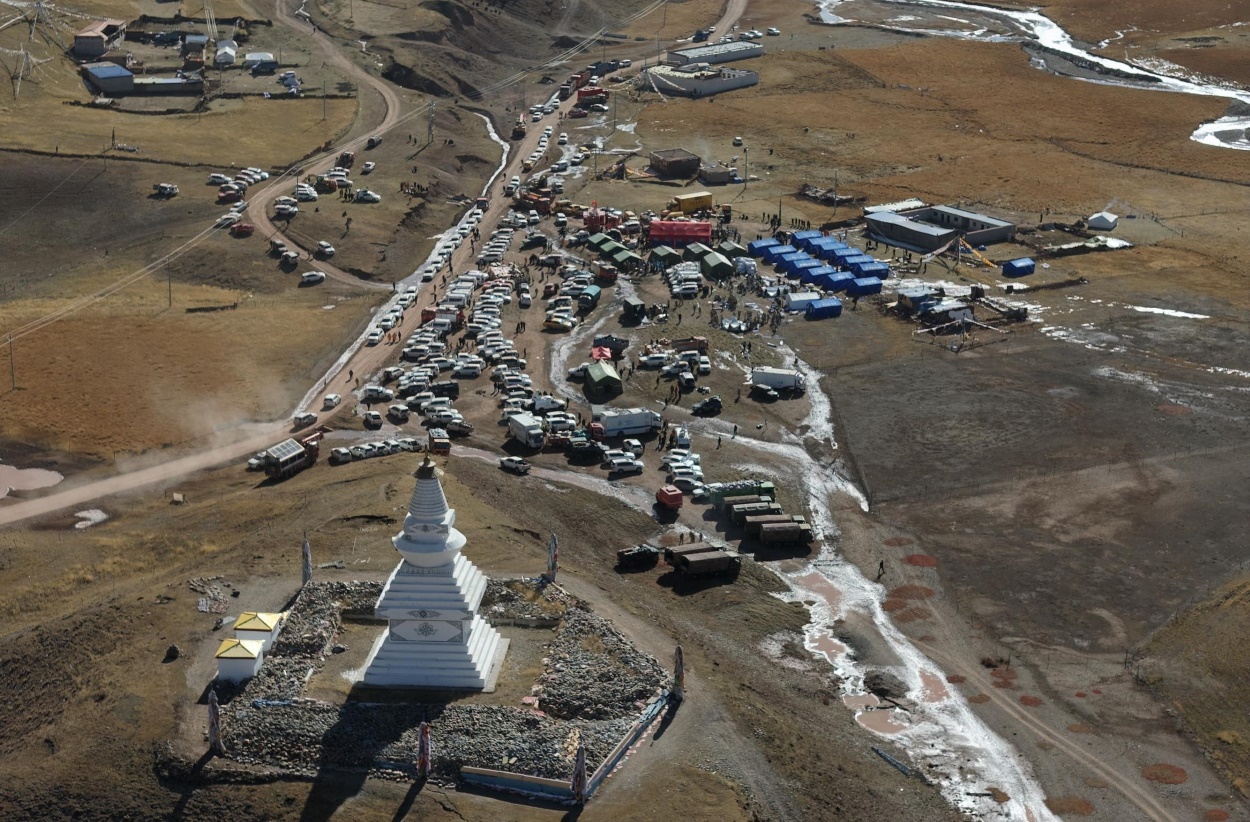
The remarks follow months of reporting about friction around Taksing in Arunachal Pradesh’s Upper Subansiri district. According to some media reports, Indian and Chinese patrols confronted each other in late July, with Chinese personnel initially withdrawing after established procedures were followed, before reportedly returning and setting up tents in early August.
Those accounts should be distinguished from broader allegations of territorial encroachment, which Indian security sources disputed at the time. In August, sources quoted by ANI said the Army and ITBP were monitoring Chinese activity and explained that patrols sometimes confronted each other because the boundary remained undemarcated, with such encounters addressed through existing mechanisms.
Kapur’s latest comments indicate that face-offs have persisted despite subsequent military engagement. India and China held corps commander-level talks at the Wacha-Damai border meeting point on September 6, following meetings between local commanders.
The diplomatic channel has remained active as well, with the two countries reviewing the LAC situation at the 36th meeting of the Working Mechanism for Consultation and Coordination on India-China Border Affairs in New Delhi on August 6. The official Indian readout said both sides agreed to use diplomatic and military mechanisms to address unresolved issues and prevent misunderstandings or miscalculations.
For New Delhi, these discussions form part of a wider position that stability at the frontier is essential to improving relations with Beijing. The same readout linked peace in the border areas to the overall development of bilateral ties, while recording discussions on boundary delimitation, border management and cross-border cooperation.
Alongside those negotiations, the ITBP is adapting its operational preparations to changes in warfare. Speaking at a force base in Alwar, Rajasthan, Kapur said China’s military modernization required the ITBP to upgrade its weapons, vehicles and border posts rather than rely solely on traditional methods.
The force has established drone platoons across its border units and is developing underground infrastructure along the frontier. Kapur also described a new “strike” course intended to improve personnel’s ability to handle confrontations resembling the Galwan clash, with training across the force targeted for completion by the end of 2027.
The Shaurya commandos are part of this broader effort to improve readiness for operations in difficult mountain terrain. The Tribune reported in March that the specialized platoons had trained with the Army’s Ladakh-based Fire and Fury Corps (XIV Corps) in modern weapons, mountaineering, drone operations and unarmed combat, with the aim of improving their ability to operate together.
The ITBP, a central armed police force under the ministry of home affairs, is deployed alongside the Army in the northern and north-eastern border sectors. Its combination of border duties and specialized mountain training makes coordination with military formations an important part of preparations along the LAC.
The continuing face-offs also sit within the unresolved political dispute over Arunachal Pradesh, which China claims and India maintains is an integral part of its territory. Responding to Chinese objections in August, the ministry of external affairs reiterated India’s position while emphasizing that maintaining peace along the border remained a central requirement in its dealings with Beijing.