


‘There’s just meat’: Russian officer leaked battle plans to Ukraine that led to strikes that killed over 300 troops, report says
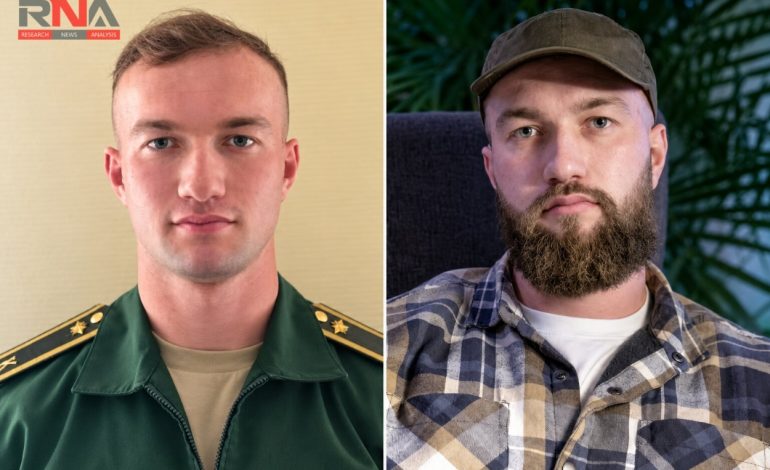
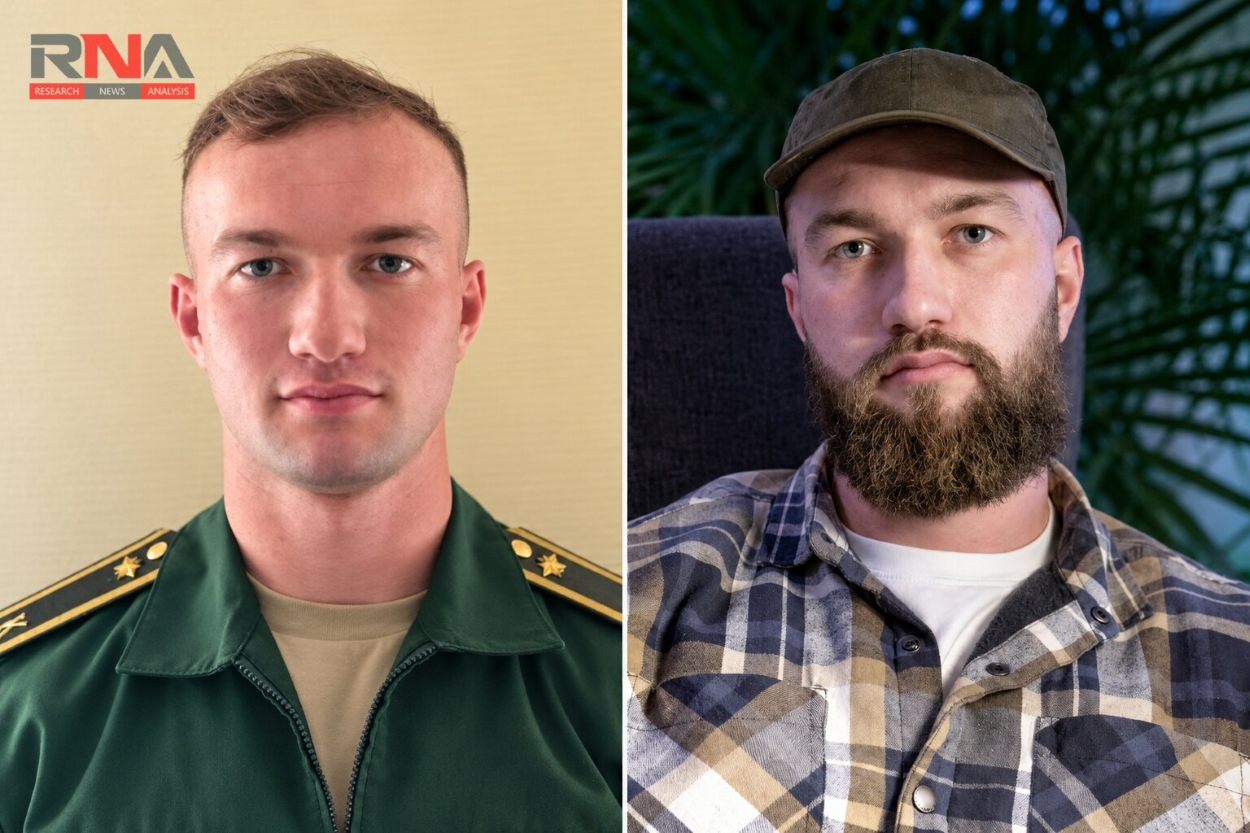
This combination image of Lev Stupnikov shows him as a young officer in the Russian army and now.

New Delhi: A Russian signals officer secretly passed military intelligence to Ukraine for months before escaping across the front line, helping Ukrainian forces carry out strikes that reportedly killed more than 300 Russian servicemen. Lieutenant Lev Stupnikov, now 26, subsequently joined a Russian formation fighting alongside Ukraine, according to a Wall Street Journal investigation published on Friday.
The investigation reconstructs a clandestine operation conducted in 2024 through interviews, messages, footage and Russian records. The overall death toll is the newspaper’s assessment, while Indian reports carrying the account also attribute their information to its investigation.
A graduate of the Budyonny Military Academy of the Signal Corps, Stupnikov served as a battalion communications chief within Russia’s 36th Separate Guards Motor Rifle Brigade in occupied eastern Ukraine. His duties gave him access to operational plans, troop deployments and surveillance feeds – information he allegedly began sharing with Ukrainian contacts while continuing to work alongside Russian commanders.
One of the first major attacks linked to his information targeted a gathering of Russian troops near Vuhledar in February 2024. According to the report, he moved away after pretending to have stomach cramps, shortly before Ukrainian missiles struck the location he had identified.
Stupnikov reportedly told his handlers that 68 servicemen had been killed and another 60 wounded, with Colonel Gusein Musayev among the dead. Asked to photograph the aftermath, he replied: “There’s just meat.”
The attack itself was reported at the time, although Stupnikov’s alleged involvement was not then public. In coverage published on February 21, 2024, Meduza cited BBC Russian and Russian military bloggers as saying that at least 60 soldiers might have been killed at a training ground near Trudivske, where members of the same brigade had assembled to await a senior commander.
His assistance allegedly continued beyond that strike, encompassing Russian radio frequencies, planned operations and the locations of troops and equipment. Several media and blogger reports, many on Telegram, also describe sabotage of surveillance cameras and drone-control equipment, alongside intelligence that helped Ukraine target officers’ meetings and troop accommodation.
Repeated attacks gradually heightened Russian commanders’ suspicions that someone inside the formation was providing information to Ukraine. Stupnikov also reportedly narrowly survived a Ukrainian strike after mistakenly sending his contact a map image identifying the basement where he himself was staying.
His route into the Ukrainian intelligence network began with his mother, Tatiana Yantsen, who opposed the war and sought help getting him out of the Russian military. In February 2024, she contacted Dmytro Karpenko, a Ukrainian programmer associated with military intelligence who was known for publishing interviews with Russian prisoners of war.
Karpenko had offered payments for useful military information, but the Belarusian outlet Nasha Niva, recounting the investigation, reported that Stupnikov declined money. The officer described his decision as rooted in opposition to the invasion and earlier disillusionment with corruption within the Russian military.
The escape came in July 2024, when Ukrainian contacts coordinated his departure from Russian positions near Mykilske under cover of darkness. According to the report, Ukrainian personnel monitored his progress by live video as he approached troops from Ukraine’s 72nd Brigade and identified himself using an agreed password.
Stupnikov later became a communications specialist with the Russian Volunteer Corps, a formation of Russian nationals fighting on Ukraine’s side. His mother and sister also left Russia, while his wife remained behind and subsequently publicly condemned his decision, according to the investigation.
The corps has a controversial political background alongside its opposition to the Kremlin. A Reuters investigation published in 2023 documented its founder’s far-right connections, while finding that some recruits did not share that ideology and had joined primarily to fight the government of the Russian president, Vladimir Putin.



