




Trump cancels livestreaming of Nidal Malik execution by firing squad at Fort Hood after backlash, sentence stands
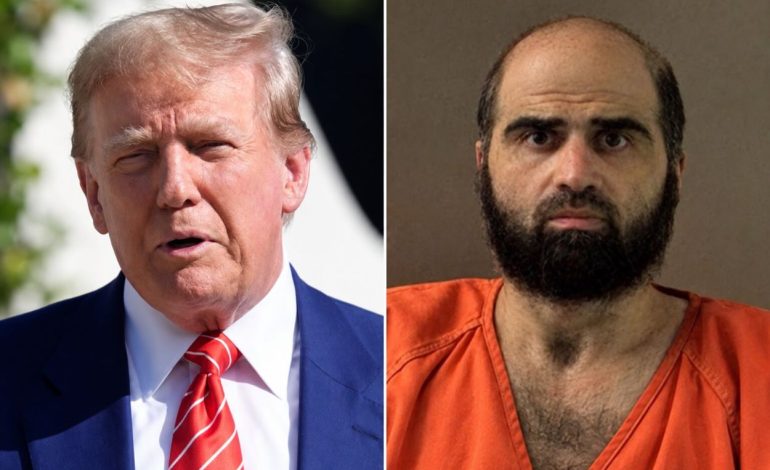
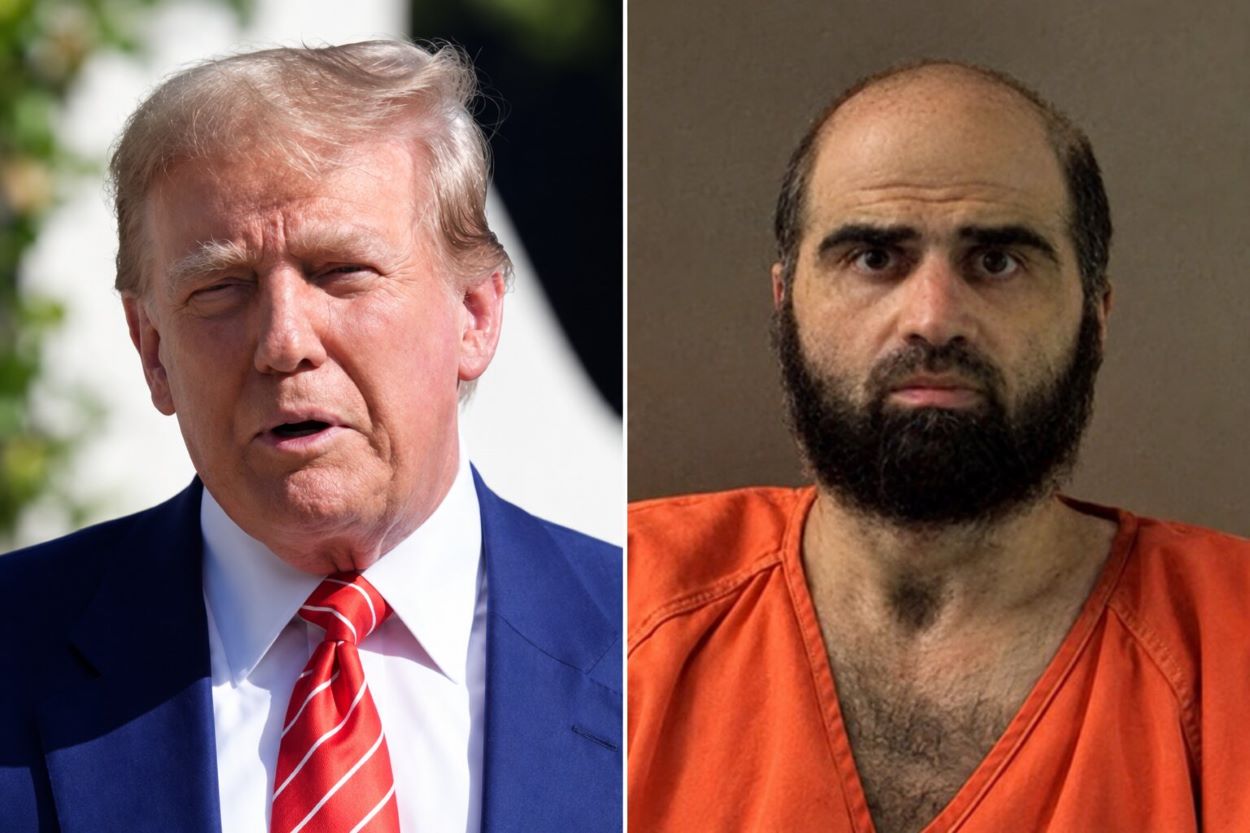
Donald Trump (L) and Hasan Nidal.

New Delhi: The US president, Donald Trump, cancelled plans to livestream the firing squad execution of Fort Hood gunman Nidal Malik Hasan. His decision reverses a Pentagon announcement that had drawn criticism across party lines.
Hasan remains scheduled to be executed on December 3 at the Texas military installation where he killed 13 people and wounded 32 in 2009.
Announcing the decision on Truth Social, Trump maintained that broadcasting the execution could have served as a deterrent, but acknowledged objections from people uncomfortable with watching a prisoner being put to death. He said the victims’ immediate family members would still be permitted to witness the execution in person if they wished.
The reversal followed an announcement by the US defence secretary, Pete Hegseth, that the execution would be public, with Pentagon officials subsequently confirming plans for a livestream. Hegseth had argued that allowing people to watch would demonstrate the consequences of such crimes, making the proposed broadcast a central part of the administration’s presentation of the punishment.
The controversy exposed divisions within Trump’s own political camp, extending beyond the usual disagreement over capital punishment. The vice-president, JD Vance, said he would not watch the execution, while some Republican lawmakers questioned whether broadcasting it would serve any legitimate public purpose.
The House speaker, Mike Johnson, warned that footage could become material for terrorist recruitment, while the Republican senator, Kevin Cramer, argued that executions should not be treated as entertainment. Their objections highlighted a distinction running through the debate – support for Hasan’s death sentence did not necessarily translate into support for making his death publicly viewable.
Some survivors also questioned the proposed broadcast, including Alonzo Lunsford, who was shot multiple times during the attack. Although Lunsford supported execution by firing squad, he expressed concern about turning the punishment into a spectacle.
Religious opposition went further, challenging participation in the execution itself as well as its proposed public presentation. Archbishop Timothy Broglio, who oversees Catholic pastoral services to the US military, condemned the livestream plan and said Catholic soldiers should not serve on the firing squad.
As RNA Media reported earlier, the United Nations also warned that livestreaming Hasan’s execution would amount to torture.
CNN reported that Trump and his advisers had been reconsidering the broadcast before Thursday’s announcement, with the president privately remarking that he had not initially known Hasan was paralysed from the waist down. Hasan uses a wheelchair after being shot by officers responding to the attack, although CNN’s sources said Trump remained firmly supportive of execution by firing squad.
Hasan, a former US Army major and psychiatrist, carried out the shooting on November 5, 2009, shortly before he was due to deploy to Afghanistan. He later described the attack as retaliation for American military operations in Iraq and Afghanistan, and represented himself during the court martial that sentenced him to death in August 2013.
According to the US Army’s official statement, Trump approved the death sentence on October 2, following completion of the appellate process, and the acting army secretary, Adam Telle, directed the execution on October 6. It is scheduled for 1pm Central Standard Time (11.30pm IST) on December 3 at Fort Hood.
Military death sentences require presidential approval, and Army regulations stipulate that an execution date must fall between 60 and 150 days after that authorization. The Army said the US supreme court had declined to review Hasan’s court-martial conviction on March 31, 2025.
If carried out, the execution would be the US military’s first since 1961 and its first by firing squad since World War II. However, the organization says Hasan can still pursue review in civilian federal courts, meaning further litigation could delay the scheduled execution.



