

BP pulls out of Riyadh energy congress after deadly airport attacks disrupt travel
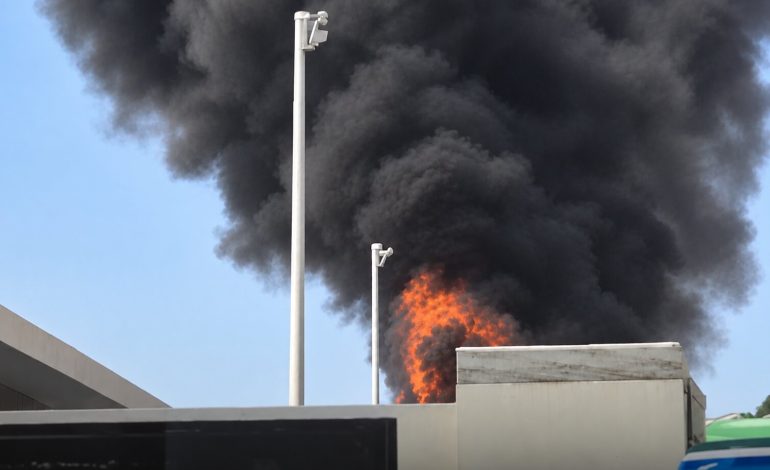
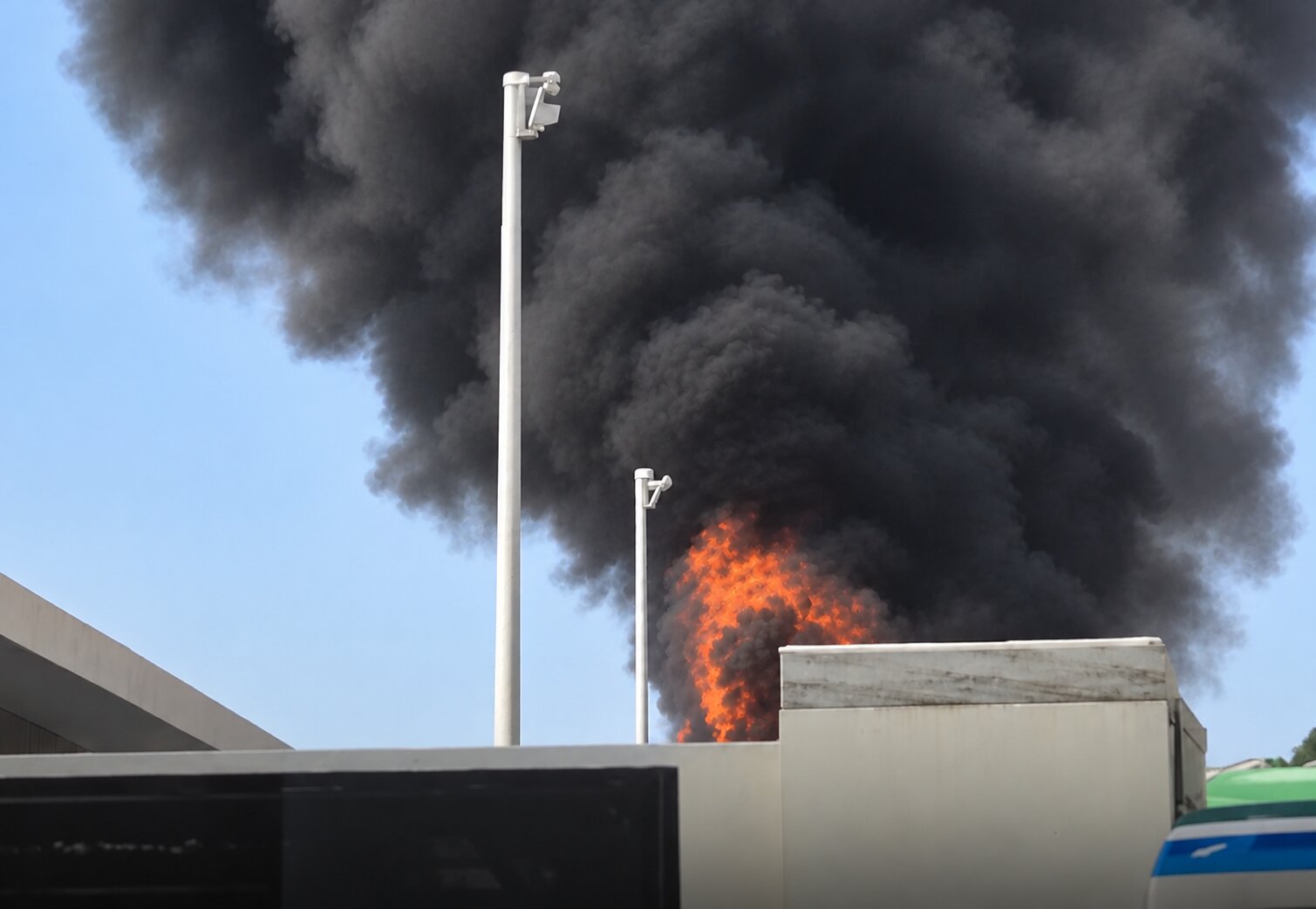
Digitally enhanced screenshot from an amateur video posted on X shows smoke billowing of of the Terminal 4 of the Riyadh international airport after being hit by a Houthi missile.

New Delhi: British oil major BP has withdrawn from the World Petroleum Council Energy Congress in Riyadh after deadly attacks on the Saudi capital’s international airport disrupted travel to the gathering. The five-day conference nevertheless began on Sunday with Saudi authorities maintaining its schedule despite the airport’s closure and reports that other leading oil executives had cancelled their attendance.
BP attributed its absence to travel disruption, with its chief executive, Meg O’Neill, having featured on earlier conference agendas. A company spokesperson told Reuters that BP had made every effort to participate and continued to value its longstanding partnerships across the region.
The Financial Times reported, citing two people familiar with the arrangements, that the chief executives of ExxonMobil, TotalEnergies and Shell had also abandoned plans to attend. Those withdrawals had not been independently confirmed by the companies in the Reuters report: Shell declined to comment, while ExxonMobil and TotalEnergies did not immediately respond to requests made outside regular business hours.
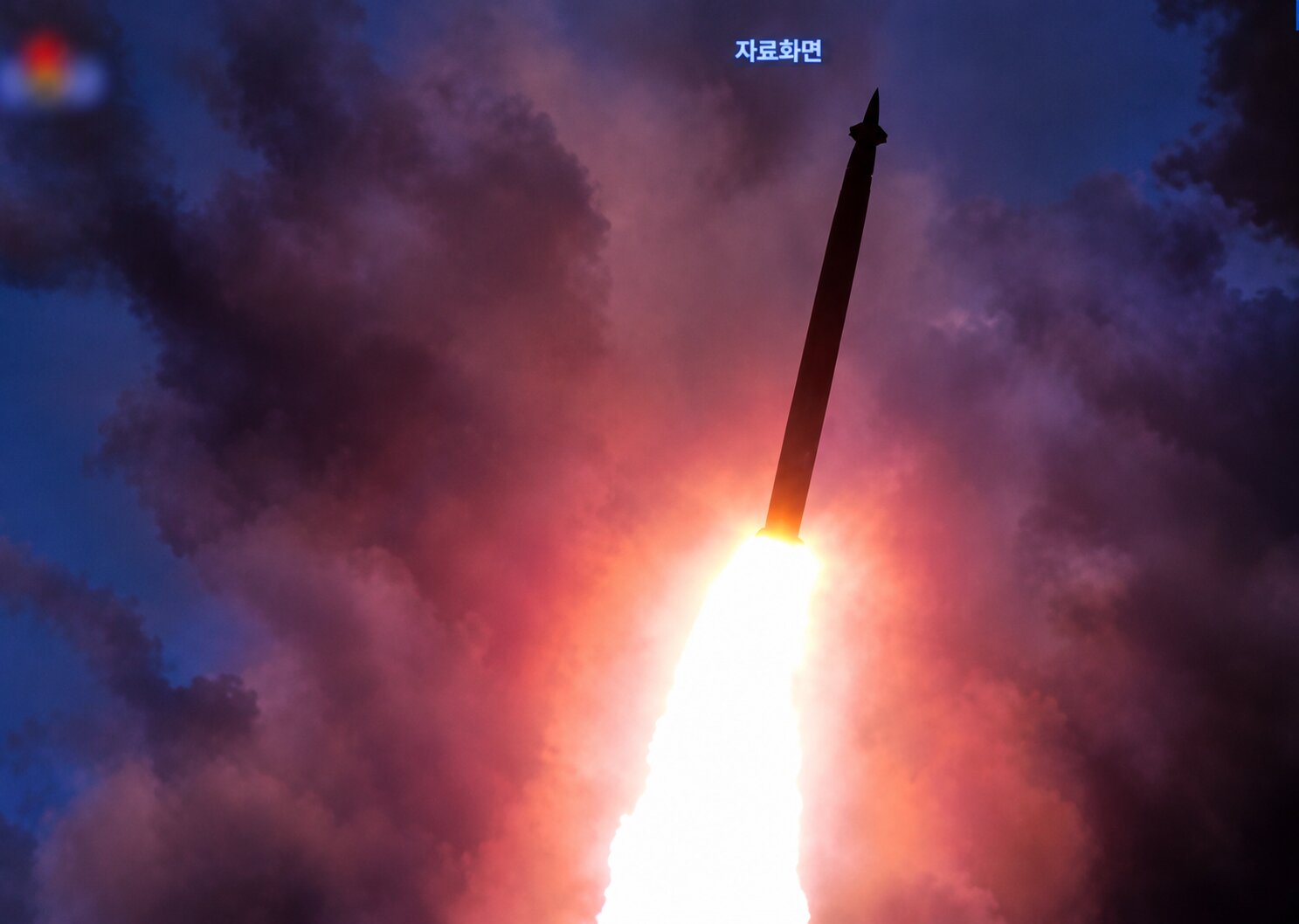
The disruption followed a missile strike on King Khalid International Airport on Saturday, which Saudi authorities said killed 12 people and injured more than 300. Another projectile struck a passenger terminal on Sunday, killing a Pakistani national and injuring 11 others, as RNA Media had reported, bringing the reported death toll across the two attacks to 13.
The Iran-backed Houthis in Yemen claimed responsibility for the attacks, which formed part of an escalating campaign against Saudi airports. The group also warned airlines, passengers and airport workers against using the kingdom’s airports and airspace, increasing uncertainty over commercial travel.
Saudi Arabia’s energy ministry said the congress proceeded at a convention centre approximately 10 kilometres from the airport. The official event schedule lists the gathering for October 11–15 at the Riyadh Front Exhibition and Conference Center, with the inaugural session and main programme beginning on Monday.
Organizers had already been making alternative travel arrangements before the weekend’s deadliest strike, as earlier attacks disrupted flights into Riyadh. An email to delegates identified arrival through Dammam, followed by an approximately four-hour drive to the capital, as one option.
The difficulties had also affected government participation: Italy’s energy minister, Gilberto Pichetto Fratin, said he would join an International Energy Forum ministerial meeting on the congress’s sidelines by video rather than travel to Riyadh. Lufthansa had suspended its Riyadh services through October 16, while Etihad Airways and flydubai cancelled flights scheduled for Saturday.
The aviation concerns subsequently widened, with the US Federal Aviation Administration advising American aircraft operators to exercise caution when flying into or over Saudi Arabia. Its advisory on Sunday cited military activity and navigation-system interference as potential hazards during overflight, arrival and departure, and was effective until December 10.
The confrontation has intensified following an offensive by the Saudi-backed Yemeni government against the Houthis earlier this month. Saudi Arabia has responded to attacks on its territory with strikes on missile-launch sites and said it has intercepted numerous ballistic missiles fired by the group.
The disruption presents a practical challenge to Riyadh’s efforts to convene international business leaders while hostilities continue. Organizers of the kingdom’s flagship Future Investment Initiative have also said that their October 26–29 gathering will proceed, promising coordinated security arrangements at airports, conference venues and official hotels.
For BP, the cancellation comes only days after O’Neill publicly reaffirmed the company’s commitment to the region. Speaking at an energy conference in London on October 5, she said BP had no intention of shying away from the Middle East and was working with Iraq’s government to examine alternative oil-export routes, including a northern route.



