


Pentagon to livestream Fort Hood shooter Nidal Malik Hasan’s execution, to revive public punishment after decades
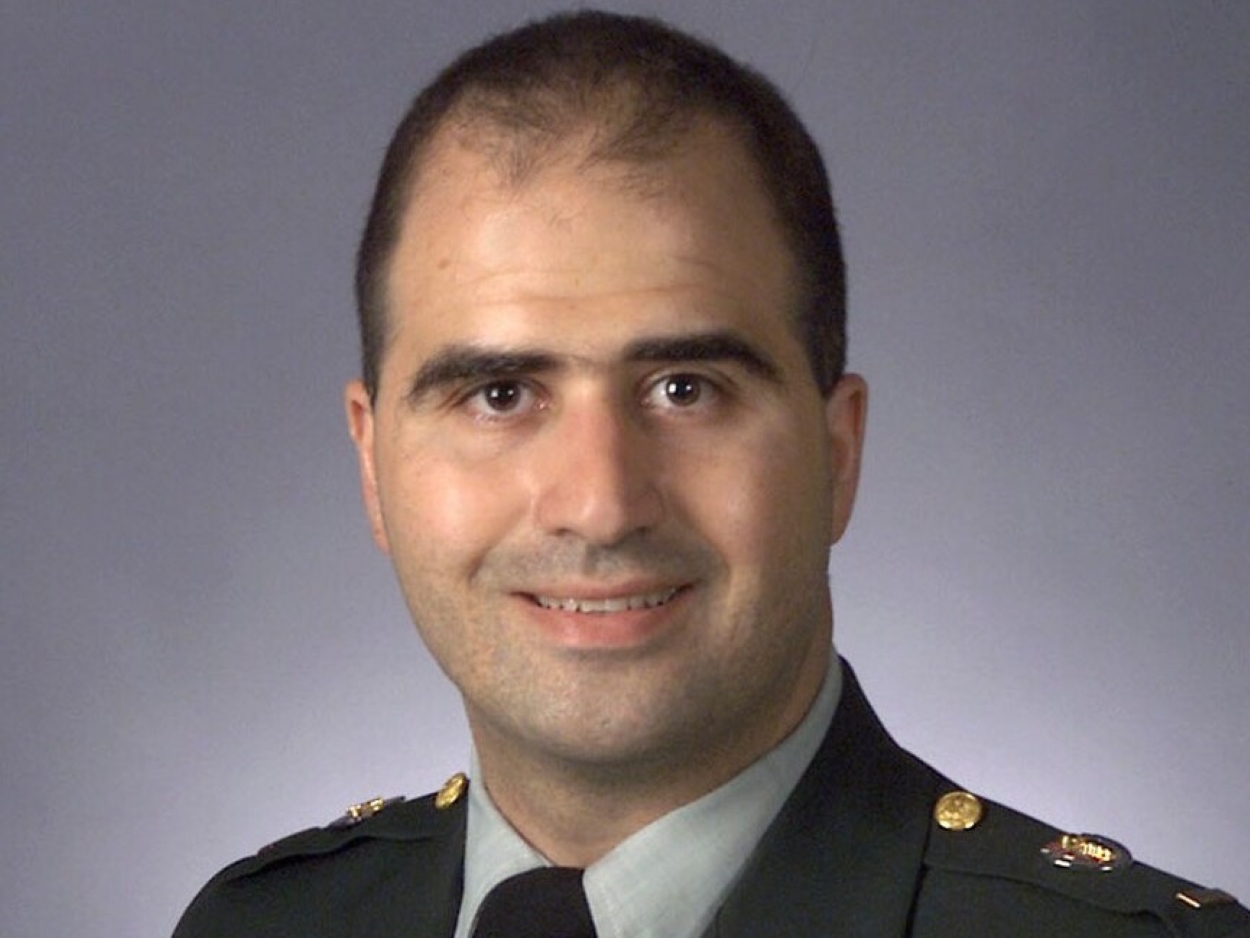
Nidal Malik Hasan in 2003. (Photo: Public Domain/Wikimedia)

New Delhi: The United States war department plans to livestream the firing-squad execution of Nidal Malik Hasan, the former US Army psychiatrist convicted of killing 13 people at Fort Hood, opening an unprecedented chapter in American capital punishment. Scheduled for December 3, the execution would be the first carried out by the US military in more than 65 years, provided no court intervenes.
The US Army’s official announcement places the execution at Fort Hood, Texas, at 1pm Central Standard Time – 12.30am IST on December 4. The acting secretary of the Army, Adam Telle, set the date on October 6 after the US president, Donald Trump, approved Hasan’s death sentence on October 2.
The Pentagon chief, Pete Hegseth, defended public viewing as a demonstration of the consequences of such an attack, saying people should be able to watch the punishment. A Pentagon official subsequently confirmed the livestream plan to Reuters, but said further details would follow.
Hasan, who held the rank of a major then, opened fire at the base’s soldier readiness processing centre on November 5, 2009, as troops underwent preparations for overseas deployments. Those killed included 12 serving soldiers and a retired soldier working as a civilian, while more than 30 people were wounded.
At his court martial, Hasan represented himself and acknowledged being the gunman, describing himself as someone who had switched sides. He was convicted of 13 counts of premeditated murder and 32 counts of attempted premeditated murder, sentenced to death in August 2013, and subsequently held at Fort Leavenworth, Kansas.
Hasan portrayed the attack as retaliation for US military operations against Muslims in Iraq and Afghanistan, and was himself due to deploy to Afghanistan shortly afterwards. Responding officers shot him during the attack, leaving him paralysed from the chest down.
If the broadcast proceeds with unrestricted public access, it would be the first openly livestreamed execution in US history and a return to publicly witnessed punishment after roughly nine decades. It would therefore be a first for contemporary America, although “postmodern America” is not a defined historical or legal category used to classify executions.
The execution generally identified as America’s last fully public one was the hanging of Rainey Bethea in Owensboro, Kentucky, on August 14, 1936. Thousands watched his death, although historians also note the partly public hanging of Roscoe Jackson in Missouri in 1937, making an unqualified claim about the last public execution less precise.
A restricted video transmission has occurred before: victims were permitted to watch Oklahoma City bomber Timothy McVeigh’s execution through closed-circuit television in 2001. That arrangement differed from an internet broadcast available to the general public, for which the Death Penalty Information Center says there is no established regulation or precedent.
The last US military execution took place on April 13, 1961, when Private John A. Bennett was hanged at Fort Leavenworth. He had been convicted of raping and attempting to murder an 11-year-old girl in Austria; his execution was punishment for those criminal offences, rather than a battlefield offence such as desertion.
The long interval since Bennett’s death does not mean the military abolished capital punishment, which remains part of its separate justice system. Its sentencing procedures were ruled unconstitutional in 1983 and revised in 1984, while presidential approval remains necessary before a military death sentence can be carried out.
Hasan’s scheduled execution also leaves practical questions unresolved, including the composition of the firing squad and the procedure it will follow. Officials had not disclosed those details, while military law experts raised concerns about compliance with notification and scheduling requirements.
The completion of military appeals does not necessarily end Hasan’s opportunities to challenge his detention and sentence in civilian federal courts. Such proceedings could delay the execution, meaning both the December date and the proposed public broadcast remain plans awaiting implementation.