
GE reveals it shipped four more Tejas engines in September as HAL seeks to recover lost time
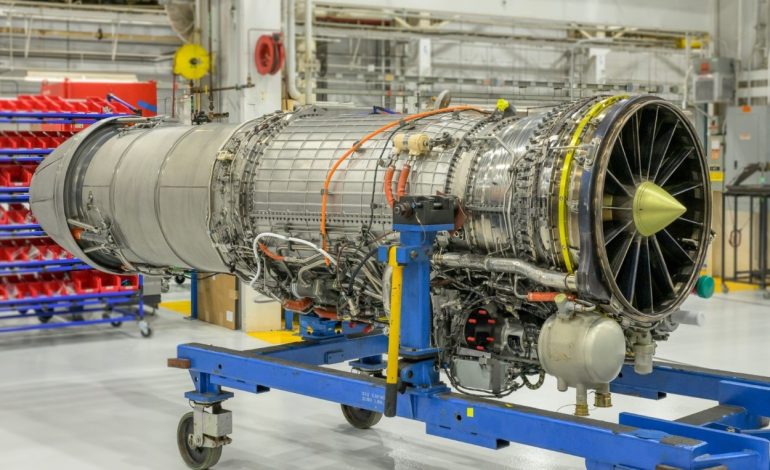
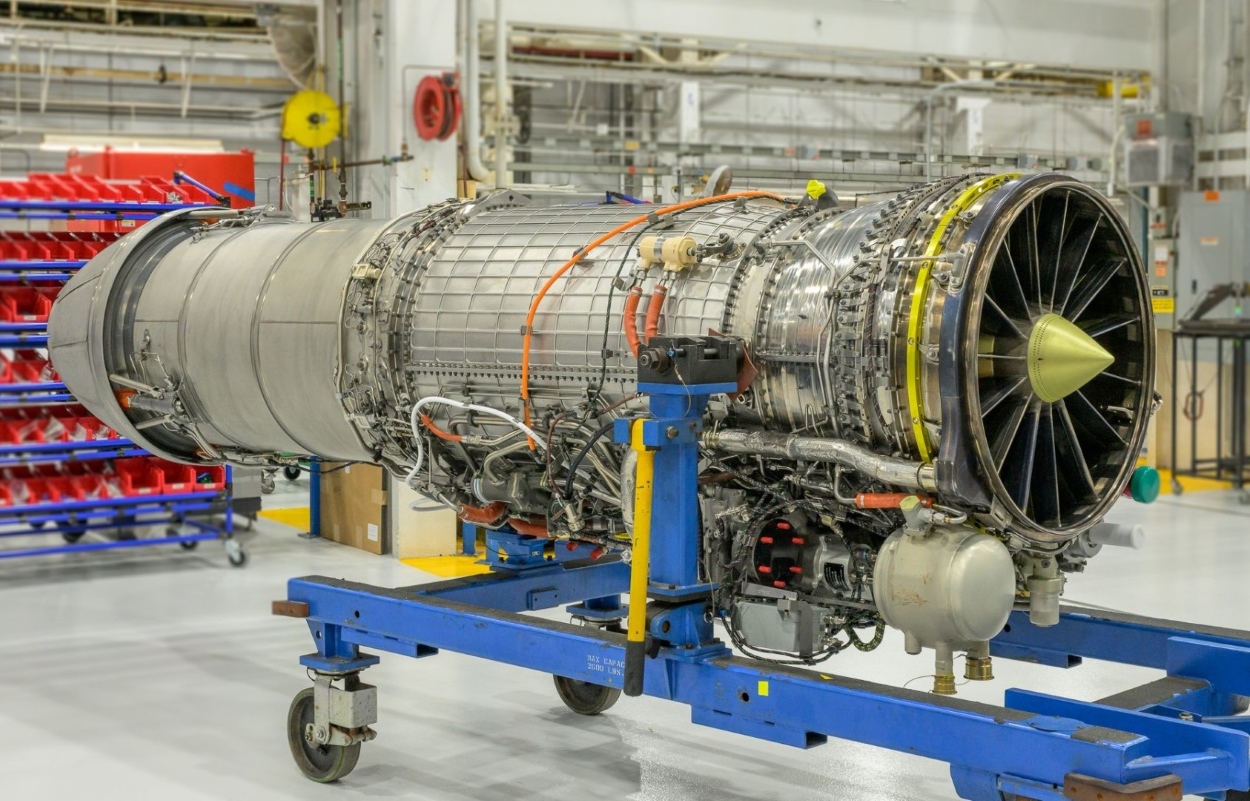
A GE F404-IN20 Engine. (Photo: GE)

New Delhi: GE Aerospace shipped four F404-IN20 engines for India’s Tejas fighter programme in September, increasing supplies of a critical component whose delayed availability has held up aircraft deliveries. The shipment follows three engines dispatched in August and gives Hindustan Aeronautics Limited (HAL) more propulsion units as it works to accelerate the Tejas-Mk1A programme for the Indian Air Force.
With September’s four engines, the total number of F404-IN20 engines supplied by GE stands at 14, as of now.
Confirming the September dispatch to ANI on Wednesday, a company spokesperson said GE remained focused on supplying the engines required for India’s indigenous fighters. The statement reaffirmed its partnership with HAL and the Air Force but did not announce a revised timetable for completing the outstanding engine deliveries.
The successive shipments indicate an improvement in the monthly supply rate, although two months of deliveries do not establish that the production backlog has been overcome. The former HAL chairman, DK Sunil, said in April that GE had assured the company of 20 engines between June and December this year.
The engines are being supplied against HAL’s 2021 order for 99 F404-IN20 units and associated support services, valued at $716 million. In its original contract announcement, GE committed to completing the engine and support deliveries by 2029.
However, the first engine under that order was delivered only on March 25, 2025, following difficulties in restarting production. GE has attributed those difficulties to rebuilding a manufacturing line that had been dormant for five years and reconnecting its global supplier network during the Covid-19 pandemic.
On production restart, GE said it had supplied 65 F404-IN20 engines to HAL by 2016, after which the absence of further orders led to the line’s closure. The subsequent 99-engine order therefore required the company to restore production capacity and secure the parts and materials needed to sustain it.
For HAL, a predictable flow of engines is essential to turning aircraft production into regular deliveries, because each single-engine Tejas requires an available powerplant before it can complete the necessary flying and acceptance process. Nevertheless, an engine dispatch cannot by itself be treated as an aircraft handover: installation, systems integration, testing and customer acceptance remain separate stages.
The Tejas-Mk1A is intended to provide improved combat capabilities within the existing light-fighter programme, with the defence ministry identifying an active electronically scanned array radar, beyond-visual-range missile capability, an electronic warfare suite and air-to-air refuelling among its principal features. The 2021 procurement approval covered 73 Tejas-Mk1A fighters and 10 Tejas-Mk1 trainers, a distinction often obscured when the entire 83-aircraft package is described as a Mk1A order.
The requirement has since expanded substantially, making sustained engine availability important beyond the immediate delivery backlog. On September 25, 2025, the defence ministry signed a further contract for 97 Tejas-Mk1A aircraft, comprising 68 fighters and 29 twin-seaters, at a cost exceeding ₹62,370 crore, excluding taxes.
To support that additional aircraft order, HAL signed a separate agreement on November 7, 2025, for 113 F404-IN20 engines and a support package. Deliveries under this follow-on engine contract are scheduled between 2027 and 2032, extending the supply relationship well beyond the current consignments.
Alongside new-engine procurement, GE and the Air Force are working to strengthen maintenance support within India. Under an agreement announced on April 13, the Air Force will establish, own and operate an F404-IN20 repair and overhaul depot, with GE supplying technical assistance, training, spares and specialized equipment.
GE says the depot, once operational, will reduce dependence on overseas repair centres and shorten engine turnaround times. The September shipment addresses the immediate need for additional powerplants; reliable production and domestic maintenance capacity will both be necessary to support the expanding Tejas fleet.