
India-US trade talks reach ‘plateau’ as room for further concessions narrows, Nirmala Sitharaman says
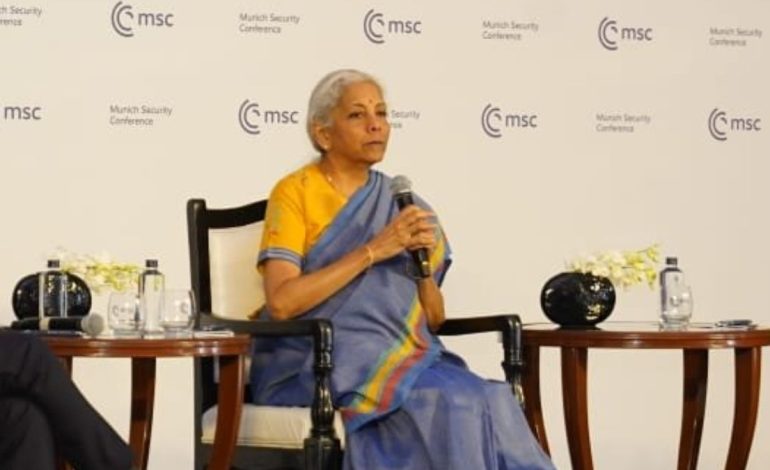
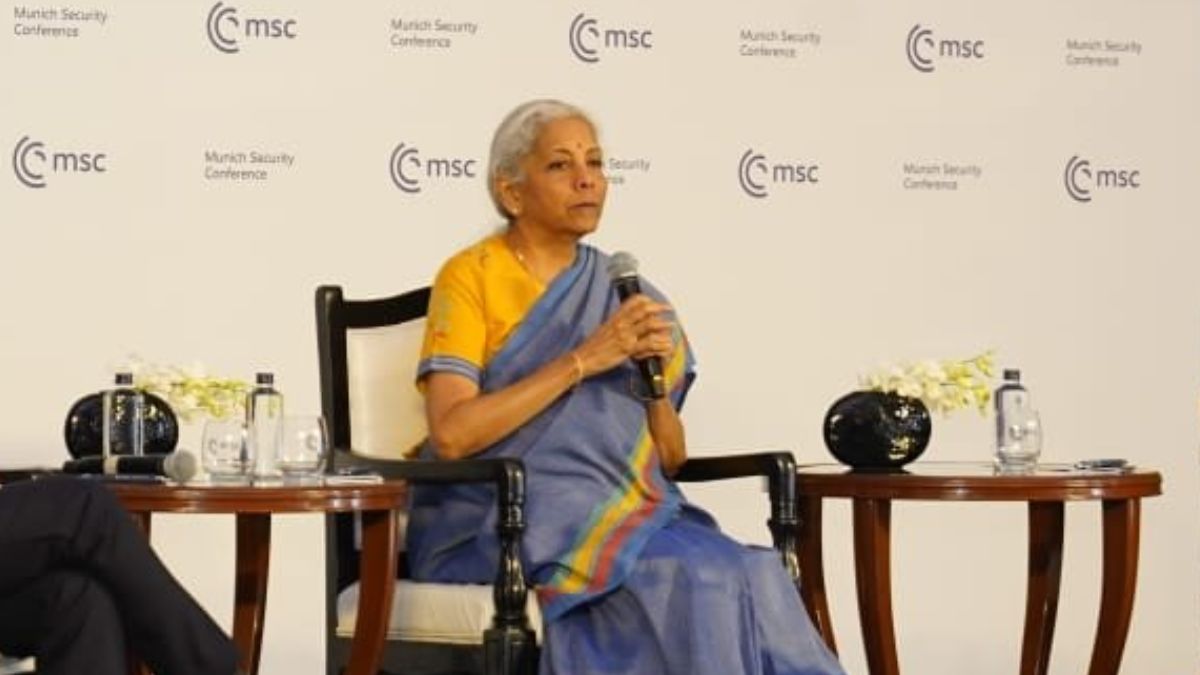
Finance minister, Nirmala Sitharaman, at the Munich Leaders Meeting 2026 in New Delhi. (Image courtesy: X/@nsitharamanoffc)

New Delhi: India-US trade negotiations remain underway but both sides may have reached a point where further concessions are increasingly difficult, the finance minister, Nirmala Sitharaman, said on Monday. Speaking at the Munich Leaders Meeting 2026 in New Delhi, she said there could still be room for additional negotiations despite what she described as a “plateau”.
“Both sides have reached a plateau beyond which giving or taking might be very, very difficult,” Sitharaman said. She described the proposed agreement as “hard and very vigorously negotiated”, adding that Washington wanted to reduce a bilateral trade imbalance that it believes has accumulated over several years, although both sides could still examine whether room remained for further negotiations.
Commerce ministry data for April-August 2026 show India exported goods worth $42.79 billion to the US and imported $28.09 billion. The US remained India’s largest export destination during the period.
The talks were launched in February 2025, while the two countries announced a framework for an interim trade agreement in February this year. That framework kept negotiations open on wider market access, tariff and non-tariff barriers and other issues rather than amounting to a final comprehensive bilateral trade agreement.
India has sought greater access to the US market while protecting sensitive sectors at home. Agriculture and dairy have been among the most difficult areas in the negotiations, with New Delhi resisting concessions it says could affect farmers and domestic producers.
Sitharaman contrasted the difficult US negotiations with India’s trade agreement with the European Union, which she described as the “mother of all deals”, borrowing a phrase used by the European commission president, Ursula von der Leyen. She said the pact covers economies accounting for about two billion people and roughly a quarter of global GDP, with India opening 92.5 per cent of its tariff lines and about 97 per cent of trade value, while the EU opened around 97 per cent of tariff lines and about 99 per cent of trade value.
The commitments, she said, were chosen on the basis of economic complementarity while ensuring that India’s competitiveness was not adversely affected.
Sitharaman also criticized the expanding use of tariffs to correct trade imbalances, saying they were increasingly being “weaponized”. Drawing an analogy with India’s large deficit with China, she argued that such imbalances had traditionally been addressed through negotiation and reciprocal give and take rather than tariffs alone.
The negotiations have become more complicated after a US law gave the president, Donald Trump, authority to impose tariffs of up to 100 per cent on countries buying significant volumes of Russian oil. The legislation does not itself impose a 100 per cent tariff on India.
India is among the world’s largest crude importers, making energy sourcing a broader economic consideration alongside the trade talks. Any significant shift in supply could affect fuel costs and government finances, while continued Russian purchases could expose Indian exports to additional US measures.
The US side has also signalled that significant issues remain unresolved. The US trade representative, Jamieson Greer, said after meeting the commerce and industry minister, Piyush Goyal, last week that an agreement was “not imminent”, while officials from both countries continued work on the principal sticking points.