
Trump-Xi White House visit in pictures: Elon at dinner table, Xi laughs at ‘Autopen Biden’ display photo
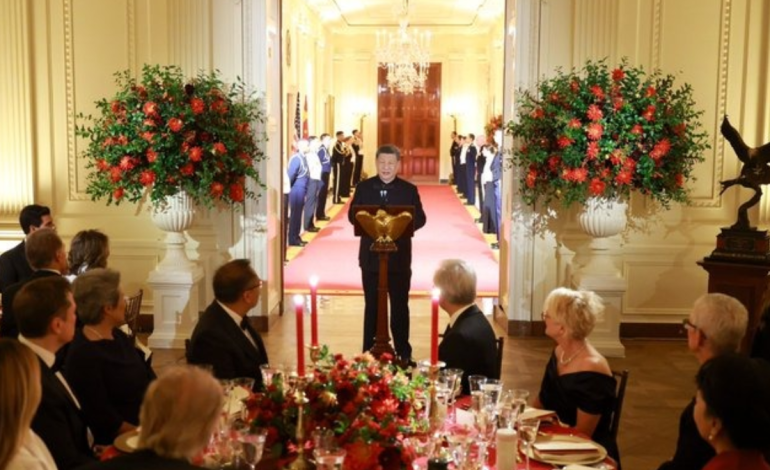
Trump-Xi White House visit. (Image courtesy: X/@ChineseEmbinUS)

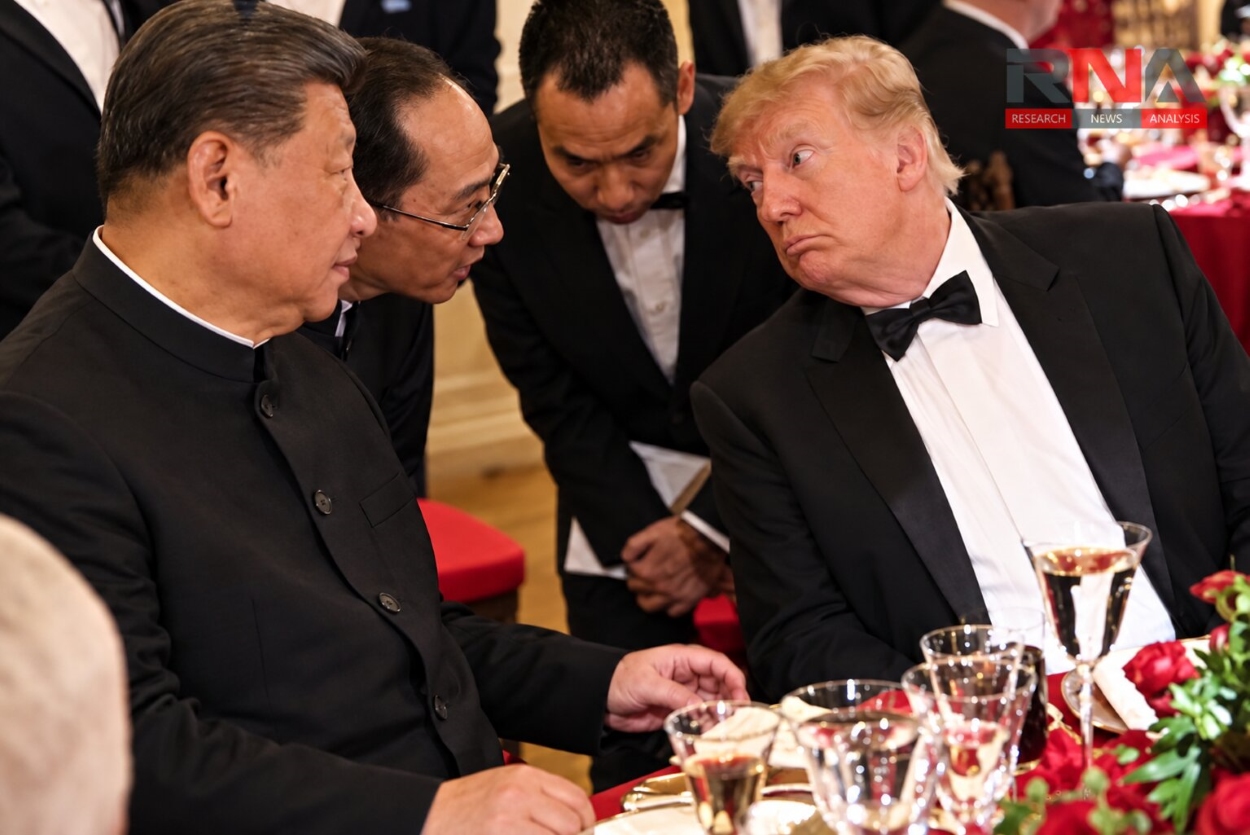
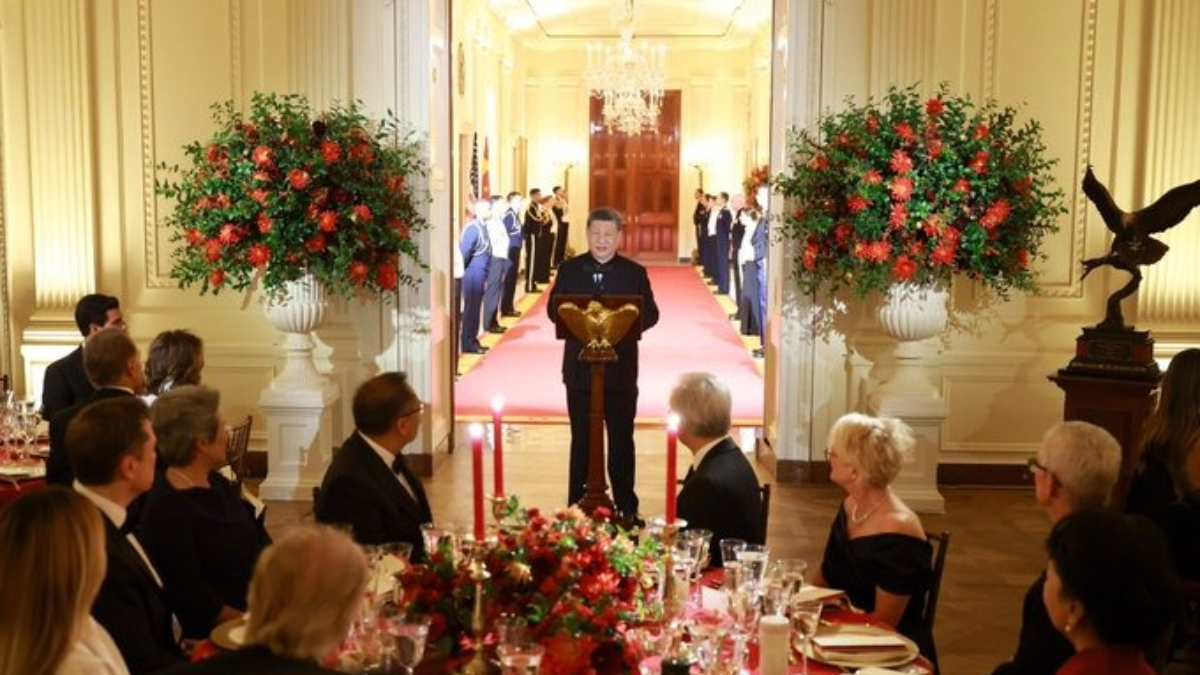
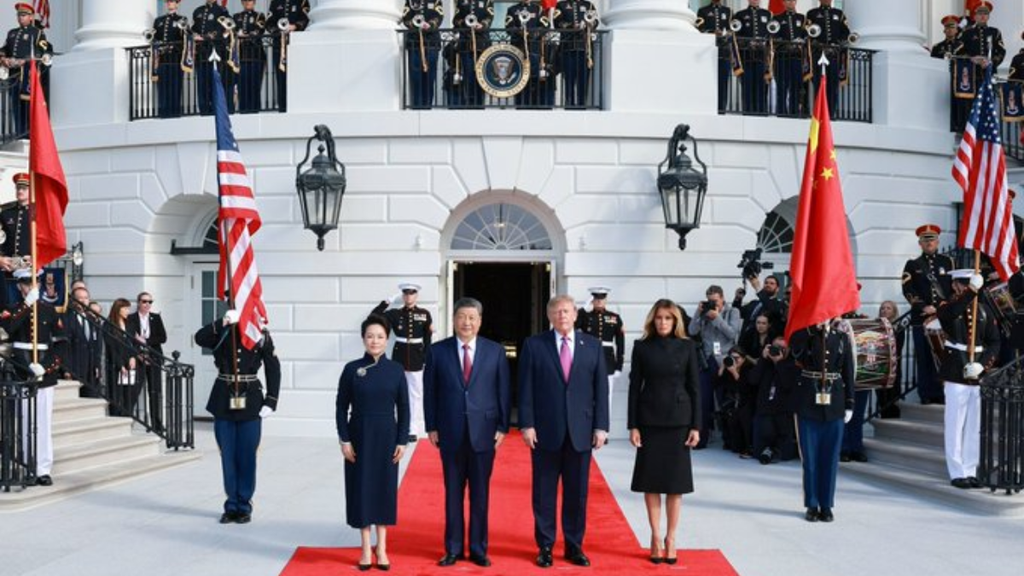
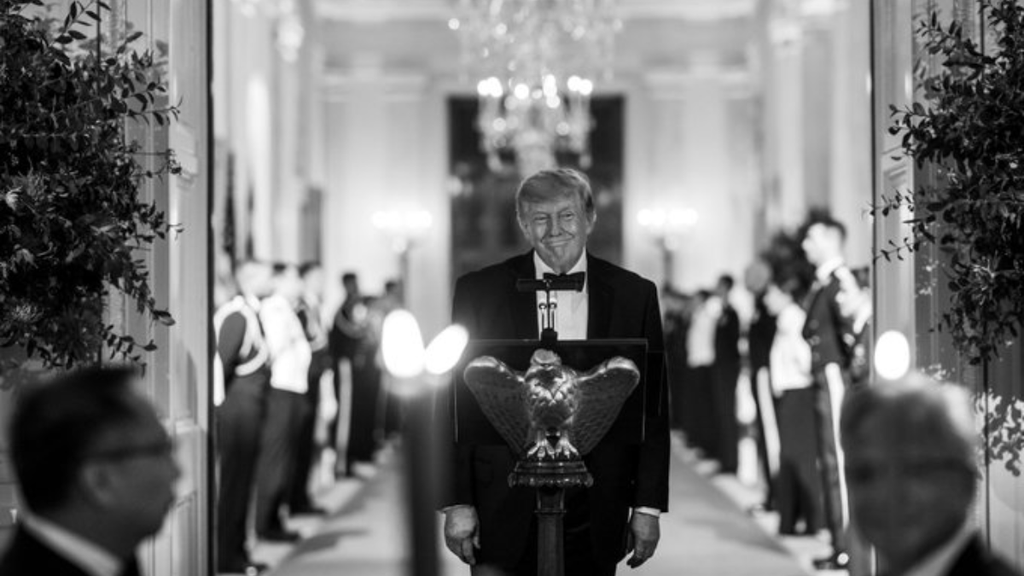
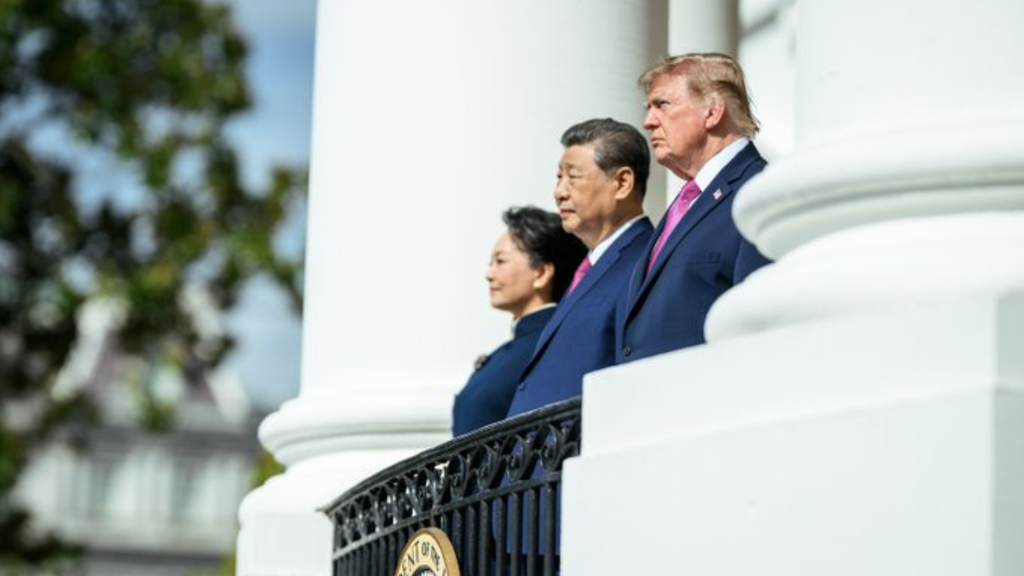
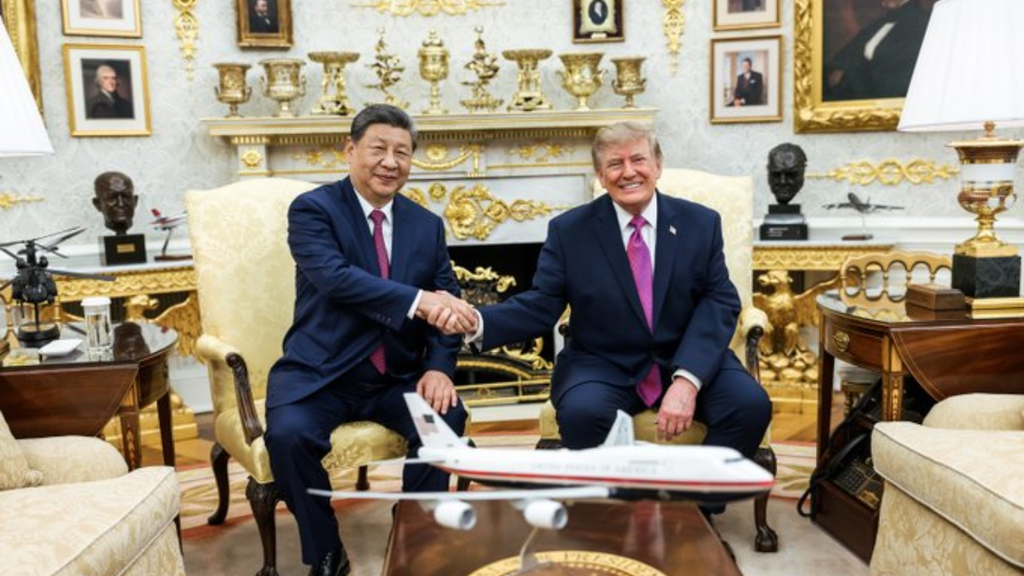
New Delhi: A bald eagle sculpture became one of the striking images from the Chinese president, Xi Jinping, White House visit as the United States president, Donald Trump, hosted his Chinese counterpart for a high-profile engagement combining ceremony, diplomacy and carefully staged moments. The bald eagle, presented as a symbol of the US, featured during the state dinner hosted for Xi and his wife, Peng Liyuan. Trump presented Xi with an eagle sculpture and said he hoped the gift would eventually have a place in Beijing.
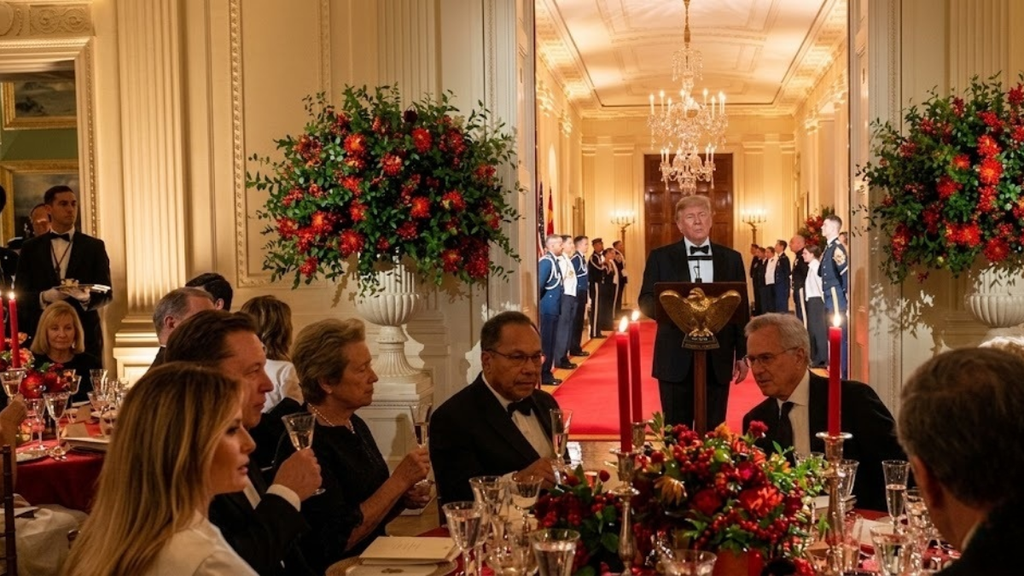
The state dinner brought together Trump, Xi and their spouses alongside prominent figures from politics, business and technology. Elon Musk, the entrepreneur behind Tesla and SpaceX, joined Trump and Xi at the dinner table, while Nvidia chief Jensen Huang, Apple CEO Tim Cook and other technology leaders were also among the guests.
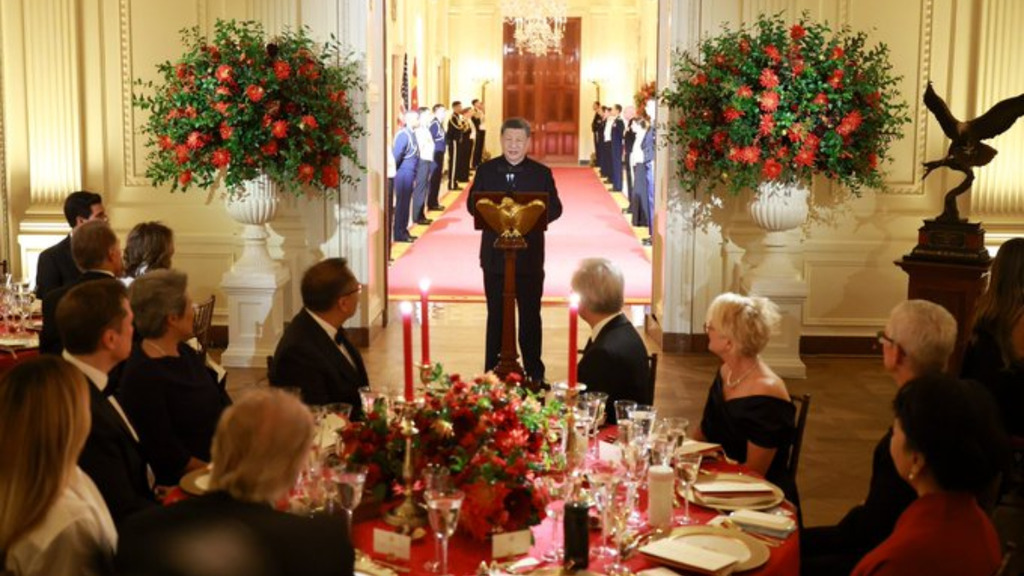
The evening also reflected the growing importance of technology in the relationship, with artificial intelligence featuring among the issues discussed by Trump and Xi. The dinner menu combined American ingredients with Chinese influences, while the décor incorporated elements reflecting Chinese culture.
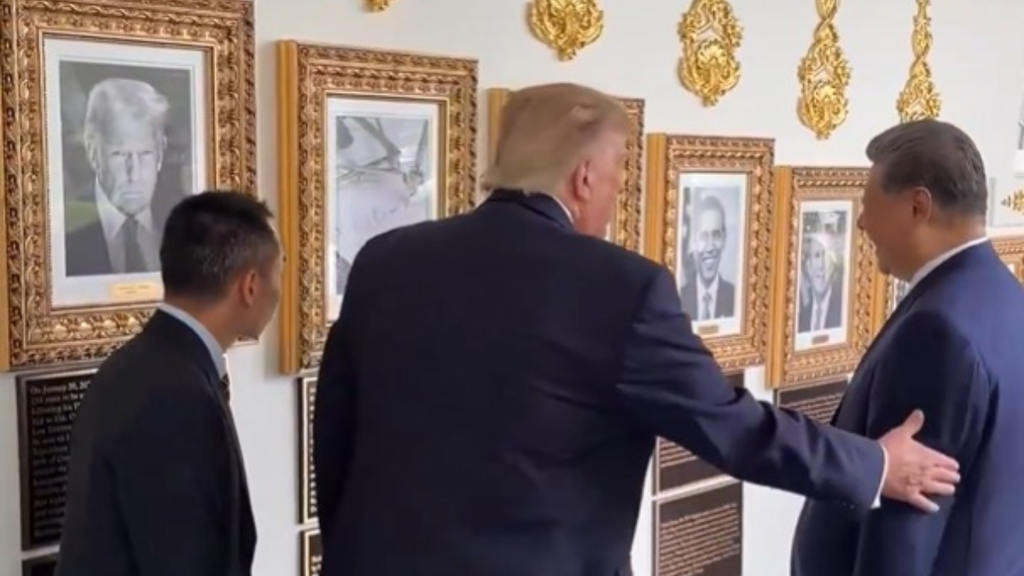
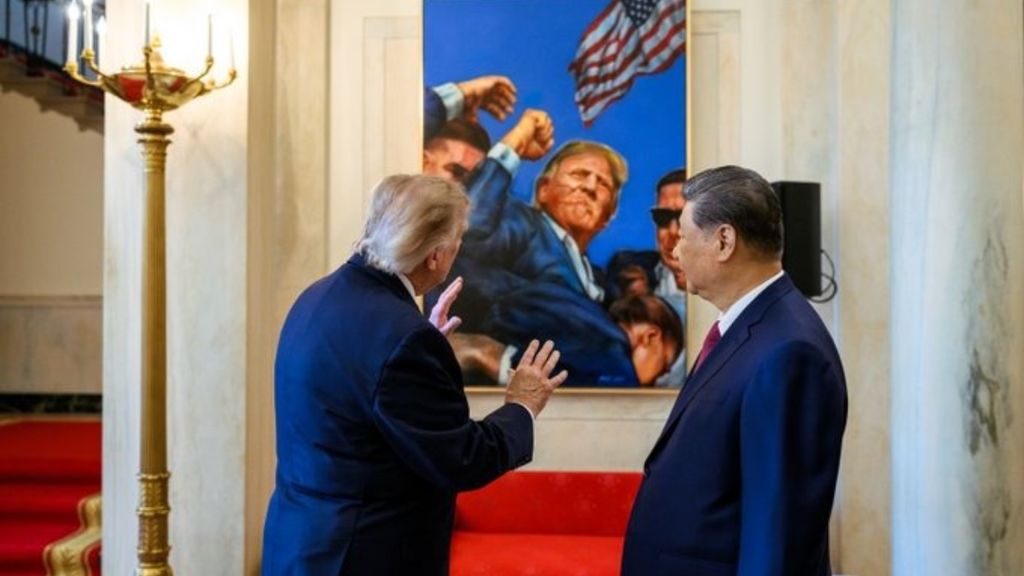
Away from the dinner, another unusual moment came during a tour of the White House, Trump pointed to Biden’s spot on the presidential walk of fame, where an image of an autopen replacing Biden’s portrait was displayed. Xi appeared to laugh as Trump showed him the unusual display.
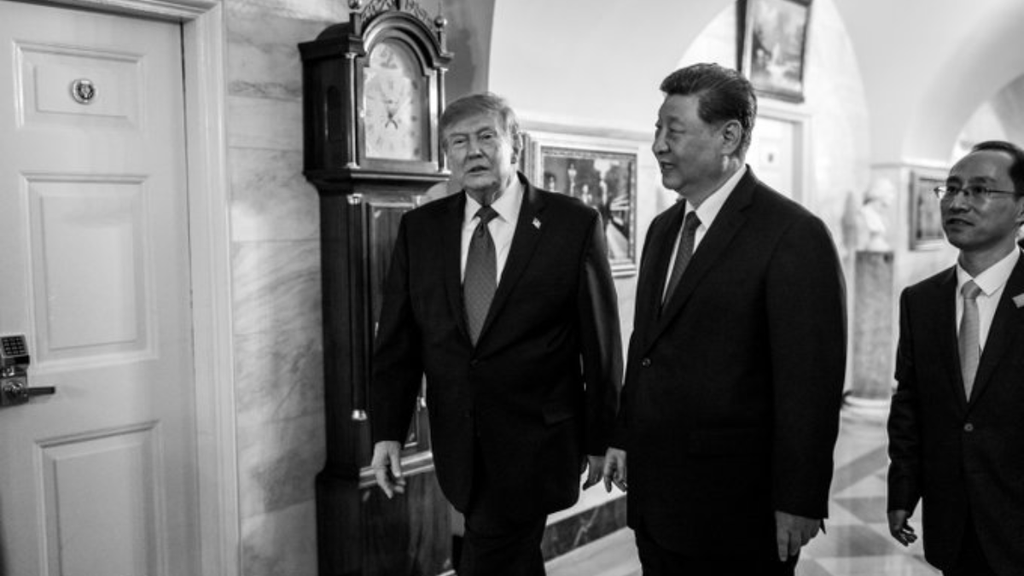
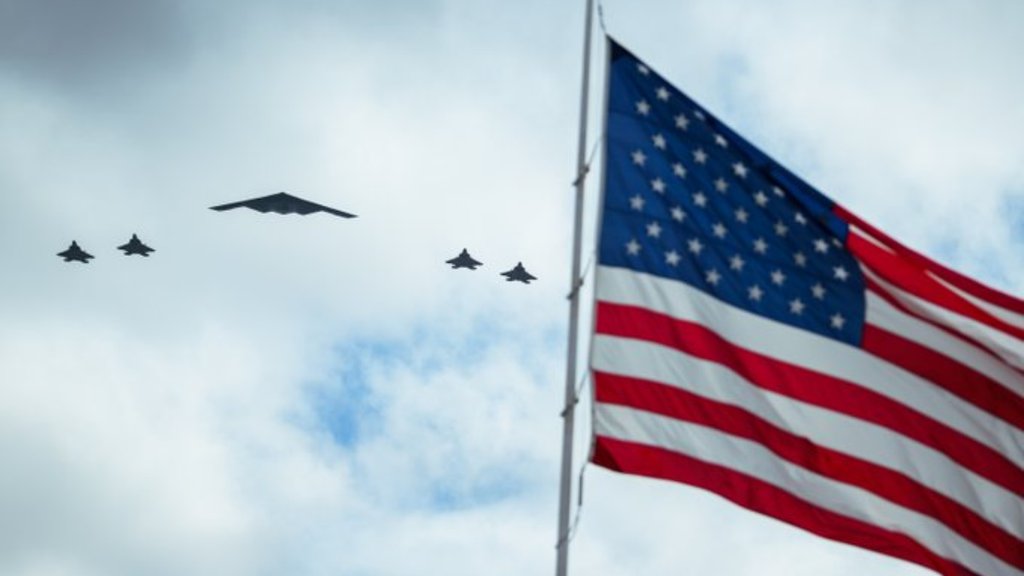
Trump also showed Xi parts of the White House and its newly redesigned areas, including Marine One and the new presidential helipad following their discussions. The White House programme featured military performances and an aerial display, adding to the elaborate nature of the visit.
Behind the ceremony, trade produced the clearest immediate development. The United States and China agreed to extend their existing trade truce by two months, giving negotiators additional time to work through unresolved economic issues.
The extension leaves disputes over tariffs, Chinese purchases of American agricultural products, rare-earth supplies and technology restrictions open for further negotiations. RNA Media had earlier reported that the arrangement was due to expire on November 10 and that implementation of some commitments announced after Trump’s Beijing visit had remained uneven.
Taiwan remained another major point of disagreement. Xi urged Washington to handle the issue cautiously and reiterated Beijing’s opposition to Taiwanese independence, according to China’s official account of the talks.
Xi also called for regular military communication and stronger mechanisms to prevent disagreements between the two countries from escalating into wider security crises. He argued that both sides had an interest in avoiding confrontation.
Artificial intelligence was another key subject. Xi said AI development should remain under human control and serve public welfare, while Trump has opposed additional guardrails for the technology.
RNA Media had also earlier reported that the summit came amid differences over the Iran war. Chinese state broadcaster CCTV said Xi supported returning to an interim agreement as a possible route towards ending the conflict, adding another layer to the discussions between Washington and Beijing.