
IRGC warns of new weapons, targets if US launches fresh attack
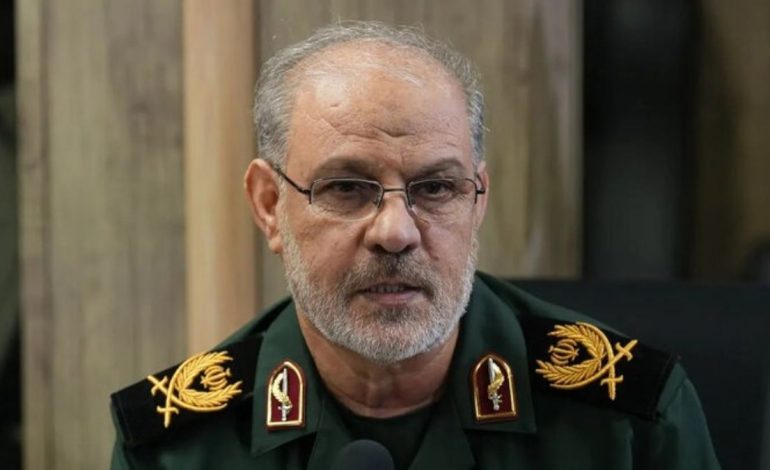
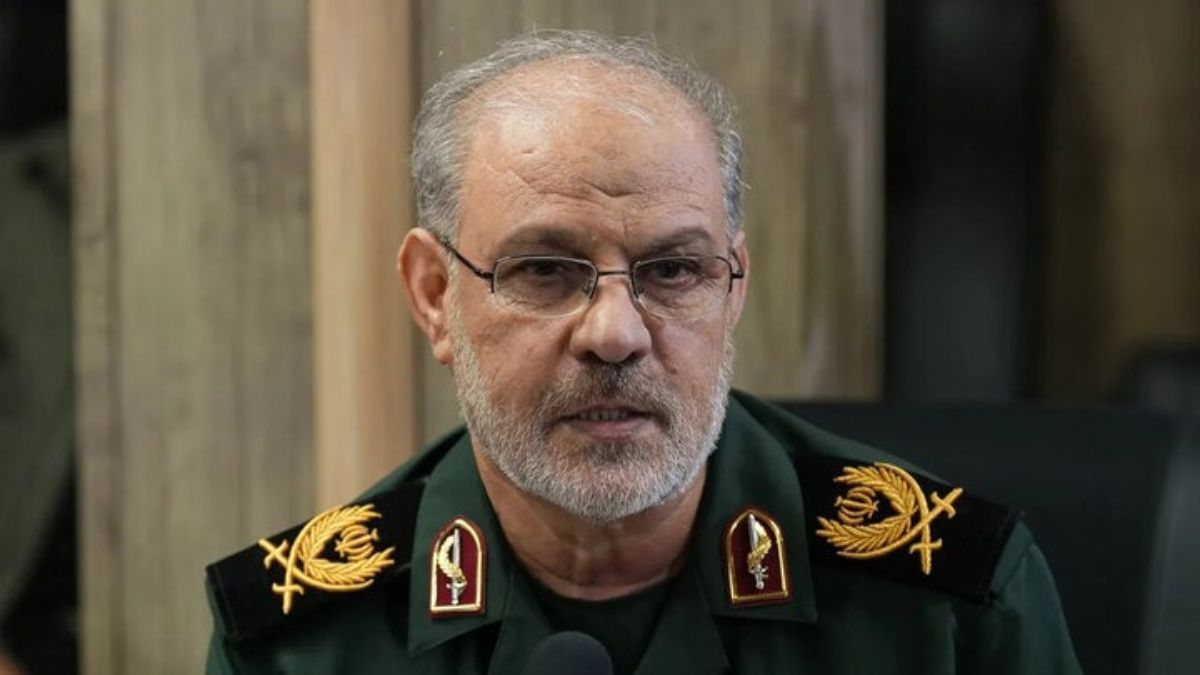
IRGC spokesman Brigadier General Hossein Mohebbi. Image courtesy: X.com/@MarioNawfal

New Delhi: Iran’s Islamic Revolutionary Guard Corps (IRGC) has warned that any fresh US attack would lead to significant changes in Tehran’s defensive and counteroffensive operations, including the weapons used, the geography of the conflict and the targets selected. The IRGC has not disclosed what the new weapons are or identified the additional targets.
The IRGC spokesman, Brigadier General Hossein Mohebbi, said Iran would introduce weapons and military equipment with “new capabilities” and target locations that had not previously been attacked. He also said Tehran was prepared for a prolonged conflict but provided no technical specifications or details on whether the systems had already been deployed.
Iranian state media quoted Mohebbi as saying Iran would introduce new weapons and military equipment with new capabilities that would leave the world “astounded”. He also said any fresh attack would lead Iran to change the geography of the conflict and its weapons.
As RNA Media reported earlier, the warning comes amid renewed military exchanges between Washington and Tehran. US president, Donald Trump, on Sunday called on Iran to reach a deal and said he would be open to meeting Iranian president, Masoud Pezeshkian, during the UN general assembly in New York. Iran’s military, meanwhile, has warned that another attack would trigger sustained retaliation against US bases and interests in the region.
The current conflict began with US and Israeli strikes on Iran on February 28. An interim ceasefire agreement reached in June broke down in July and there is still no agreement on restoring it, although intermittent contacts aimed at ending the conflict continue.
Iran’s missile capabilities remain another focus. The Wall Street Journal reported earlier this month that Tehran had resumed limited ballistic missile production using existing components at underground facilities. There is no evidence that those systems are the weapons referred to by Mohebbi.
The conflict continues to disrupt shipping through the Strait of Hormuz, which handled about a fifth of global oil and liquefied natural gas flows before the war. Only 12 trackable commodity vessels crossed the strait over the weekend, compared with around 125 large commercial vessels a day before the conflict.