
Bangladesh tribunal sentences 7 Awami League leaders to death over 2024 uprising
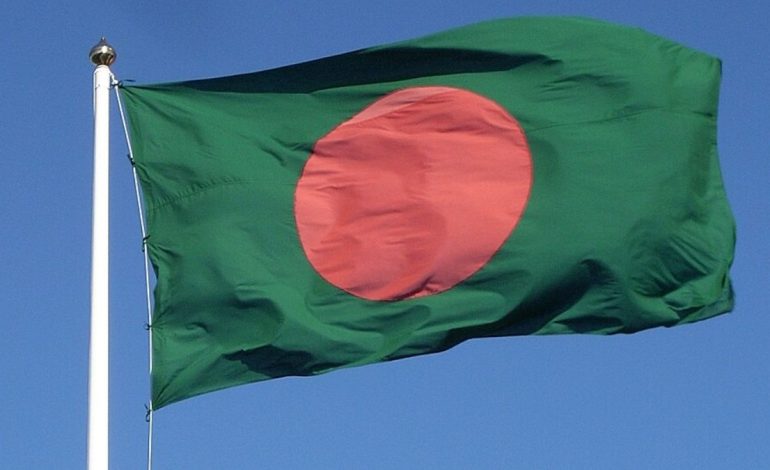
The national flag of Bangladesh. Image courtesy: Wikimedia Commons

New Delhi: Bangladesh’s International Crimes Tribunal-2 on Tuesday sentenced seven senior Awami League leaders and figures from its affiliated organizations to death in a “crimes against humanity” case linked to violence during the July-August 2024 uprising that brought down Sheikh Hasina’s government. All seven were tried in absentia after being declared fugitives, with state appointed lawyers representing them during the proceedings.
ANI reported that the three-member International Crimes Tribunal-2, headed by Justice Nazrul Islam Chowdhury, sentenced the Awami League general secretary, Obaidul Quader; the joint general secretary, AFM Bahauddin Nasim; the former state minister for information and broadcasting, Mohammad Ali Arafat; the Jubo League leader, Sheikh Fazle Shams Parash; the Jubo League general secretary, Mainul Hossain Khan Nikhil; the Chhatra League president, Saddam Hossain; the Chhatra League general secretary, Sheikh Wali Asif Inan, to death after finding them guilty in the crimes against humanity case linked to the 2024 uprising.
Prosecutors had accused the seven of directing, inciting, facilitating or otherwise participating in efforts to suppress the uprising. The charges included murder, attempted murder, torture, other inhumane acts, abetment, incitement and conspiracy. The tribunal convicted them after a trial in which two state appointed defence lawyers represented the absent accused.
The case had moved to trial after charges were framed in January. Prosecutors sought the maximum punishment during closing arguments in August, while the defence contested the prosecution case before the tribunal reserved its judgement.
Uprising and Hasina’s fall
The 2024 protests began over demands to reform Bangladesh’s government-job quota system before expanding into a wider anti-government movement. Sheikh Hasina’s government fell on August 5, 2024, and she subsequently left Bangladesh for India.
A UN human rights fact-finding report released in February 2025 estimated that as many as 1,400 people may have been killed between July 1 and August 15, with thousands injured. It said the vast majority of those killed were shot by Bangladesh’s security forces.
The former prime minister, Sheikh Hasina, was separately sentenced to death in absentia on November 17, 2025 after the tribunal convicted her of crimes against humanity linked to the crackdown. As RNA Media reported, the tribunal’s findings included incitement, ordering killings and failure to prevent atrocities. Hasina rejected the verdict as politically motivated.
International rights groups have raised broader concerns over due-process safeguards at the tribunal. Human Rights Watch said in July that in absentia trials lacked protections including defendants’ ability to choose lawyers and adequate time to prepare a defence, while also stressing the need for accountability for serious abuses.
The Awami League’s political activities remain prohibited under a May 2025 government notification pending tribunal proceedings against its leaders and activists. Bangladesh’s high court dismissed a challenge to the restrictions on September 13 on procedural grounds, leaving the ban in place.