




Trump’s new rules for mail in ballots blocked by US supreme court ahead of midterms
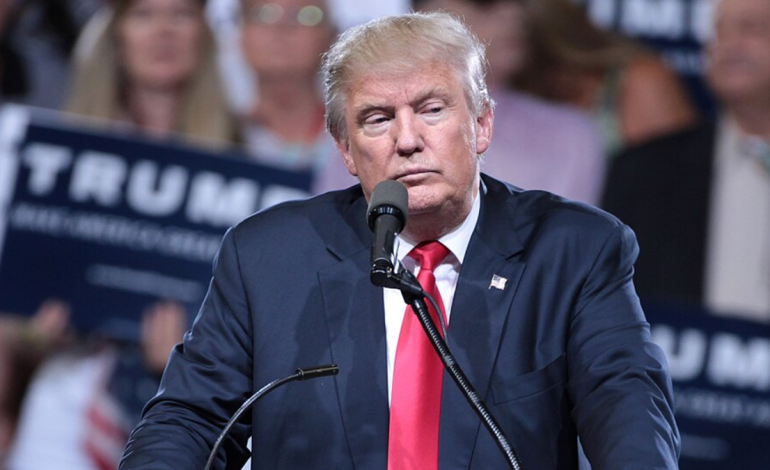
Trump’s new rules for mail in ballots blocked by US supreme court. (Image courtesy: Wikimedia)

New Delhi: The US supreme court has blocked the United States president, Donald Trump, attempt to enforce new restrictions on mail in ballots, dealing a setback to his administration’s efforts to tighten voting by mail rules ahead of the November midterm elections. The conservative majority court on Monday refused to lift an order that had stopped the US postal service from enforcing the new rules.
The new rules would have required states to give the postal service a list of people who were supposed to receive mail in ballots. States would also have had to use ballot envelopes that had been approved by the postal service.
Under the rules, the postal service could refuse to process a ballot if it did not meet the new requirements or if the voter was not on the list provided by the state. Critics warned that the rules could disrupt the delivery of valid ballots and affect people who depend on voting by mail.
The postal service adopted the rules after Trump signed an executive order in March seeking to tighten requirements for mail in voting. The administration said the new policy would help protect the postal system from being used for voter fraud.
US district judge, Indira Talwani, blocked the postal service rules, saying they were likely unconstitutional and could be difficult to implement because the midterm elections were approaching. The Trump administration then asked the US supreme court to allow the rules to take effect while the legal challenge continued.
The administration argued that the policy was an important federal measure to protect election mail and help detect voter fraud. The supreme court had already considered Trump’s executive order in August and temporarily allowed it to move forward on procedural grounds, but did not decide whether the order was legal.
In its latest decision, the supreme court said the administration was “unlikely to succeed on the merits” of its challenge to the lower court order. The decision means the postal service cannot enforce the new ballot requirements for now.
The justices Samuel Alito and Clarence Thomas disagreed with the decision and said they would have allowed the rules to take effect. Alito argued that some of the plaintiffs did not have legal standing and described the remaining challenge as a “Hail Mary pass”, the New York Times reported.
Alito also said the postal service has broad authority under federal law to regulate mail. He compared the new ballot requirements with other conditions for sending mail, such as providing a recipient’s address and affixing a stamp.
Alito acknowledged concerns about implementing the rules so close to the election but said those concerns were not enough to block the policy. He also criticized the supreme court’s earlier handling of the case, saying the delay had contributed to the limited time available to implement the rules.
The postal service published the final rule on August 21 after waiting for the supreme court to act. The administration had earlier said it wanted the final rule to be issued by early or mid-August so there would be enough time for implementation.
The latest ruling came as states were already preparing for the November midterm elections. Alabama, North Carolina and Wisconsin have begun sending ballots to voters, while Democratic led states and voting rights groups have warned that the restrictions could cause confusion and affect voters who rely on mail in voting.
Trump has repeatedly questioned the security of voting by mail and made claims of widespread election fraud without evidence. He has also voted by mail himself, including during the 2024 election.
The Supreme Court’s decision is a victory for Democratic led states and voting rights groups that challenged the rules. However, the wider legal dispute over Trump’s mail voting policy is still continuing.