
India, Sri Lanka sign 3 defence pacts, boost military ties with new equipment
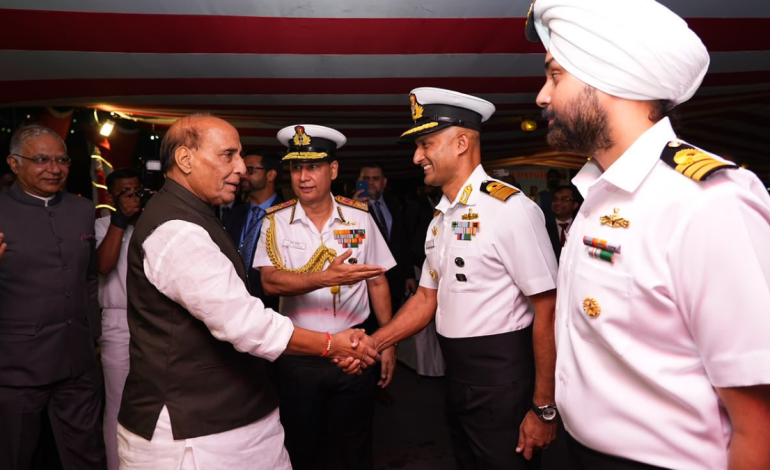
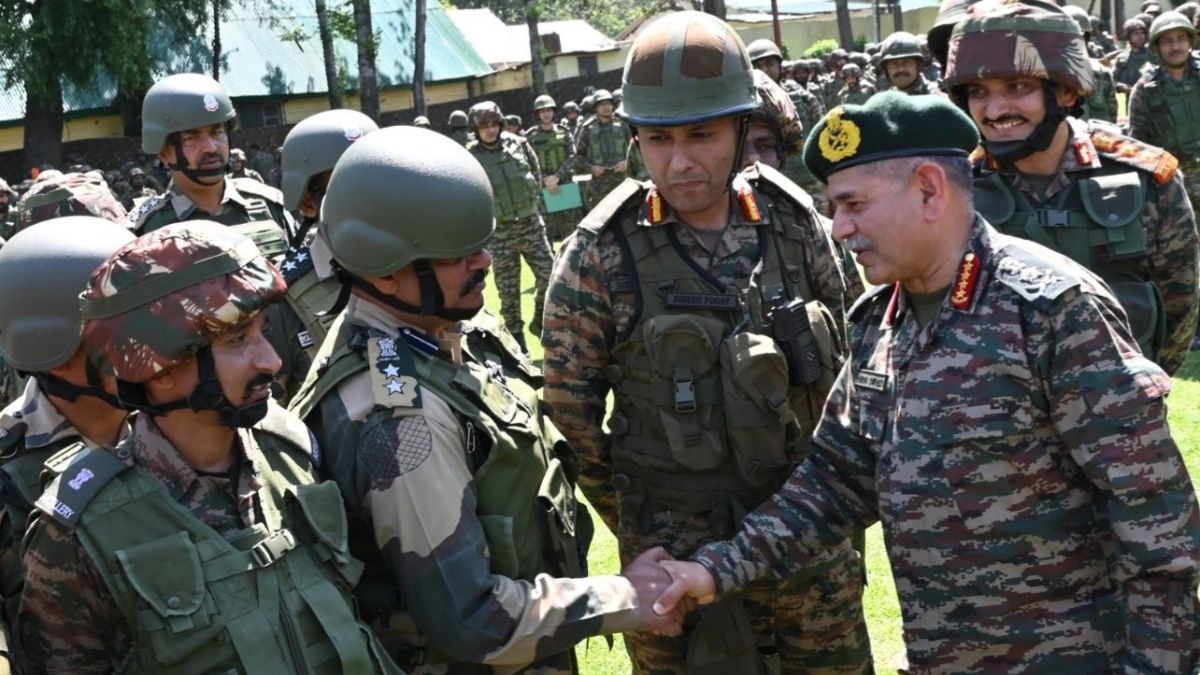
India, Sri Lanka sign 3 defence pacts. (Image courtesy: X/@rajnathsingh)

New Delhi: India and Sri Lanka have signed three agreements aimed at strengthening defence cooperation, upgrading military capabilities and expanding institutional ties between the two countries. The agreements were exchanged during the defence minister, Rajnath Singh, meeting with Sri Lankan president, Anura Kumara Dissanayake, in Colombo on Wednesday.
The first agreement focuses on the modernization and upgrading of L70 gun systems for the Sri Lanka Air Force. The move is aimed at strengthening the operational capabilities of the Sri Lankan armed forces and adds to India’s ongoing defence support to its maritime neighbour.
The other two agreements seek to deepen defence-related institutional cooperation. One provides for academic cooperation between India’s National Defence College and Sri Lanka’s National Defence College, while the third establishes bilateral cooperation between the Sri Lanka Cadet Corps and the Indian Cadet Corps.
The defence agreements were discussed against the backdrop of wider efforts to strengthen maritime and regional security cooperation. Singh stressed that India and Sri Lanka need to work more closely on maritime security, particularly as both countries share the Indian Ocean and face common challenges linked to illegal fishing, narcotics trafficking, smuggling, terrorism and other maritime threats.
During his meeting with Dissanayake, the two sides also discussed the growing threat of drug trafficking in the Indian Ocean. The Sri Lankan president said the region had become a hub for narcotics movement and sought India’s support in tackling the problem, while also expressing confidence that Sri Lankan drug traffickers imprisoned in India could be brought back to Sri Lanka.
Maritime cooperation emerged as another key outcome of the visit, with India proposing closer coordination between the two countries’ navies, coast guards and other agencies. The two sides are also looking at stronger cooperation in maritime domain awareness, search and rescue, counter-narcotics, anti-piracy and human trafficking.
India also handed over spares for the Indra MK-2 radar used by the Sri Lankan Air Force, spares for Sri Lanka Navy ship Sayura and inflatable targets to Sri Lankan officials during a deck reception onboard INS Udaygiri at Colombo port. The equipment is intended to support the capability and capacity of the Sri Lankan armed forces.
The two countries also agreed to build on existing cooperation through joint exercises, capacity building and the sharing of operational experience. Singh called for joint protocols and closer coordination to ensure that emerging maritime threats can be addressed before they develop into larger security challenges.
The visit also produced a concrete infrastructure outcome linked to Sri Lanka’s disaster recovery. India and Sri Lanka jointly inaugurated three Bailey bridges built with Indian assistance in Kurunegala and Batticaloa districts to restore road connectivity damaged by Cyclone Ditwah.
The agreements and decisions taken during Singh’s visit mark an effort to move India-Sri Lanka defence ties beyond traditional military cooperation towards a broader partnership covering defence modernization, military education, cadet training, maritime security, disaster response and regional stability.
Singh said India and Sri Lanka, as close maritime partners, are well positioned to jointly safeguard peace, security and stability across the Indian Ocean Region. He also reaffirmed India’s commitment to playing a constructive and dependable role in its neighbourhood.