
Iran plans Hormuz exclusion zone as US denies ship strike, tanker traffic slumps
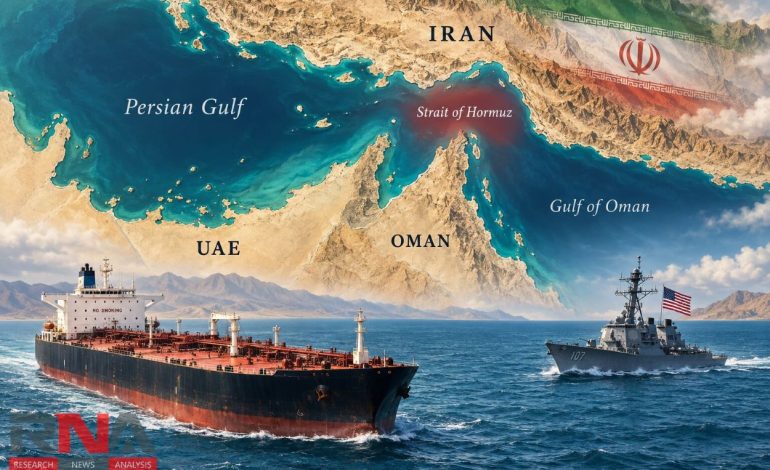
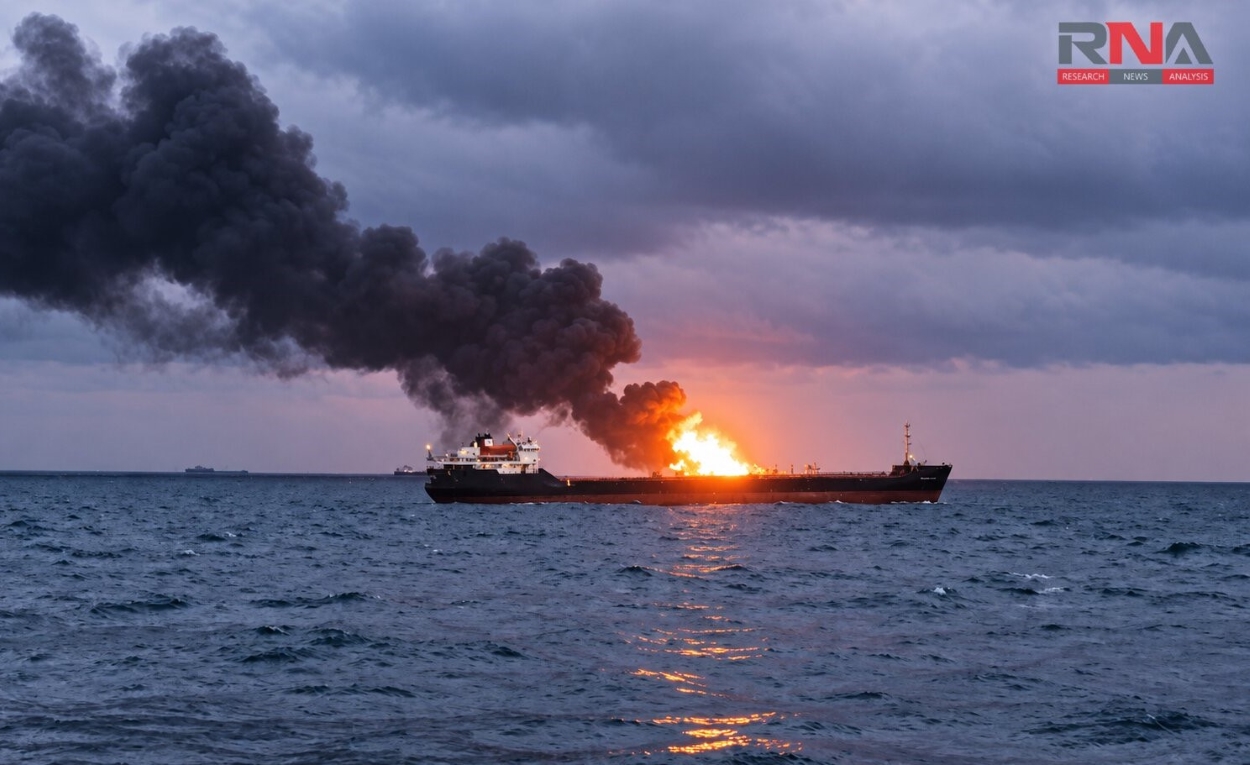
RNA Media illustration for representation.

New Delhi: Iran announced plans to establish an exclusion zone near the Strait of Hormuz, escalating its attempts to control shipping through the waterway. The announcement on Sunday followed fresh attacks involving American and Iranian forces, while Washington rejected Tehran’s claim that it had struck an uncrewed US military vessel.
The head of Iran’s supreme national security council, Mohsen Rezaei, said the proposed zone would extend from the US blockade towards Hormuz and into the Persian Gulf. He threatened sanctions against ships seeking passage, although its precise boundaries remained unclear.
Earlier, Iranian state media reported that an American uncrewed vessel had been hit while attempting to enter waters Tehran considers restricted. The spokesperson for US Central Command, Captain Tim Hawkins, dismissed the assertion as a “total lie”, leaving the alleged strike disputed.
The confrontation followed US strikes on three Iranian oil tankers on Saturday, which Washington described as retaliation for ballistic missile attacks on two US Navy ships. Central Command (Centcom) said no American personnel were injured, while one of the tankers was struck near Iran’s Kharg Island oil export hub.
Iran’s Islamic Revolutionary Guard Corps subsequently said it had targeted three tankers using routes it had not authorized, alongside three US-linked vessels elsewhere. Its navy warned shipping operators against attempting passage through those routes.
The latest exchanges have further weakened prospects for reviving the preliminary ceasefire reached in June, following a relative lull in military action during August. The conflict began with US and Israeli strikes on Iran in February.
Iran’s parliament speaker, Mohammad Bagher Ghalibaf, warned that further attacks would bring a stronger and swifter response. He also acknowledged mounting domestic pressures, identifying inflation, currency instability and unemployment as problems requiring urgent government action as US sanctions and restrictions on oil exports squeeze the economy.
The disruption is increasingly visible in shipping movements: Kpler data reported on September 7 showed a 10-day average of just 10 commodity vessels passing through Hormuz daily, the lowest since May. Only two vessels crossed on September 5 and six on September 6.
No very large crude carrier had left through the strait since September 2, according to the same data. Maritime intelligence firm Marisks assessed the danger as particularly acute for Iranian-linked vessels, with elevated risks also facing US-linked ships and those travelling under American escort.
The proposed zone would add to restrictions already affecting commercial decisions, including those of Indian refiners. Iran’s shipping blacklist had grown to 56 vessels by September 2, covering oil tankers and gas carriers among other ships.
At least three Indian refiners and a global energy company had planned to stop using the initially blacklisted tankers because of security concerns, sources told Reuters in late August. That response illustrates how Tehran’s threatened penalties are influencing vessel selection well beyond the immediate military confrontation.