China spurns US pressure on Iran, Tehran calls it “economic terrorism”
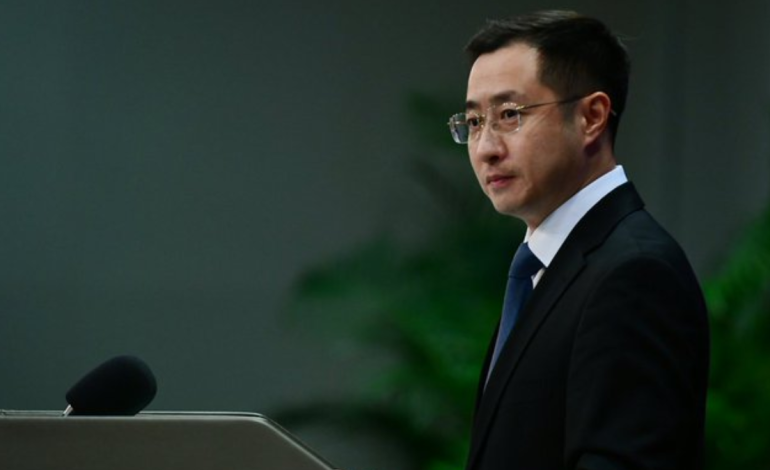
China's foreign ministry spokesman, Lin Jian. (Image courtesy: X/@MFA_China)

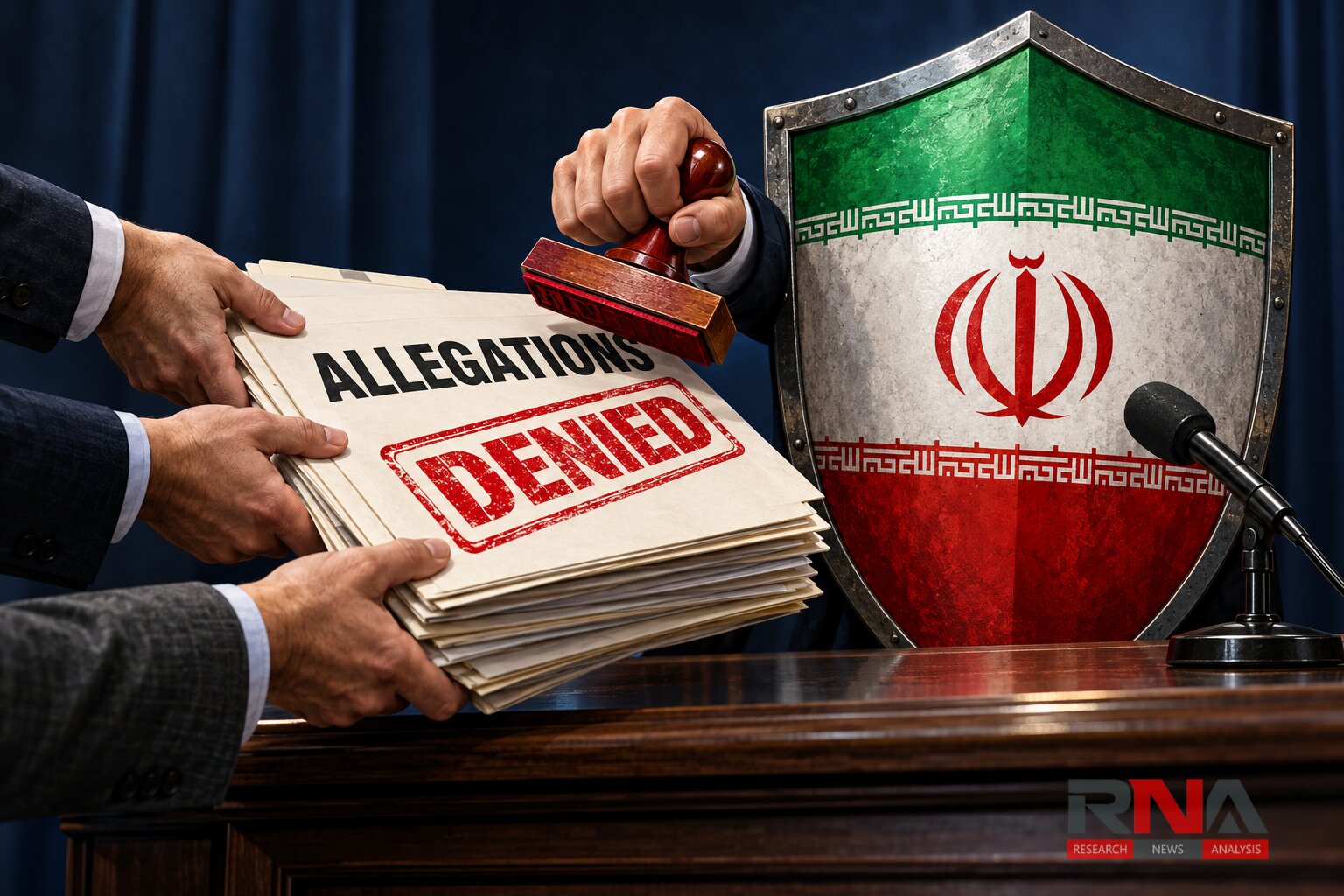
New Delhi: China has rejected a US push to join Washington’s campaign to economically isolate Iran, with China’s foreign ministry spokesman, Lin Jian, saying sanctions and pressure would not resolve the issue. His remarks came after the US treasury secretary, Scott Bessent, urged countries to stop doing business with Tehran and warned that those continuing to provide Iran with an economic “lifeline” could face consequences. Iran has also hit back, with foreign minister, Abbas Araghchi, describing the US campaign as “economic terrorism.”
The US is preparing a new sanctions campaign against Iran. Speaking to CNBC on Thursday, Bessent called on allies and other countries to choose whether they would cooperate with Washington, saying, “You are either with us or against us.”
Asked about the threats at a press briefing on Thursday, Lin said sanctions and pressure would “not help to solve the issue.” He called on all relevant parties to take responsible measures and resolve the problem through political and diplomatic means, according to CNBC.
Bessent said the planned measures would amount to “the greatest coordinated economic isolation in the history of the world,” and described the campaign as a combination of a naval blockade and “the toughest sanctions in history.” He said the aim was to “collapse this regime.”
Why China matters to the US campaign
Beijing’s position is particularly significant because of its economic relationship with Tehran. China was the largest buyer of Iranian oil in 2025, purchasing more than 80% of Iran’s shipped crude, according to Kpler data cited by Reuters.
That makes China’s cooperation important to any US attempt to squeeze Iran’s economy. Bessent has called on Beijing to reduce its business ties with Tehran, arguing China also had an interest in reopening the Strait of Hormuz given its own dependence on Gulf energy supplies. He put a specific figure on that dependence, saying the Chinese “get 50% of their energy from inside the Gulf.”
China has pushed back on that argument. Its energy supplies are diversified, with the country importing crude from countries including Russia as well as Saudi Arabia, the UAE, Kuwait, Qatar and Iraq.
The Strait of Hormuz remains an important part of the wider dispute because of its role in global energy flows. About 30% of China’s liquefied natural gas imports passed through the strait in 2025, while China also receives gas through pipelines from Russia and Central Asia.
Washington raises pressure on Tehran
The latest US pressure follows an announcement by the US president, Donald Trump, on Wednesday of what he called an “economic D-Day” against Tehran.
In a Truth Social post, Trump warned that any country allowing its financial institutions, businesses, airports or government entities to provide Iran with “any type of lifeline” would itself face “TREMENDOUS Economic Consequences,” including those involved in cash transfers, oil smuggling and other activities supporting the Iranian economy.
Bessent is expected to detail the new sanctions package at a press conference on Monday. His comments suggest Washington is seeking cooperation beyond its existing sanctions regime by pressing other countries to cut their economic links with Iran.
Iran has rejected the threats. Its foreign minister, Abbas Araghchi, said on X that “doubling down on failed policies will only bring further defeat,” describing the US campaign as “economic terrorism” that threatens the global economy and national sovereignty.
Iranian officials have also said Tehran will prepare to withstand the new sanctions. Iran’s parliament speaker, Mohammad Bagher Ghalibaf, said this week that the country must plan for the sanctions so that it can overcome them, according to NPR. Iran’s armed forces chief of staff, Major General Ali Abdollahi, separately said Iranian retaliation could take the form of land, sea, air or cyberattacks, according to reports