
India calls for fairer access, faster decisions and more transparency at the UNSC
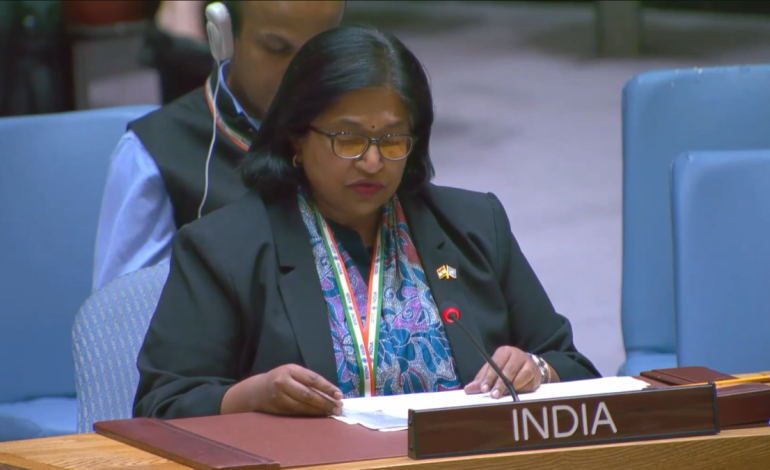
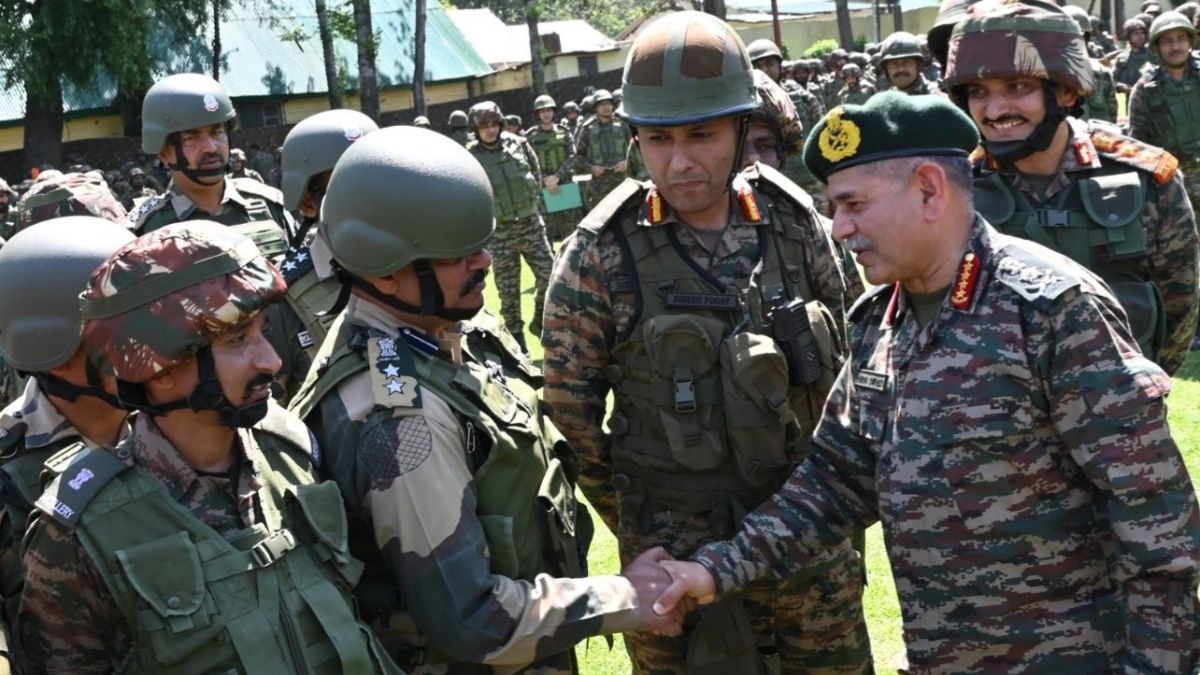
India pushes for UNSC reforms and greater transparency. (Image courtesy: X/@IndiaUNNewYork)

New Delhi: India has pushed for changes in the way the United Nations security council (UNSC) functions, saying that “the world of 1945 has changed beyond recognition.” Speaking at the council’s annual opening debate on working methods on August 19, India said growing questions over the UNSC’s credibility and effectiveness make reform more urgent and requested tighter rules for key council bodies.
India’s proposal is not limited to changes in meeting procedures. It targets who gets information, who gets a voice, how quickly the council’s machinery can work, and how political decisions are kept from overriding objective criteria.
Ambassador Yojna Patel, chargé d’affaires at India’s Permanent Mission to the UN, said the issue goes beyond the council’s internal procedures. The challenges facing the world today are vastly different from those the organization dealt with in 1945. “The outcome of one conflict 80 years ago cannot determine the composition, dynamics, approaches and working methods for perpetuity,” India said. “This needs to change and must happen at the earliest.”
Changes India suggested for the UNSC working system
India’s first major demand is that all UNSC members should have equal access to documents. This matters because elected members serve for two years only, while permanent members have decades of institutional experience. Patel said access to historical documents should not remain the exclusive preserve of a few.
The existing framework, known as Note 507, gives all members full access to relevant council documents, along with a procedure for requesting access. India’s point is that this principle should work meaningfully in practice, and that elected members should not be left at an information disadvantage. This would help elected members understand the background to long-running conflicts and negotiations, and participate more effectively in council decisions.
India also wants elected members to have a greater role in important processes such as the selection of the UN secretary-general. The larger idea is that countries elected by the wider UN membership should have a meaningful role rather than simply being present at the table.
The proposal also targeted the gap between who makes peacekeeping decisions and who implements them. Countries that provide troops and police for UN peacekeeping missions go far beyond the 15 council members. India wants these countries to have a greater say in key decisions, especially on peacekeeping mandates and resources, since they are directly affected when the council changes a mission’s role. Giving them a greater voice would bring their experience into decision-making and make peacekeeping mandates more practical and effective.
Patel has also asked for a fixed deadline to avoid delays in appointing chairs of the subsidiary bodies. These bodies handle important work for the council, including sanctions and other specific issues, but their chairs have often not been appointed on time. The 2025 delay continued until late May, and in 2026 appointments were still pending as of August.
India wants Note 507 amended to set a clear, non-negotiable deadline for these appointments. This would ensure the bodies have their leadership in place on time and can carry out their work without being delayed by prolonged discussions.
The most significant part of India’s proposals was its call for greater transparency in decisions to list or remove entities from UN terrorism-related lists. India said such decisions must be based on clear criteria and supporting evidence, rather than political interests.
India also warned against using security council membership to seek the removal of terrorists from UN lists for political reasons. It said the council must ensure such decisions are based on objective grounds and are not used to advance narrow political interests.
India’s final major demand is to strengthen the relationship between the security council and the UN General Assembly. The security council has only 15 members, while the General Assembly represents the wider UN membership. India said the General Assembly’s consideration of the security council’s annual report should not become a routine formality. It requires closer interaction between the two bodies so that the wider UN membership can have a more meaningful role in examining how the security council functions.
What would change if India’s proposals are adopted?
India’s proposals would not immediately change the veto power of the five permanent members, or settle the wider debate over permanent membership. However, they would change how the council works day-to-day. Elected members would get better access to information, peacekeeping contributors would have a greater say, delays in appointing key bodies would face fixed deadlines, and terrorism-related decisions would require greater transparency and stronger evidence.
These changes could help the security council better understand issues, respond faster to conflicts and take stronger, more effective action. Greater access to information and wider participation could help members make better decisions, while clearer timelines could prevent important work from being delayed.
India’s larger argument is that an institution created to maintain international peace and security must keep updating its working methods as the world changes. In India’s view, the security council needs to function more effectively so it can better perform the role for which it was created.