Zelenskyy visits Serbia: how Belgrade balances Kyiv and its old ally Moscow
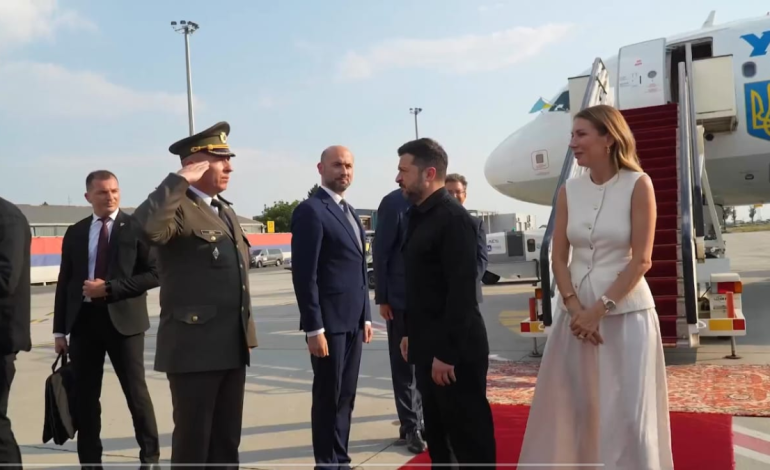
Zelenskyy visits Serbia. (Image courtesy: Telegram/Zelenskiy Official)

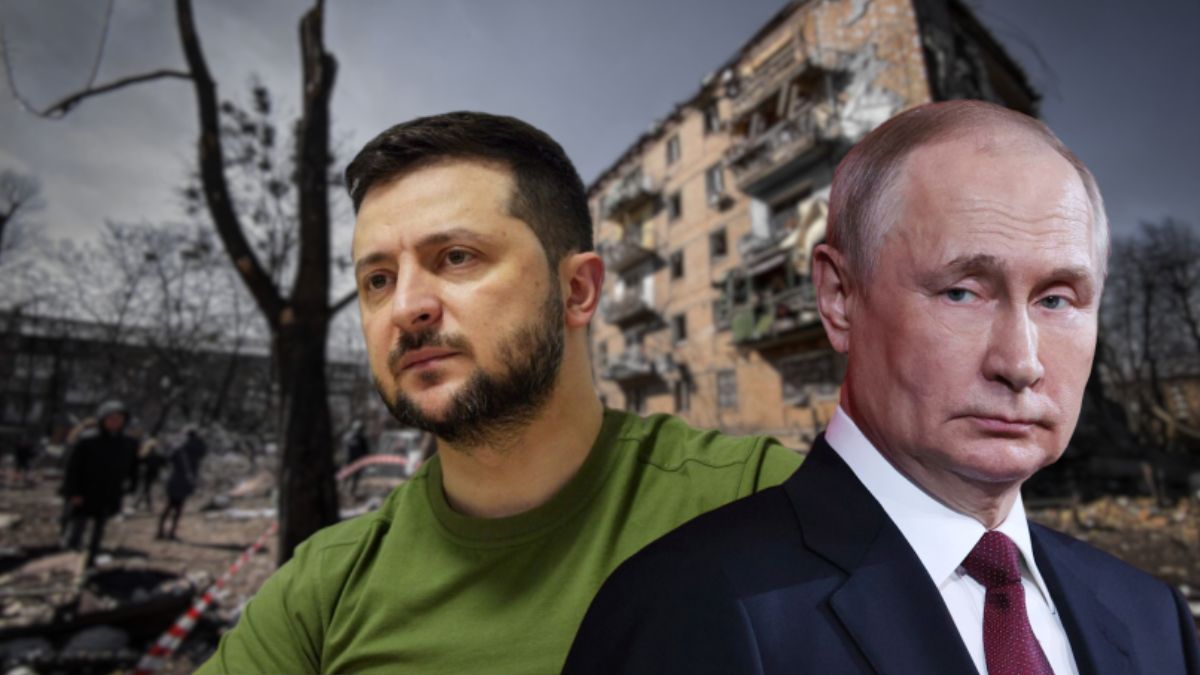
New Delhi: The Ukrainian president, Volodymyr Zelenskyy, arrived in Serbia on his first official visit to Belgrade, putting fresh scrutiny on Serbia’s delicate balancing act between Russia and the European Union. The visit comes as Serbia seeks to advance its EU membership bid while maintaining its longstanding relationship with Moscow.
Zelenskyy said on Telegram that he and his team had “important meetings” scheduled with the Serbian president, Aleksandar Vucic, and the prime minister, Djuro Macut. He said the discussions would include expanding economic ties and other areas that could bring practical benefits to both countries.
The Ukrainian leader indicated that security would also be part of the talks, while stressing Kyiv’s willingness to engage constructively with Belgrade. “Ukraine is always committed to working constructively,” he said on Telegram, adding that cooperation should be based on mutual benefit and “mutual respect”.
Serbia’s balancing act
For Serbia, the engagement offers a chance to strengthen ties with Kyiv without altering its broader policy towards Moscow. Belgrade has supported Ukraine in several areas, including humanitarian assistance, but has continued to reject sanctions against Russia despite pressure from the EU.
Vucic reiterated that position ahead of the talks, saying Serbia’s policy on sanctions against Russia had been established and would remain unchanged “for the time being”. Serbia has maintained close energy ties with Moscow and continued high-level political contacts with the Kremlin, even as his government seeks closer engagement with Kyiv.
A stalled EU bid
Serbia has held candidate status for EU membership since 2012 and opened accession negotiations in 2014, but the process has slowed amid concerns over its foreign-policy alignment with Brussels. Its refusal to join EU sanctions against Moscow remains one of the key points of tension.
Vucic’s Kyiv visit
Zelenskyy’s meeting with Vucic follows the Serbian leader’s trip to Kyiv last month for the fifth Ukraine-Southeast Europe Summit. Vucic attended alongside other regional leaders but said afterwards he was “not entirely” satisfied with the level of assistance Serbia had provided to Ukraine.
He was also the only participant who declined to sign the summit’s joint declaration, which called for continued political, military, financial and security support for Ukraine, along with increased pressure on Russia — underscoring the limits of Belgrade’s shift towards closer engagement with Kyiv.
How Serbia responded to the 2022 invasion
Serbia has walked a careful line since Russia’s invasion of Ukraine in 2022. Belgrade voted in favour of United Nations resolutions condemning the invasion and calling for Russia’s withdrawal, aligning formally with the international consensus, while also providing Ukraine with humanitarian assistance. At the same time, it has refused to join EU sanctions against Moscow, citing historic ties with Russia, despite pressure from Brussels as an EU candidate country.
Tensions with Moscow surfaced after reports that Serbian-made ammunition was reaching Ukraine through third-party arms deals. Russia called this a “stab in the back”, and Serbia said it would investigate the claims.
Why the Russia relationship runs deep
Serbia’s ties with Russia are rooted in shared Slavic and Orthodox Christian heritage dating back centuries, alongside Moscow’s historical backing of Serbia during conflicts such as the Balkan Wars and the two World Wars. The relationship strengthened further in the post-Yugoslav era, anchored by Russia’s continued support for Serbia’s position that Kosovo remains part of its territory, along with close energy and economic cooperation. That combination of cultural affinity and strategic backing has made Russia one of Serbia’s most consistent international partners, complicating Belgrade’s parallel push for EU membership.
The latest talks will test how far Serbia can deepen relations with Kyiv while preserving its ties with Moscow. For Zelenskyy, engaging directly with Belgrade offers a chance to expand Ukraine’s diplomatic reach in the Balkans and encourage closer cooperation with a country still navigating between Russia and the EU.