Gorkha recruitment row: Nepal must decide on Agnipath, says ex-CDS Anil Chauhan
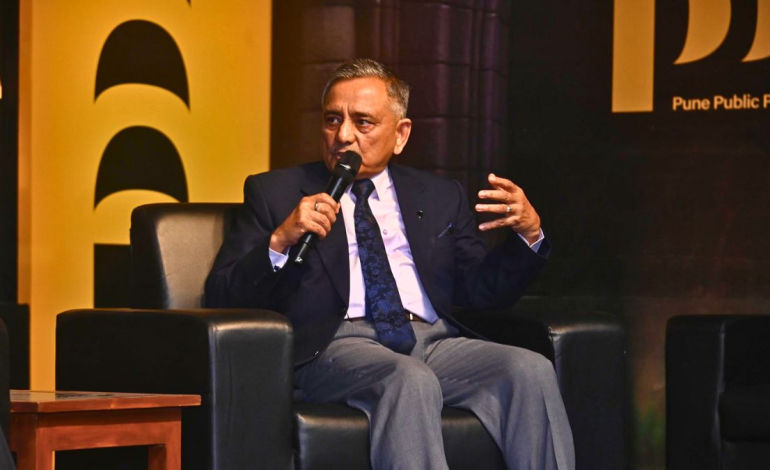
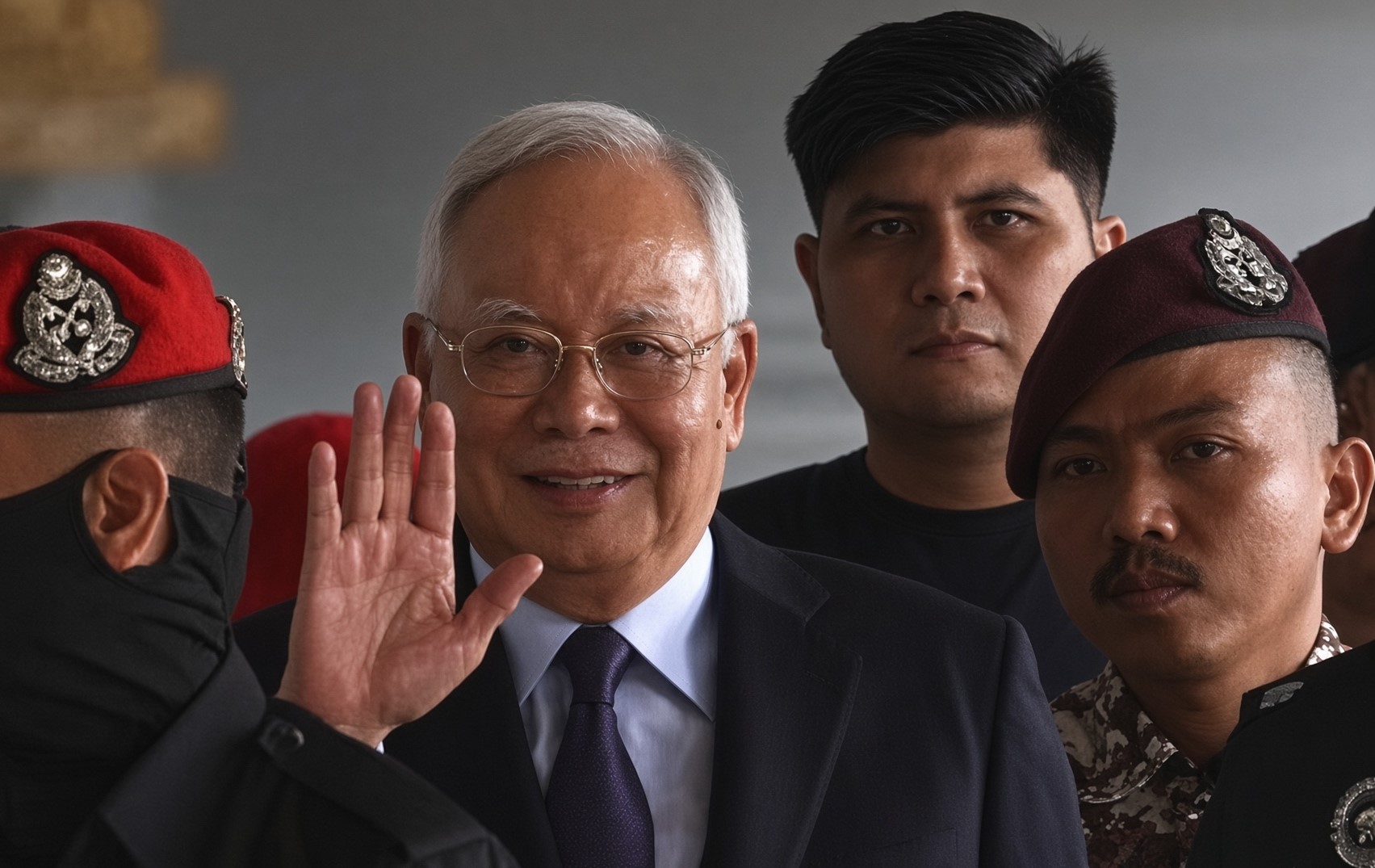
Nepal to decide on Gorkha recruitment under Agnipath: ex-CDS Anil Chauhan. (Image courtesy: X.com/@HQ_IDS_India)

New Delhi: The decades-old tradition of Nepali Gorkhas serving in the Indian Army has become a bone of contention between India and Nepal following New Delhi’s announcement of the Agnipath recruitment scheme in 2022. The new system has effectively stalled the recruitment of Gorkhas from Nepal, with Kathmandu refusing to send its citizens under the scheme.
The new system has effectively stalled the recruitment of Gorkhas from Nepal, with Kathmandu refusing to send its citizens under the scheme. Nepal has maintained that India introduced Agnipath without consulting it and that the new recruitment model does not comply with the 1947 agreement governing the service of Nepali soldiers in the Indian and British armies.
Speaking at ThePrint’s “Off The Cuff” event, former chief of defence staff General Anil Chauhan (retired) said the decision on whether Nepali citizens should be recruited into the Army under Agnipath now rests with the Nepal government. He said India had fulfilled its commitments under the existing arrangement and that Nepali soldiers could not be given a separate recruitment system from Indian soldiers.
The Tripartite Agreement between India, Nepal and the UK was signed on 1 May 1947 and ratified later that year. It provides for Nepali citizens serving in the Indian and British armies to receive treatment comparable to that applicable to soldiers in the respective armies.
Chauhan said the arrangement was established when Nepal was still a monarchy and was based on the understanding that Nepali soldiers would receive conditions similar to those offered in the Indian and British armies. This, he said, included comparable pay and pension.
He also said that while India had fulfilled its part of the arrangement, some benefits available to former soldiers in India may not reach veterans in Nepal because of decisions taken by the Nepal government. The issue, therefore, was now for Kathmandu to decide, he said, adding that there could not be one set of rules for Nepali citizens and another for Indian nationals under the same recruitment arrangement.
The dispute stems from the fundamental change introduced by Agnipath. Under the scheme, soldiers are recruited for four years, after which 25 per cent can be retained for another 15 years. The remaining 75 per cent leave the service with a severance package.
The system was introduced to bring down the average age of the armed forces and make the military more future-ready. It replaced the earlier recruitment model for personnel below the rank of commissioned officer, under which soldiers generally served for at least 15 years and were eligible for pension and other post-retirement benefits.
For Nepal, the issue is particularly significant because military service in India has a history stretching back more than 200 years. The British East India Company raised the first Gorkha regiment in 1815, beginning the long tradition of Nepalese soldiers serving in foreign armies.
Following Independence, India and Britain agreed to divide the Gorkha regiments between them. Six units became part of the Army, while four were transferred to the British army. The regiments have since fought in both World Wars and taken part in several conflicts involving India after Independence.
The relationship also has a major financial dimension for Nepal. More than 1.22 lakh Nepali citizens currently receive pensions from the Indian government for their service in the Army. Some estimates put the value of payments made to these pensioners at nearly three per cent of Nepal’s GDP, underlining the economic importance of the arrangement.
The recruitment impasse has meanwhile created an alternative path for some Nepali youths looking for military careers. Several have travelled to Eastern Europe and joined the battlefields of Ukraine, while the Russian army has emerged as another avenue for their military ambitions.
Kathmandu has estimated that more than 200 Nepalis have travelled to Russia to join its force. Several Indian nationals have also reportedly joined Russian forces.
The issue has a personal connection for Chauhan as well. He, like former CDS General Bipin Rawat, was commissioned into the 11th Gorkha Rifles. His remarks underline that the future of Gorkha recruitment from Nepal will depend not only on the longstanding agreement but also on whether Kathmandu accepts the Agnipath system as the framework for future recruitment.