No peace deal signing today, as Iran rejects Trump’s Geneva meeting proposal
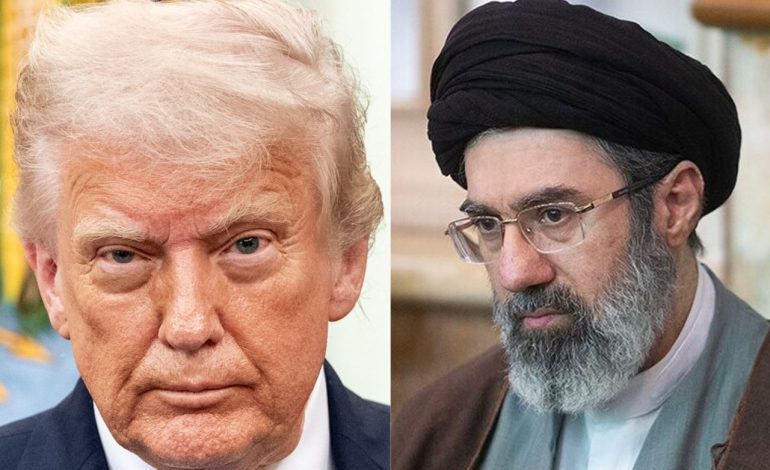
US-Iran diplomacy faces another hurdle amid conflicting signals over a peace pact. Image Courtesy: Wikimedia Commons.

New Delhi: There shall be no peace deal signing on Sunday in Geneva, Switzerland, between the US and Iran to end the West Asia war. The US had proposed signing the agreement, but Iran rejected the idea, seeking time to prepare for the signing. The US president, Donald Trump, on Saturday, announced the agreement was “scheduled to get signed tomorrow,” meaning Sunday. But Iran’s foreign ministry spokesman Esmaeil Baghaei dismissed the Trump suggestion, as the nation’s negotiators were not planning on travelling to Geneva.
Trump wrote on Truth Social that “the deal is scheduled to get signed tomorrow, and immediately after it is signed, the Hormuz Strait is OPEN TO ALL.” If the deal had been signed on Sunday, as Trump expected, it would have been his 80th birthday gift. But Baghaei, in his remarks to the state-run IRNA news agency, said the memorandum of understanding could be signed “in the coming days.” Baghaei’s statement on the impossibility of the peace deal being signed on Sunday preceded Trump’s assertion about the Sunday meeting with the Iranian negotiators in Geneva to formalize the agreement.
Both the US and Iran have been repeatedly contradicting each other on the peace deal in recent weeks, even though both sounded sincere in agreeing to end the four-plus-month war in West Asia. But behind that sincerity, a game of one-upmanship seems to be playing out, with each side attempting to get itself a better deal.
Trump wants to put a stamp of his mark on geopolitics as the great peacemaker globally by ending the West Asia war and bringing relief to the world reeling under an increasingly unstable oil market. Iran, on the other hand, wants to retain its sovereignty and strategic independence on matters relating to its nuclear programme and control over the Strait of Hormuz, a leverage it has used to browbeat the US in the four months of the West Asia war.
What has really surprised the world, watching the West Asia developments, as the US and Iran inch towards a peace deal, is the lack of details of their agreement in the public domain. This could mean only one thing: the deal text is still not final. When such was the case, Trump’s announcement of a deal signing on Sunday sounds preposterous, and Iran’s denial of the event in Geneva sounds ominous.
Trump, however, continued with his bravado, posting on Truth Social that the agreement would be “A WALL TO NO NUCLEAR WEAPON!” and that “no money would exchange hands”. He added that “at the appropriate time, when all is calm, we will go in and get the Nuclear Dust”, a reference to the Iranian enriched uranium, which the US president had previously claimed had been “entombed” under rubble after the American airstrikes on those sites in the early days of the war.
Iran’s foreign minister, Abbas Araghchi, told Press TV on Friday that the initial memorandum of understanding would only be a launch point for negotiations about the future of Iran’s nuclear programme. He added that the signing would result in an immediate pause in fighting, but that Iran and Oman would continue to administer the Strait of Hormuz.
The issue of lifting foreign sanctions against Iran and unfreezing the country’s assets would be discussed following the signing of the memorandum of understanding, Araghchi said.