

India plans to stop Indus water flow to Pakistan, sets 2-year target
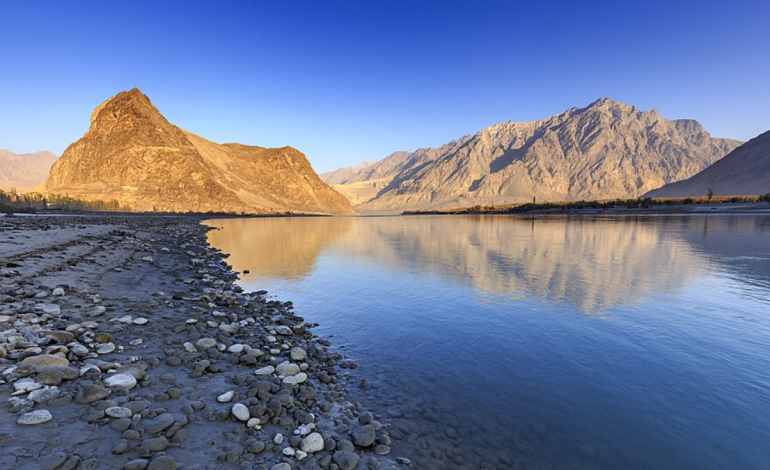
Union water minister asserting that not a single drop should flow to Pakistan in the coming years. (Image courtesy: Wikimedia)

New Delhi: The Union water minister, CR Patil, has said that India is moving ahead with plans to increase the use of waters from the Indus river within its territory. He also asserted that the flow of water to Pakistan could be halted over the next one-and-a-half years.
Speaking to a reporter on Tuesday, Patil said the suspension of the Indus Waters Treaty remains in force and that multiple projects are being pursued to ensure India fully utilizes the water resources available under the river system. He added that the initiative is progressing under strict timelines and is being closely monitored by the central government.
According to the minister, the move is part of a broader strategy adopted after India placed the 1960 Indus Waters Treaty in abeyance following the Pahalgam terror attack in April 2025. The government has since reiterated its focus on fully utilizing the waters of the Indus river system for India’s people, agriculture and development needs, with officials asserting that not a single drop should flow to Pakistan in the coming years.
Patil also noted that the Union home minister, Amit Shah, is overseeing the implementation process under the direction of prime minister Narendra Modi. He expressed confidence that ongoing infrastructure and water-management projects would significantly alter the current flow pattern in the coming years.
The remarks come amid an ongoing dispute between India and Pakistan over the future of the Indus Waters Treaty. New Delhi said the suspension of the pact was related to Pakistan’s continued support of cross-border terrorism.
Meanwhile, India has once again rejected the authority of the court of arbitration constituted under the treaty framework. The Ministry of External Affairs recently dismissed a ruling related to the Kishenganga and Ratle hydropower projects, describing the tribunal as illegally constituted and its decisions as having no legal validity for India.
The ministry reiterated that all proceedings and awards issued by the court are considered “null and void” and said India’s position on keeping the treaty in abeyance remains unchanged.
The developments have raised attention in Pakistan, where concerns about water availability are rising. Reports of severe water shortages in several areas, including Karachi, have intensified debate over the possible impact of reduced river flows and the future of water-sharing arrangements between the two neighbours.