
Nepal PM: Border Issue with India to be Resolved Through Dialogue
India Nepal Border Dispute. Image courtesy: Wikimedia

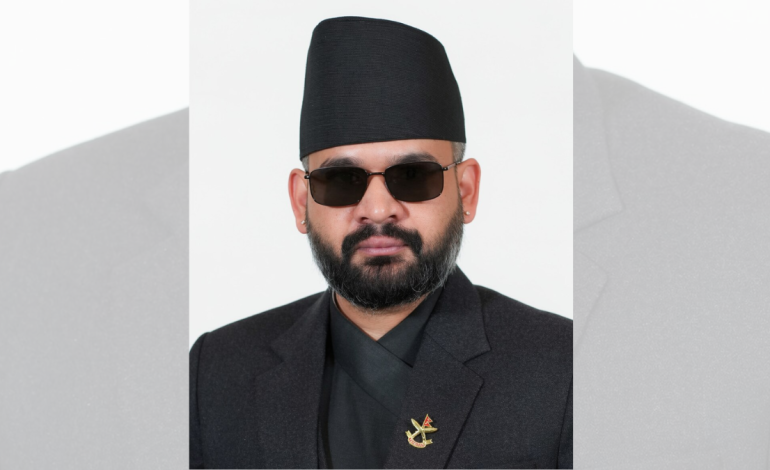
Nepali Prime Minister Balendra Shah, on Saturday (May 30, 2026), said all outstanding border disputes with India would be resolved through diplomacy and dialogue, even as he claimed both New Delhi and Kathmandu had claims and counterclaims over territory.
Addressing the Nepali Parliament for the first time since taking over as prime minister, Shah expressed his government’s commitment to maintaining friendly relations with its southern neighbour, while pushing for a peaceful resolution of longstanding border disagreements.
“The border issue with India will be resolved through talks and diplomatic efforts,” Shah said, referring to Nepal’s claim over the Lipulekh-Limpiyadhura region that is part of Indian territory.
He said Kathmandu would take up the border dispute with the United Kingdom, arguing that the origins of the border dispute with India dated back to the British era and rule over India.
The Nepali PM said Kathmandu would seek a resolution through diplomatic channels and dialogue with India, reiterating that his government favoured engagement over confrontation.
He added that Nepal would continue to prioritise diplomacy, mutual respect, and constructive engagement while dealing with sensitive bilateral issues.
India and Nepal share a 1,751-km open border. The two neighbouring nations maintain deep cultural, economic, and people-to-people ties.
Yet, boundary disputes have cropped up due to Nepal’s domestic politics during the Communist rule in the Himalayan region, particularly the Kalapani-Limpiyadhura-Lipulekh region in the west and Susta in the south.
The dispute has its origins in the Communist governments in Nepal misinterpreting the 1816 Treaty of Sugauli, signed between Nepal’s King and British-ruled India. Now, both nations maintain that the two regions that have now turned into disputes are their sovereign territory.
The boundary-related differences gained attention in 2020 after India opened a road to link Dharchula in Uttarakhand with Lipulekh Pass, a route used for the Kailash Mansarovar pilgrimage.
In response, Nepal released a revised political map depicting Kalapani, Lipulekh, and Limpiyadhura within its territory and later incorporated the map through a constitutional amendment.
India has maintained that the disputed areas are part of its territory and has consistently said that all outstanding boundary issues should be addressed through existing bilateral mechanisms and diplomatic dialogue.
Both countries have previously discussed the matter through established diplomatic channels, but without a resolution to the disputes.
The issue is now a political hot cake in Nepal after the newly formed Shah’s party threw out the traditional Nepali Congress and the Communist parties out of power and stormed to power this year in the general elections.