

Agniveers get two more years and a fresh route to regular service. What changes under Agnipath scheme?
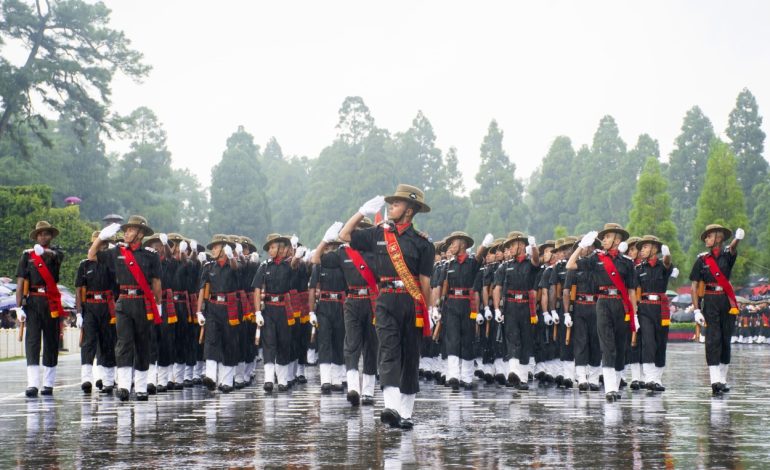
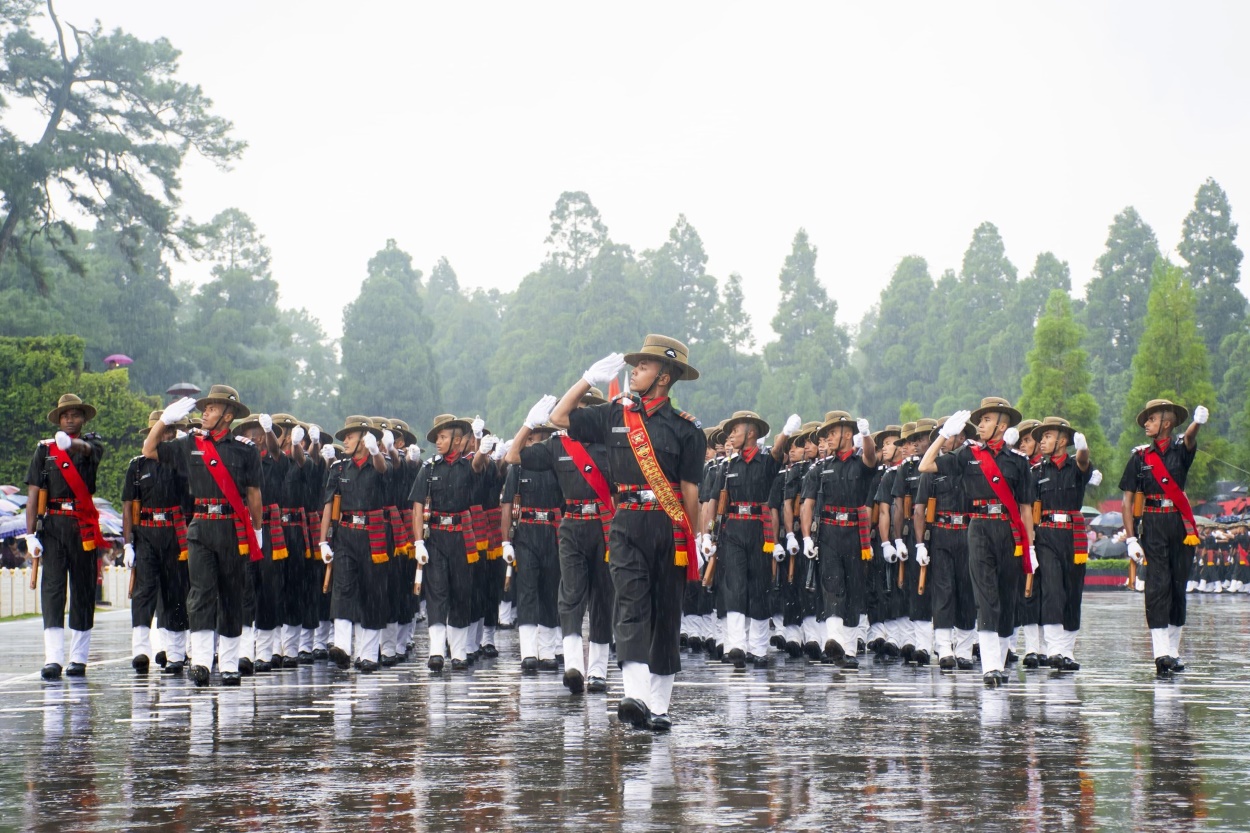
Agniveers passing out from the Assam Regimental Centre at Shillong in June 2025. (File photo)

New Delhi: India has opened a second route into regular military service for Agniveers, offering those not selected after their initial four-year tenure an additional two years in uniform. Announcing the Cabinet’s decision on Wednesday, the chief of defence staff, General NS Raja Subramani, said the extended engagement would bring higher remuneration and another opportunity for eligible personnel to join the regular ranks.
The revision changes the prospects of the 75 per cent who previously faced release after four years under the Agnipath recruitment framework. However, it neither abolishes the scheme nor makes permanent absorption unconditional: willingness to continue and the prescribed selection standards remain essential.
How will the new service arrangement work?
The original selection point remains: up to 25 per cent of each batch can enter the regular cadre after four years, based on merit and organizational requirements. The remaining 75 per cent will now receive an offer of a further two-year engagement, extending their potential service as Agniveers to six years.
At the end of that extension, those willing to stay will have a route into regular service, subject to objective selection criteria. The change therefore creates two stages for regular enrolment, rather than simply replacing every four-year engagement with a compulsory six-year contract.
For an individual recruit, the practical difference is substantial: missing selection at the first stage will no longer necessarily end a military career. The extra period provides another opportunity to demonstrate suitability while remaining employed within the armed forces.
Does this mean everyone will get a permanent job?
The announcement opens the opportunity to all willing Agniveers who meet the criteria, but an opportunity and an unconditional appointment are different things. Willingness, physical fitness, performance and the applicable guidelines will govern entry after the extended term.
The distinction between the two selection stages will also survive in seniority. Those entering the regular cadre after four years will remain senior to personnel enrolled after the additional two-year engagement, preserving an advantage for the first group selected on merit.
The announcement should consequently not be read as a promise that every person recruited under Agnipath will automatically receive a permanent military career. Equally, describing the revision merely as postponed discharge would overlook the additional route into regular service.
How much more will Agniveers earn?
The monthly package during the extension will be approximately ₹43,500 in the fifth year and ₹47,500 in the sixth year, according to Gen Subramani. These figures represent increases of ₹3,500 and ₹7,500 respectively over the existing fourth-year package of ₹40,000.
Under the original terms published by the defence ministry, monthly remuneration starts at ₹30,000 and rises to ₹40,000 in the fourth year, with applicable risk and hardship allowances paid separately. During those four years, 30 per cent of the package goes into the Agniveer corpus fund, while the government makes a matching contribution.
That distinction matters when comparing salaries: the announced monthly package is not necessarily the amount credited as take-home pay. Under the original fourth-year arrangement, for example, the ₹40,000 package leaves ₹28,000 before applicable allowances, with ₹12,000 contributed to the corpus.
What changes in the Seva Nidhi exit package?
The second engagement will carry a more favourable government contribution to the Seva Nidhi arrangement. The revised financial terms will see a 30:70 split between the Agniveer and the government, with Gen Subramani putting the package associated with the additional two years at approximately ₹10.92 lakh.
Under the original four-year arrangement, the government matched the individual’s contribution rupee for rupee, and the launch announcement estimated a tax-free exit payment of approximately ₹11.71 lakh including interest. The ₹10.92 lakh figure reported for the extension should therefore not be presented as a definitive total payout covering all six years.
Personnel will need the detailed financial instructions to establish how the original corpus and the additional engagement are settled, including interest and payment timing. The original Agniveer engagement did not carry pension or gratuity entitlement, and the extension alone should not be confused with entry into the regular cadre.
Why has the government changed the scheme now?
The decision arrives as the earliest batches approach completion of their original tenure, making its consequences immediate. More than 18,300 Agniveers had been expected to leave by December 31, representing approximately three-quarters of the 24,400 personnel inducted during the initial recruitment cycle across the three services.
Gen Subramani said the decision followed continuous assessment and positive feedback on Agniveers’ performance, rather than the abandonment of the recruitment model. Akashvani’s report of the Cabinet briefing also records his assessment that recruitment had reached almost all districts and become more transparent and streamlined.
The military rationale is to combine a younger force with greater experience, while giving trained personnel a longer career opportunity. The services had been discussing a significant increase in retention with the department of military affairs before the announcement.
Operationally, keeping personnel longer can allow units to benefit from training and experience already acquired, although the eventual effect will depend on implementation. The same decision also changes manpower and financial planning, because wider regular enrolment would create longer service commitments than the original exit-heavy model envisaged.
Are examination and skill-certificate provisions new?
Some coverage has grouped the written examination preceding physical tests with the latest changes, but that sequence already exists in Army recruitment. The defence ministry’s April 17, 2023, announcement explicitly placed the online common entrance examination first, followed by physical testing for shortlisted candidates and then medical examination.
Skill certification also predates the latest decision, rather than being a benefit created on Wednesday. In a March 23 parliamentary reply, the skill development ministry said agreements signed on December 26, 2022, supported recognition of military-acquired skills, with more than 325 skill sets mapped to industry-aligned qualifications.
These arrangements remain relevant for personnel who choose civilian employment, but certification itself does not guarantee a job. Keeping established measures separate from the fresh decisions makes clear that the principal changes concern extended engagement, remuneration, exit benefits and regular enrolment.
What still needs clarification?
Service-specific instructions will be important for understanding selection after six years, the administration of seniority and the treatment of financial benefits. Personnel considering the extension will also need a clear account of how choosing to leave affects their entitlements and subsequent employment options.
The decision substantially widens the prospect of a sustained military career without removing assessment from the process. Its practical test will be whether the Army, Navy and Air Force translate that opportunity into clear, consistent rules that recruits can understand before making their next career decision.