


Russian military plane bursts into flames over Siberia and crashes, kills all 17 on board
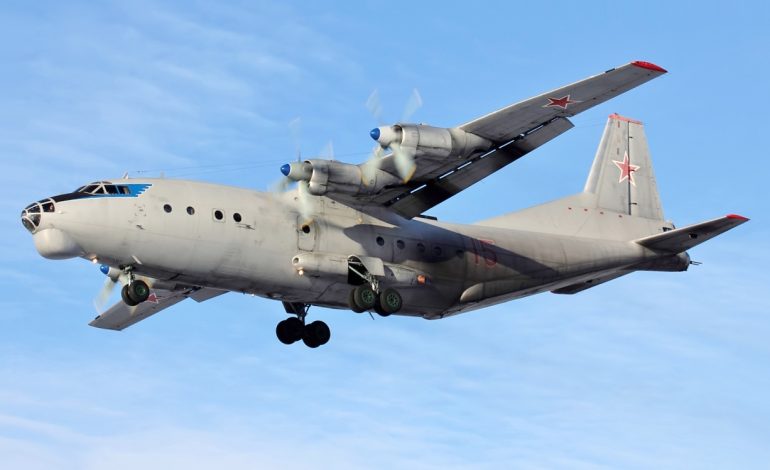
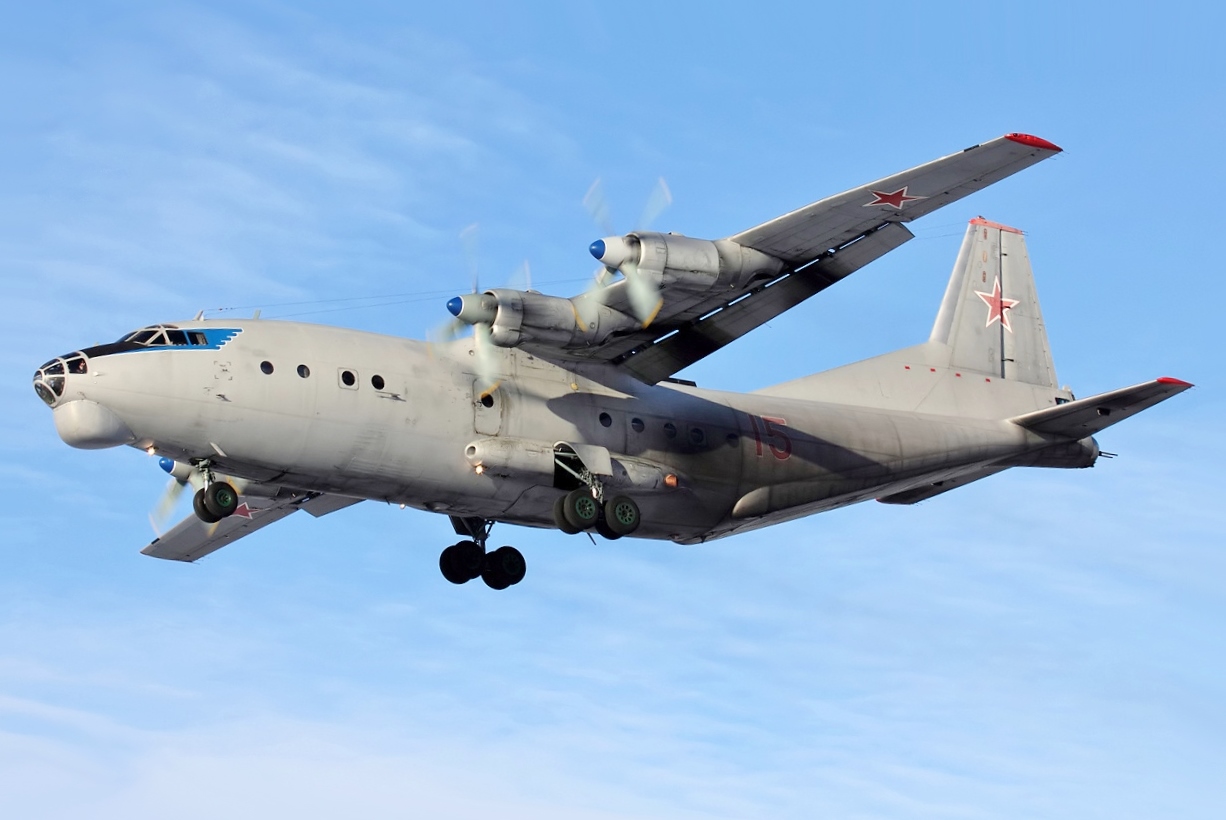
A Russian air force An-12. (Creative Commons photo via Wikipedia for representation.)

New Delhi: A Russian military transport aircraft reportedly caught fire in mid-air before plunging to the ground in southwestern Siberia on Tuesday, November 17, killing all 17 people on board. The An-12 crashed near Yagunovo village in the Kemerovo region, with eyewitness accounts suggesting that the aircraft was already burning before it lost altitude and exploded on impact.
The Russian news outlet Izvestia, citing sources familiar with the incident, reported that nobody aboard the four-engine turboprop survived the crash. Although the regional authorities confirmed the aviation disaster, the reported death toll and the aircraft’s precise military assignment had not been independently established through an official casualty statement.
The governor of Kemerovo, Ilya Seredyuk, confirmed the incident near Yagunovo and said emergency services had been dispatched to the area. He subsequently announced that an emergency response centre had been established, bringing together rescue personnel, medical teams, police and other agencies to coordinate operations at the crash site.
According to Russian media reports, the aircraft developed a fire while airborne and descended rapidly before striking the ground. The Telegram channel Baza, which has links to Russian security services, reported that the plane was burning before the crash, although the circumstances that triggered the emergency remained unclear.
Burning aircraft reportedly attempted emergency landing
Preliminary accounts indicated that the aircraft had been flying from Novosibirsk to Kansk, in the neighbouring Krasnoyarsk region, when it encountered difficulties over Kemerovo. The Ukrainian publication UNITED24 Media, citing Russian Telegram channels, reported that the transport plane was carrying spare parts and may have been attempting an emergency landing.
Russian broadcaster REN TV also reported that the crew attempted to steer the burning aircraft away from residential buildings before it crashed. That account has not been independently verified, but it raises questions about how much control the pilots retained during the aircraft’s final moments.
Video footage circulating on social media appeared to show an aircraft engulfed in flames descending towards the ground, followed by a major explosion. Investigators will need to establish whether the fire originated in an engine, fuel system or another component, and whether it caused a progressive loss of the aircraft’s flight-control capability.
Russian reporting has identified a possible fuel leak, engine fire and hydraulic failure among the preliminary explanations being examined. These remain unconfirmed possibilities rather than established causes, and the available evidence does not yet support a definitive conclusion about what brought the aircraft down.
An ageing Soviet-era military workhorse
The aircraft reportedly involved in Tuesday’s disaster, the Antonov-manufactured An-12, is one of the Soviet Union’s most recognizable military transport designs. Developed during the 1950s, the high-wing, four-engine turboprop entered service during the Cold War and became an important platform for moving troops, military equipment and supplies across the Soviet Union’s vast territory.
According to the Antonov aircraft manufacturer’s historical records, the An-12 first flew in 1957 and was designed to transport military personnel and equipment weighing approximately 20 tonnes. Production continued into the early 1970s, and the aircraft subsequently served with military and civilian operators across several continents.
Its rugged construction, rear-loading cargo compartment and ability to operate from relatively austere airfields made the An-12 particularly useful for military logistics. However, the continued operation of aircraft designed nearly seven decades ago places considerable importance on maintenance standards, structural inspections, replacement components and the remaining service life of individual airframes.
The aircraft’s age alone cannot explain Tuesday’s crash, particularly without information about its manufacturing year, maintenance history or recent technical inspections. Nevertheless, the disaster is likely to renew scrutiny of Russia’s continued reliance on Soviet-era transport aircraft and the challenges of sustaining older fleets.
Previous An-12 disasters raise safety questions
The An-12 has been involved in several fatal accidents over the years, including a crash near Irkutsk in November 2021 that killed seven people. That aircraft, operated by the Belarusian cargo airline Grodno, crashed and caught fire during its approach to the Siberian city in adverse weather conditions.
According to Euronews reporting, the 2021 aircraft had been in service since 1968. The accident demonstrated the continuing risks associated with operating older transport aircraft, although it does not establish any connection with the circumstances of Tuesday’s crash.
The latest disaster also comes as Russia’s military aviation resources remain important to its wider defence operations, including the movement of personnel and equipment across long distances. Transport aircraft are an essential component of that logistical network, although there is no verified evidence that the An-12 involved in Tuesday’s incident was conducting a mission connected with the Ukraine war.
For investigators, the immediate priorities will include identifying the aircraft, examining its maintenance and operational records, analysing available flight data and reconstructing the sequence of events preceding the reported fire. Any recoverable flight recorders, wreckage evidence and communications with air traffic control could help establish whether the emergency began with a technical malfunction or another factor.
As of Tuesday evening, Russian authorities had not publicly established the cause of the disaster or released a verified list of those killed. The findings of the investigation will determine whether the crash was an isolated accident or evidence of a broader problem affecting the continued operation of Russia’s ageing military transport fleet.