



Explainer: What are golden passports? How could EU crackdown affect India’s efforts to extradite fugitives?
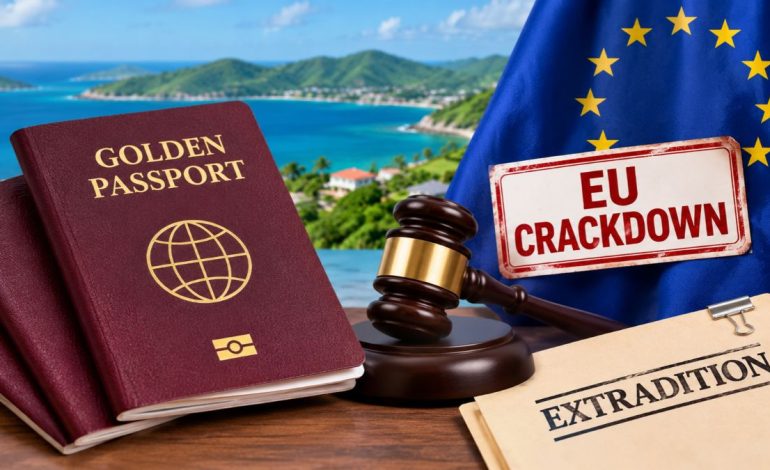
(RNA Media illustration for representation.)

New Delhi: The European Union has urged Antigua and Barbuda, Dominica, Grenada, Saint Kitts and Nevis, and Saint Lucia to phase out their citizenship by investment programmes by June 1, 2028. The proposal could restrict a route to alternative passports used by some people wanted in India, although it would not automatically secure their extradition.
Caribbean governments reported a November 12 deadline to respond, but the European Commission has not publicly confirmed that date. Saint Kitts and Nevis has announced a gradual closure, while Antigua and Barbuda is seeking a transition until the end of 2030.
What are golden passports?
Citizenship by investment programmes offer nationality to foreigners who contribute to government funds, purchase approved property or make other qualifying investments. Such passports can provide visa-free travel to Europe’s Schengen Area, even when applicants have limited ties to the issuing country.
Brussels says weak screening and the possibility of money laundering or security risks warrant tighter scrutiny. Revised EU rules effective since December 2025 allow investor citizenship schemes to trigger consideration of visa-free travel suspension, although a separate procedure is required.
In April 2025, the EU’s highest court ruled Malta’s investor citizenship scheme incompatible with EU law. Unlike Malta, however, the five Caribbean states do not confer EU citizenship.
How are Caribbean countries responding?
Saint Kitts and Nevis says its programme remains open while it negotiates a closure timetable with Brussels; existing citizenship rights are unaffected. Saint Lucia has submitted a response but not disclosed its terms, Grenada wants to retain its scheme and Schengen access, and Dominica is negotiating transition arrangements.
Saint Kitts and Nevis introduced the world’s first citizenship by investment programme in 1984. The 42-year-old scheme has been a significant source of government revenue, highlighting the economic implications of its planned closure.
Why does the move matter to India?
Mehul Choksi, accused in the Punjab National Bank fraud case, acquired Antiguan citizenship in 2017. In 2021, Indian officials flew to Dominica to seek his return but departed without him after court proceedings delayed his removal. Arrested in Belgium in April 2025, he remains there while India pursues extradition. He denies wrongdoing.
Jatin Mehta, accused in the Winsome Diamonds bank fraud case, reportedly acquired citizenship of Saint Kitts and Nevis in 2012.
Nirav Modi, another accused in the Punjab National Bank case, remains in British custody after London’s high court rejected his attempt to reopen his extradition appeal in March 2026. His case does not involve Caribbean investor citizenship.
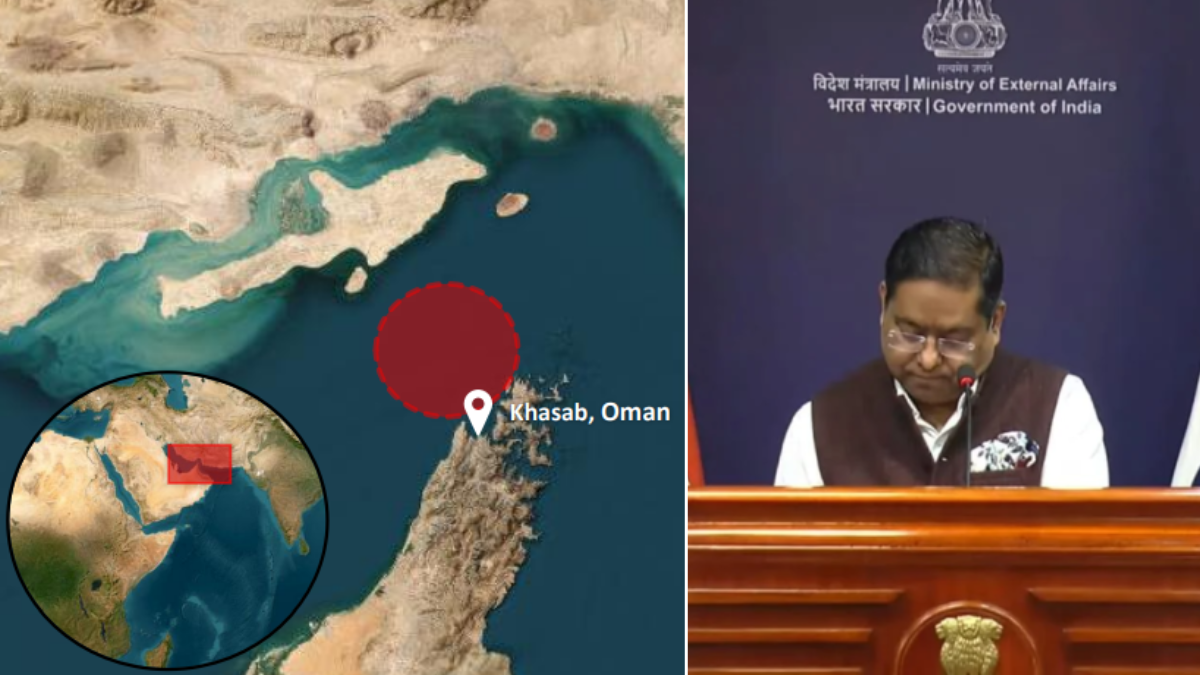
Sourabh Chandrakar, accused in the Mahadev online betting case, obtained a Vanuatu passport but was extradited from Oman to India on November 1. Vanuatu is not among the five countries facing the EU’s request.
Will passports determine extradition?
Indian investigators and diplomats had underestimated the political influence wealthy investors could acquire in some Caribbean countries, the Week reported. Such connections may complicate efforts to secure their return, although extradition still depends on evidence, applicable treaties, dual criminality and judicial decisions. Acquiring another passport does not confer immunity from prosecution or extradition.
The proposed phase-out would not revoke existing citizenship or compel foreign courts to return accused individuals. India’s extradition requests will still depend on the decisions of the authorities and courts concerned.