
Iraq removes nine officials in oil smuggling probe, police chief among those sacked
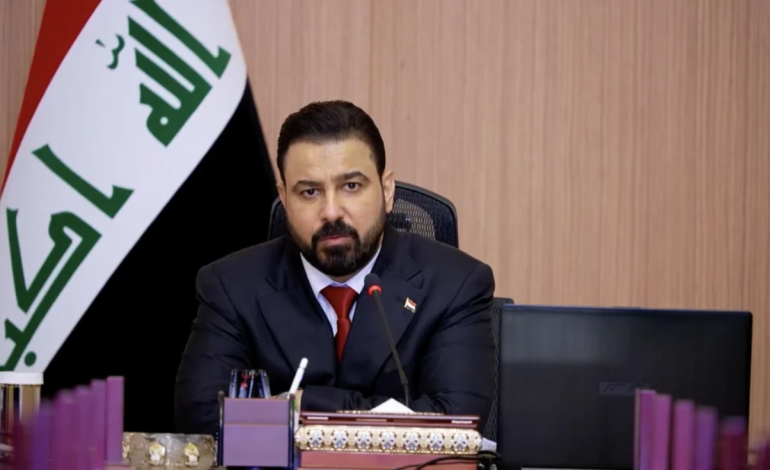
Iraq's prime minister removes nine officials in oil smuggling probe. (Image courtesy: Wikimedia)

New Delhi: The Iraq prime minister, Ali al-Zaidi, has dismissed nine senior officials following an investigation into an alleged large-scale oil smuggling operation in Jurf al-Nasr, an area known as a stronghold of the Iran-backed Kataib Hezbollah group. The case has drawn attention because the suspected operation involved illegal refineries, alleged theft of oil from strategic pipelines and an estimated monthly business worth up to $30 million.
The investigation centred on the alleged diversion of crude oil and petroleum derivatives through unauthorized connections to two strategic pipelines south of Baghdad. The oil was reportedly siphoned off and sold on the black market, with the operation estimated to have generated up to $30 million a month, Al Jazeera reported, citing a leaked intelligence document.
The investigation focused on information provided by Iraq’s federal intelligence and investigations agency. An investigative committee reviewed the evidence and confirmed the accuracy of the intelligence report, including details of oil smuggling activities, the presence of refineries and irregularities connected to the operation.
Following an emergency security meeting on Saturday, al-Zaidi ordered that everyone accused of involvement be referred to the judiciary for legal action.
The nine officials removed from their positions included the Babil police commander, director of north Babil police, director of intelligence and counterterrorism in Babil, director of national security in Babil, director of intelligence and security in Babil governorate, director of intelligence in Babil, commander of the popular mobilization forces in Babil, commander of the sixth brigade of the energy police and director of the Oil Pipelines Company under the Iraq’s oil ministry.
The decisions were announced by Sabah al-Numan, spokesman for the commander in chief of the armed forces, in an official statement from the Iraqi prime minister’s media office.
Why Iraq’s oil smuggling probe matters
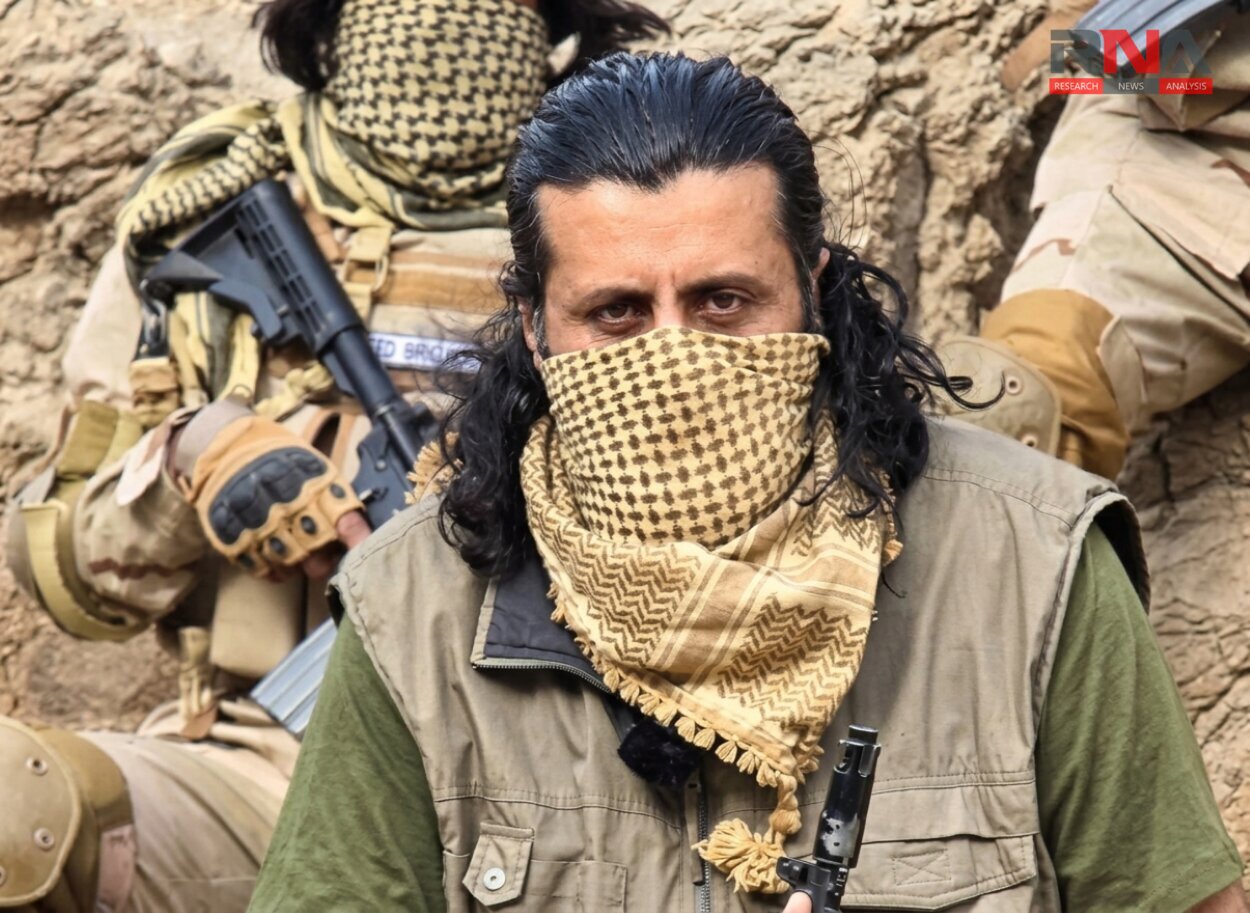
The location of the alleged operation is a major reason behind the attention surrounding the investigation. Jurf al-Nasr is associated with Kataib Hezbollah, one of Iraq’s most heavily armed Iran-aligned paramilitary organizations. The group has recently criticized al-Zaidi’s government, accused it of corruption and issued threats against his administration.
The investigation comes at a time when the Iraqi government is facing pressure over the role of powerful armed factions and its efforts to bring them under state control.
Akeel Abbas of the Atlantic Council told Al Jazeera that oil smuggling by political factions and armed groups is common in Iraq and is mainly driven by financial interests.
Abbas suggested that the prime minister’s anticorruption action could also be intended to cut off a source of funding for an armed faction resisting the government’s disarmament efforts.
The latest crackdown therefore puts the government’s willingness to confront powerful interests controlling or influencing strategic economic infrastructure to the test.
However, Iraqi authorities have not publicly identified the armed faction responsible for the alleged pipeline tapping. The investigation and subsequent judicial proceedings will be important in establishing who was involved and whether the government can prevent similar operations.