IEA chief warns Europe faces tough winter as Iran war threatens energy supplies
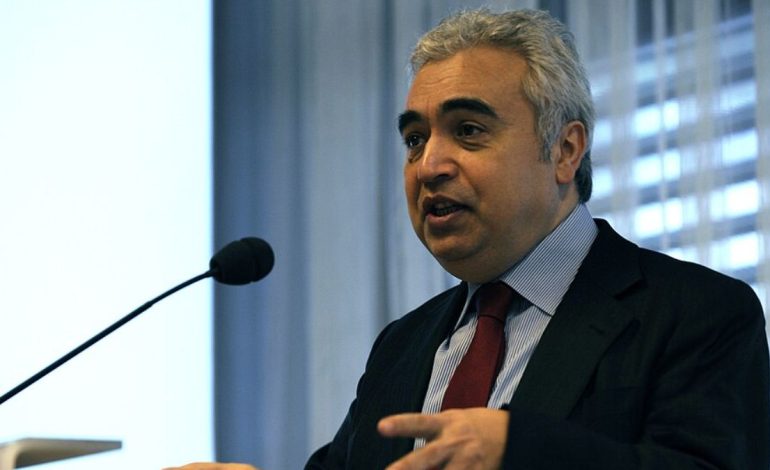
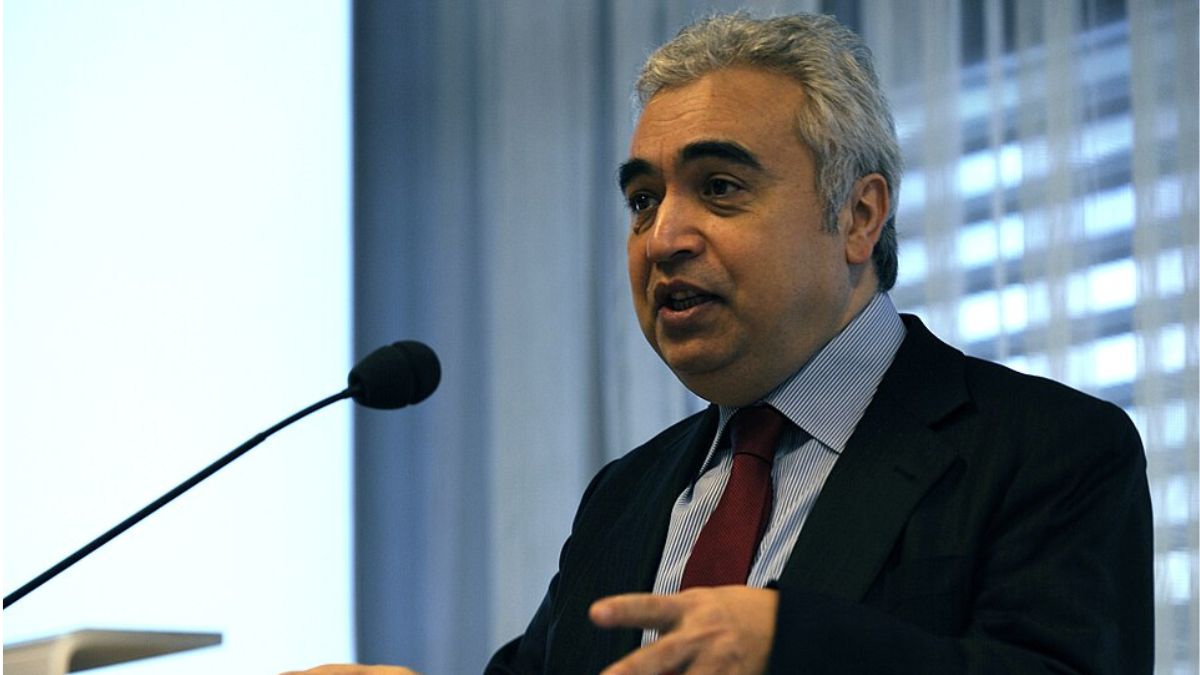
IEA chief Fatih Birol. (Image courtesy: Wikimedia Commons)

New Delhi: Europe is entering winter with unusually low natural gas reserves as the war involving Iran disrupts global energy shipments and intensifies competition for available supplies. A prolonged disruption or particularly harsh winter could push energy prices higher, increasing pressure on households and industries already facing elevated costs.
The International Energy Agency (IEA) executive director, Fatih Birol, delivered the warning during an interview with Al Jazeera in Berlin on Wednesday, published on Friday.
“Life will not be easy for Europe this year and also next year,” Birol warned, highlighting the continuing risks to European energy security.
According to Al Jazeera, European Union gas reserves were around 72 per cent full, compared with approximately 90 per cent in a typical autumn. Gas Infrastructure Europe data subsequently showed storage had reached 74.6 per cent by October 22, remaining below historical seasonal levels.
The storage shortfall is equivalent to the energy required to supply 10-12 million homes, according to analysts cited by Al Jazeera. Nearly 10 per cent of Europe’s liquefied natural gas imports passed through the Strait of Hormuz before the war, exposing the continent to disruptions in Gulf shipments and increased competition for alternative supplies.
Birol cautioned that a severe winter could drive natural gas prices higher as European buyers compete with Asian economies for liquefied natural gas (LNG).
Hormuz disruption and pressure on diesel supplies
The Strait of Hormuz, which handled approximately one-fifth of global LNG trade before the conflict, remains central to the supply disruption. Instability around the Bab al-Mandab Strait, connecting the Red Sea and Gulf of Aden, has created additional uncertainty for international shipping.
Birol expressed disappointment that governments had not invested earlier in alternative pipelines and energy infrastructure capable of reducing dependence on vulnerable maritime routes.
He argued that the current scramble to expand pipelines bypassing Hormuz reflected years of inadequate preparation for foreseeable supply disruptions.
Europe also faces pressure on diesel supplies, affecting transport, agriculture and industrial operations. Birol linked tightening supplies partly to Ukrainian attacks on Russian refineries, saying roughly one-third of Russian deliveries had stopped, without clearly specifying the relevant supply category.
In March, IEA member countries agreed to release 400 million barrels from emergency oil reserves. The agency confirmed on October 15 that approximately 330 million barrels had been released, with further supplies, including diesel, being accelerated.
Energy becoming a geopolitical instrument
Birol offered a particularly stark assessment of the growing influence of international conflicts on energy markets.
“Energy is not currently considered a business but a political leverage,” he told Al Jazeera.
He described geopolitical influence over the energy sector as unprecedented in his experience, warning that energy supplies were increasingly being used to exert political pressure.
Birol also criticized Europe’s historical dependence on Russian gas and decisions to abandon nuclear power prematurely, arguing that both had weakened long-term energy security.
Despite the challenges, the European Commission maintains that diversified suppliers, expanded LNG import capacity and reduced consumption have improved Europe’s resilience.
Birol warned that emergency reserves could not indefinitely compensate for disrupted supplies. He stressed the importance of restoring unrestricted shipping through Hormuz and Bab al-Mandab, cautioning that further shocks could overwhelm the remaining buffers available to stabilize global energy prices.