

CISF overhauls command structure, 8 sectors to get specialized security roles from November 1
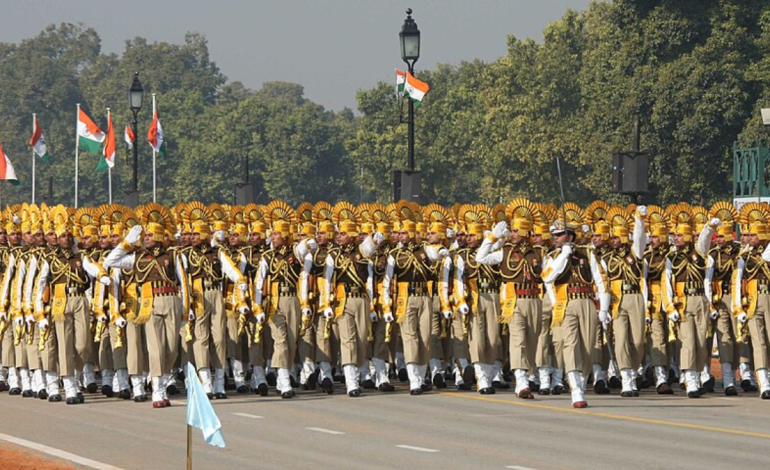
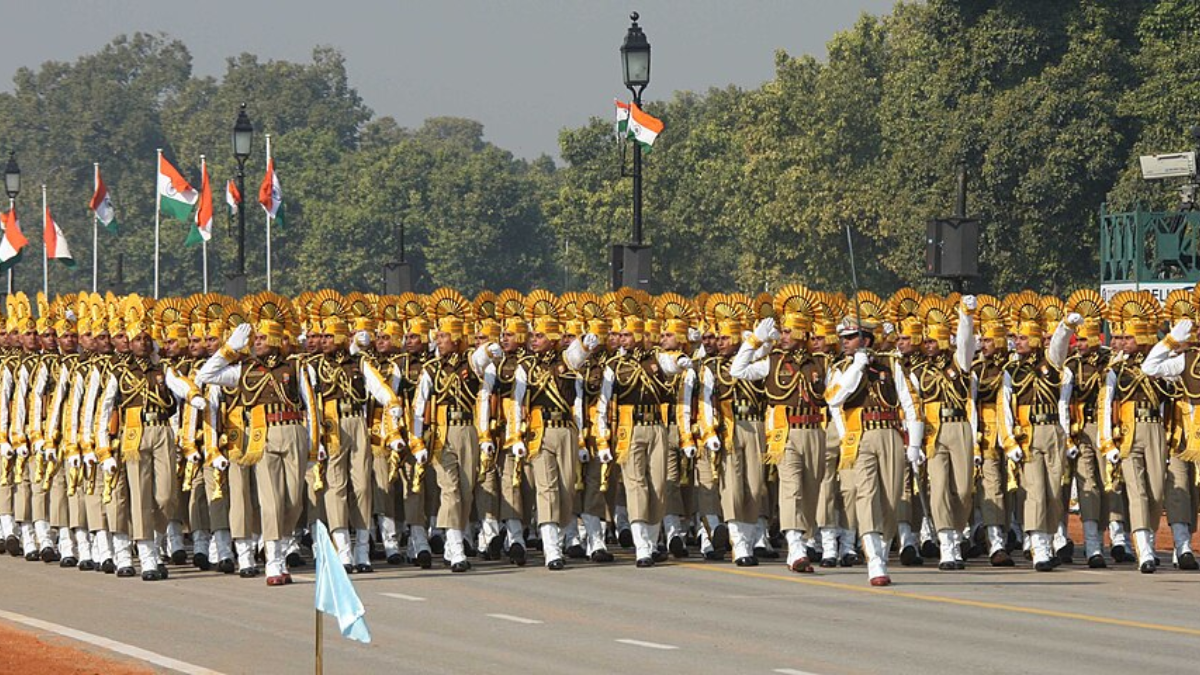
Representational image. (Image courtesy: Wikimedia)

New Delhi: A power plant in one state and a coal mine in another will no longer fall under the same kind of regional command simply because of their location. From November 1, the Central Industrial Security Force (CISF) will reorganize eight of its 11 territorial sectors, giving industries such as power, coal, steel and petroleum dedicated security commands.
The change will also reshape how the force oversees government buildings, monuments, metro systems and seaports. Instead of relying largely on geographical divisions, the CISF will group its responsibilities according to the type of facility being protected.
The CISF announced the changes on Sunday, saying the CISF director general, Praveer Ranjan, had approved the restructuring with the concurrence of the home ministry. The force said the new arrangement draws on its experience with specialized commands in aviation and other sectors, where focused supervision and training can help address specific security risks.
Power, coal and steel get dedicated commands
The north sector in New Delhi will become the Power I Sector, while the North eastern II sector in Kolkata will be renamed the Power II Sector. Both will focus on security requirements in the power industry.
The eastern sector in Ranchi will become the coal sector, and the central sector in Bhilai will be converted into the steel sector. The north eastern sector in Guwahati will take charge as the petroleum and natural gas sector.
These changes will bring installations within the same industry under specialized supervision, even when they are located in different parts of the country. The approach is intended to help the force develop security procedures suited to the risks and operational needs of each sector.
In Delhi, the national capital region sector will be renamed the government buildings, museums and monuments and mass rapid transit system (GBMM & MRTS) Sector. It will cover the security needs of government buildings, museums, monuments and mass transit systems, including the Delhi Metro.
Port security will also get a separate command on each coast. The western sector in Mumbai will become the west coast port sector, while the south sector in Chennai will become the east coast port sector.
The two commands are intended to improve coordination with port authorities and strengthen security arrangements at facilities that support India’s maritime trade. The move comes as the CISF continues to expand its role in port security.
Three sectors will remain unchanged
The department of atomic energy and department of space sector in Bengaluru, Airport Sector I in New Delhi and Airport Sector II in Bengaluru will retain their existing functional arrangements.
The CISF has gradually adopted specialized commands over the past 25 years, including for aviation and strategic installations linked to atomic energy and space. According to the force, this experience has helped demonstrate the value of focused training, specialized personnel and security procedures tailored to individual sectors.
The November 1 rollout will extend that approach to eight more sectors, replacing much of the existing territorial model.
Cybersecurity and drone threats add to CISF’s responsibilities
The changes come as the CISF takes on a wider range of security duties. The force has been entrusted with security responsibilities at high-security correctional facilities in Jammu & Kashmir and designated as the nodal agency for aerial security of critical infrastructure.
It is also developing skills in cybersecurity, detection of drones, and counter drone activities through targeted training and cooperation with premier institutions. This has been done in order to prepare the force against threats that go beyond traditional physical security.