India-US trade pact advances as New Delhi pushes for better tariff terms
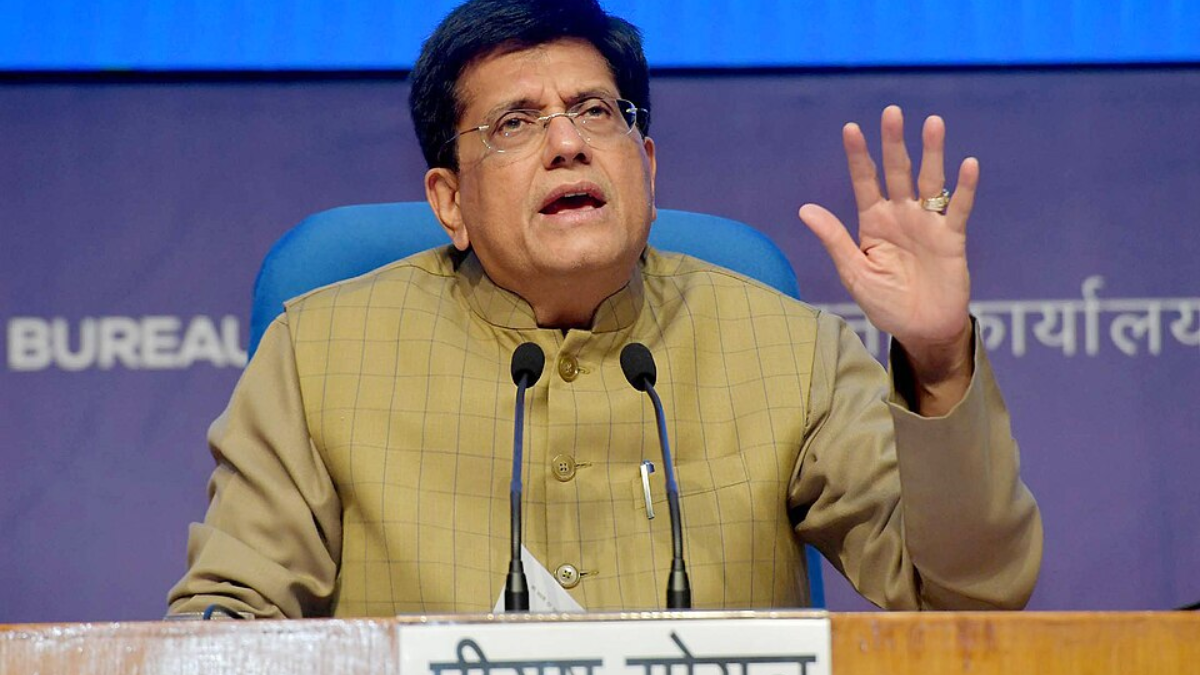
The commerce minister, Piyush Goyal. (Image courtesy: Wikimedia)

New Delhi: India wants to ensure its exporters are not placed at a disadvantage in the US market before putting its proposed trade agreement with Washington into effect. The commerce minister, Piyush Goyal, said on Thursday that the first phase of the deal had been settled and was now ready to enter in legal language.
The next step will depend on the final terms of the agreement and the tariff conditions facing Indian businesses compared with their competitors. Goyal indicated that the government was aiming to complete the process soon.
The commerce secretary, Rajesh Agrawal, was also optimistic about the talks and observed that both the parties are trying to reach an agreement. Nonetheless, the signing will be partially dependent on the work being done by Washington to create their tariff system.
The US is currently negotiating its tariffs regime, which includes tariffs associated with Section 301 investigations. The investigations give the US government an opportunity to assess specific trade activities and impose further trade measures.
The outcome matters to India because the terms offered to competing economies could affect the position of Indian exporters. New Delhi wants its businesses to remain competitive when selling goods in the American market.
S Jaishankar, the external affairs minister, addressed the negotiations at the Bloomberg New Economy Forum this week. He indicated that the discussions were moving towards a possible conclusion, although differences in the trade arrangements negotiated by the US with other countries remain an important consideration.
India and the US started discussions on the proposed trade pact in early 2025 to address tariffs, reduce non-tariff barriers and enhance market access for each other. The two countries announced a framework for an interim agreement in February, but the deal has not yet taken effect.
The negotiations have unfolded against a difficult period in bilateral relations. Washington imposed punitive tariffs on Indian goods last year, while disagreements over the United States president, Donald Trump, claims about his role in de-escalating the India-Pakistan military clashes in May 2025 drew a sharp response from New Delhi.
Immigration policy has added another point of friction. The US increased H-1B visa fees and later moved to restrict a green-card processing programme affecting major technology companies, including India’s Tata Consultancy Services and Wipro.
Despite these differences, Indian officials have continued to signal progress on the trade front. The immediate challenge is to settle the remaining terms while ensuring that the final arrangement offers Indian exporters a competitive position in the US market.