
New Zealand seeks bigger Tarang Shakti role, puts maritime ties with India first
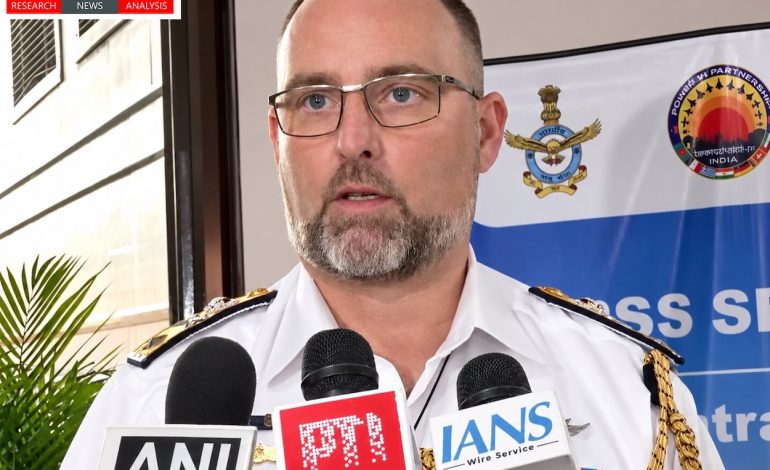
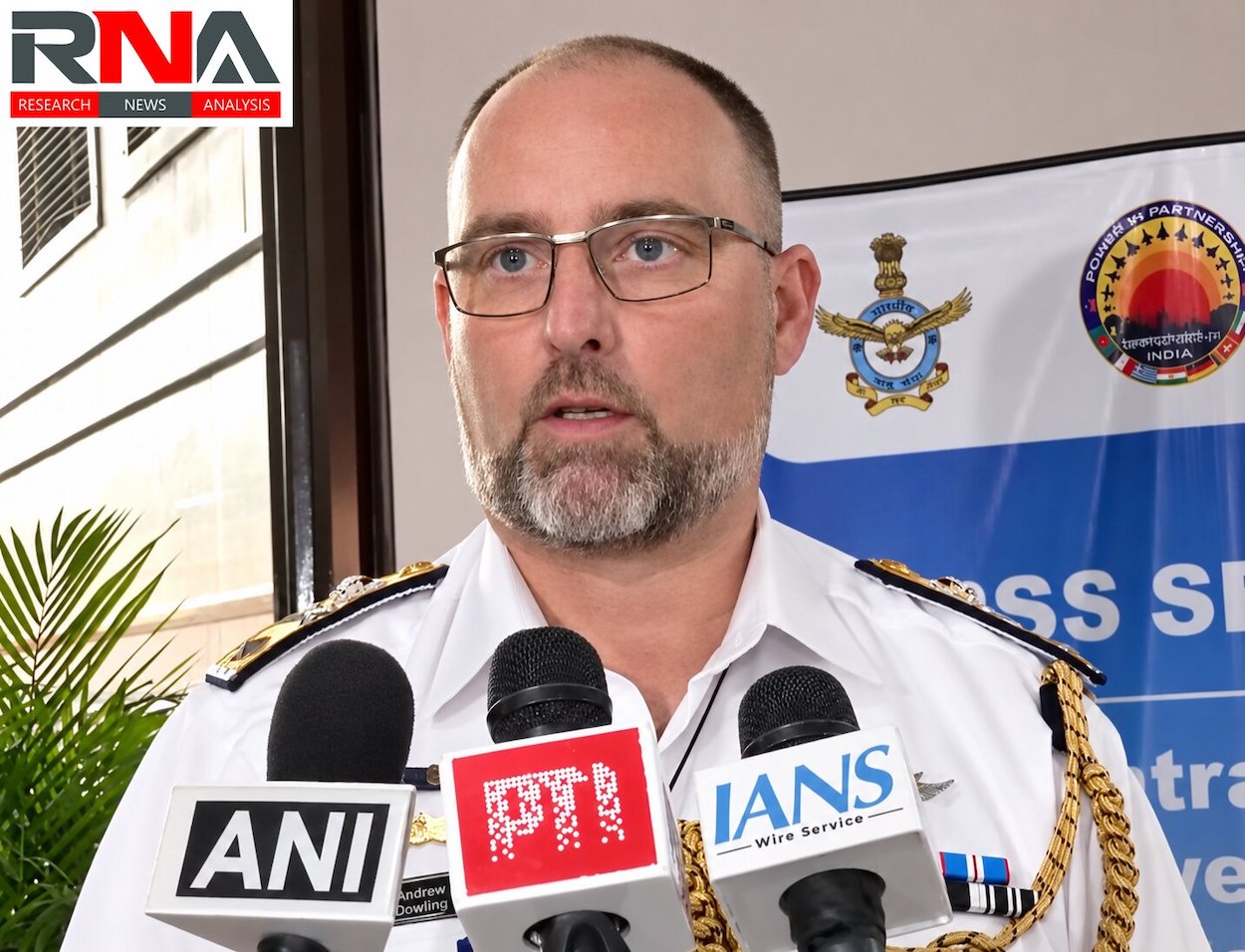
Commodore Andrew Dowling.

New Delhi: New Zealand wants a larger role in India’s multinational air exercise Tarang Shakti, while identifying maritime cooperation as the main avenue for expanding defence ties between the two countries. Its defence adviser to India, Commodore Andrew Dowling, said naval engagement, specialist exchanges and ship visits were among the activities envisaged over the next year.
Speaking to reporters in Jodhpur on Saturday, Dowling said the exercise provided valuable training and helped participating forces build relationships and develop compatible operating practices. “It’s an exercise that we want to be more involved in,” he said, acknowledging the effort required to organize complex multinational training.
His remarks indicated Wellington’s interest in expanding its engagement, although the interview contained no announcement of an aircraft deployment or a defined role in a future edition. Dowling said bilateral defence activity had become considerably busier over the past two years, with scope for cooperation involving the two countries’ armies and air forces alongside their navies.
The second edition of Tarang Shakti, hosted by the Indian Air Force (IAF), runs from September 26 to October 12 at Air Force Station Jodhpur. According to the defence ministry, seven foreign countries – Australia, Bangladesh, France, Germany, Sri Lanka, the United Arab Emirates and the United States – are participating with air forces, alongside 32 observer nations.
Building on the inaugural exercise in 2024, this year’s edition brings together combat, transport, surveillance and aerial refuelling capabilities for joint mission planning and operational training. Such engagements help personnel understand how partner forces communicate, coordinate missions and employ aircraft with different capabilities and procedures.
For India and New Zealand, the interest in closer air force engagement follows a more developed naval relationship. A defence-cooperation memorandum signed during the visit of the prime minister of New Zealand, Christopher Luxon, to India in March 2025 established a framework for regular bilateral defence engagement.
The relationship acquired a permanent military liaison presence when Dowling began his posting in New Delhi in February 2026 as New Zealand’s first resident defence adviser to India. Previously, New Zealand’s defence advisers accredited to India had been based elsewhere, making the appointment a practical step towards more sustained contact between the two establishments.
Naval cooperation already has an operational precedent in Combined Task Force 150 (CTF-150), which New Zealand commanded in 2025 with India serving as deputy commander. The task force operates under the Bahrain-based Combined Maritime Forces and focuses on maritime security, particularly disrupting narcotics trafficking in Middle Eastern waters.
During the six-month New Zealand command, ships supporting the task force conducted 55 boardings and seized seven tonnes of narcotics, according to the New Zealand Defence Force. Indian personnel served in its multinational headquarters, providing experience of working together in an operational command structure.
Further arrangements were concluded during the visit of the prime minister, Narendra Modi, to New Zealand in July, when the countries elevated their relationship to a strategic partnership. The maritime agreements cover coordination and information exchange, hydrography and nautical cartography, and reciprocal logistics support during approved activities and operations.
These provisions give the partnership several practical areas of work beyond ship visits: sharing hydrographic data, producing navigational charts, training specialists and supporting naval deployments. The chief of the naval staff, Admiral Krishna Swaminathan, subsequently visited New Zealand in September, where the two sides reviewed their growing maritime engagement.
The strategic partnership roadmap to 2030 envisages bilateral naval exercises, exchanges across the military services and an annual maritime security dialogue led by the two foreign ministries. Dowling’s remarks suggest that naval activity will remain the immediate priority as Wellington explores a broader role in India’s military training engagements.