

Pakistan imposes emergency rule in Khyber Pakhtunkhwa, PTI condemns move in Imran Khan’s stronghold
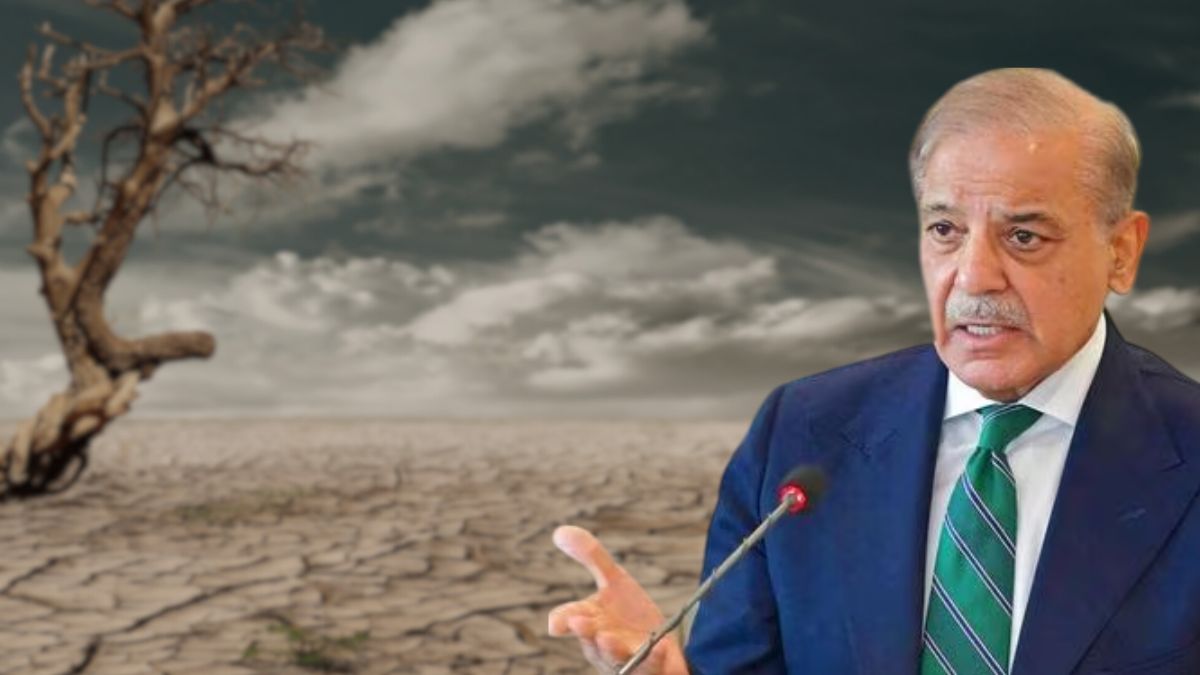
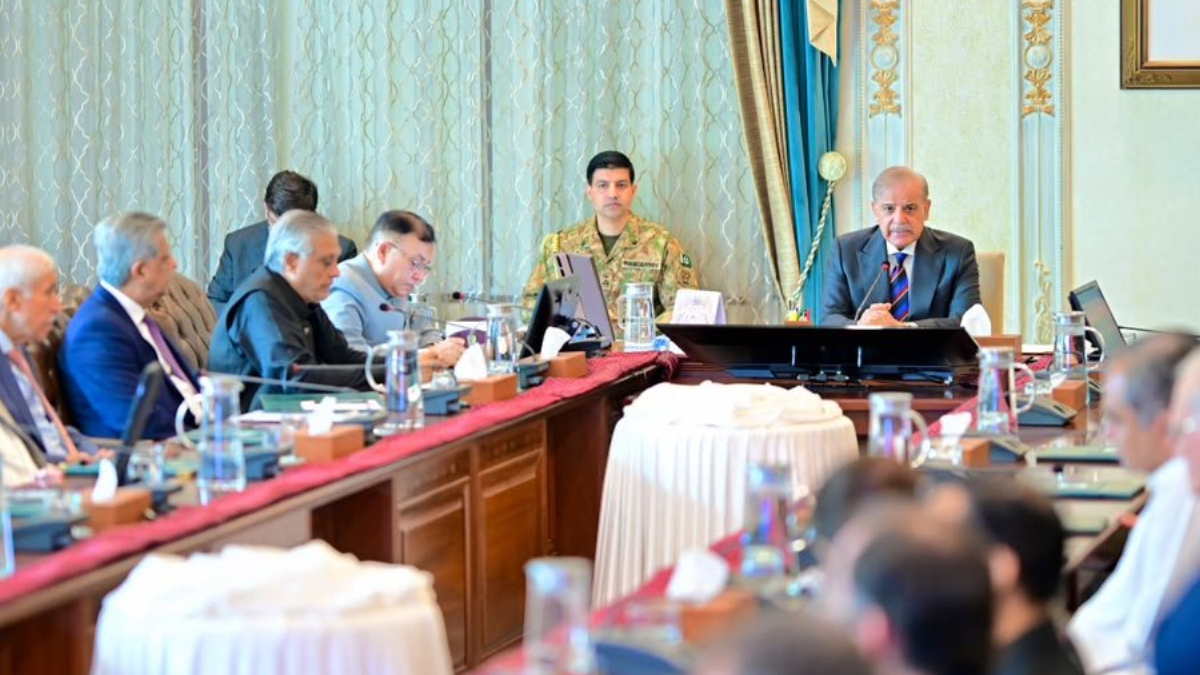
The Pakistani prime minister, Muhammad Shehbaz Sharif, chairs a meeting of the Federal Cabinet in Islamabad. (Image courtesy: X/@PakPMO)

New Delhi: Pakistan on Sunday has imposed emergency and governor’s rule in jailed former Pakistan prime minister, Imran Khan, stronghold of Khyber Pakhtunkhwa, suspending the powers of his political party PTI-led provincial government amid a growing dispute over terrorism and security policy. The Pakistani president, Asif Ali Zardari, approved the federal cabinet’s recommendation after Pakistani prime minister, Shehbaz Sharif, government accused the province’s leadership of failing to cooperate in the fight against militancy.
The decision was recommended by Shehbaz Sharif’s federal cabinet under Articles 232 and 234 of Pakistan’s Constitution. According to the Pakistan prime minister’s office, the cabinet reviewed the worsening law and order situation and rising terrorism in Khyber Pakhtunkhwa, blaming the provincial government for its “deliberate indifference” to the fight against terrorism. The cabinet then advised Shehbaz to recommend emergency rule to Asif Ali Zardari.
The decision follows a prolonged dispute between Islamabad and the PTI government in Khyber Pakhtunkhwa over how to address militant violence. The northwestern province, which borders Afghanistan, has faced repeated attacks, with the federal government criticizing the provincial administration’s counterterrorism efforts and its approach to engagement with Afghanistan’s Taliban authorities.
The PTI has opposed military operations launched without adequate consultation with the provincial government, arguing that elected representatives must have a say in security decisions affecting the province.
The dispute also comes as the PTI intensifies its campaign for Khan’s release. The party has held rallies for several days and threatened to march on Islamabad, adding to tensions between the opposition and Sharif’s government.
What do emergency and governor’s rule mean?
Article 232 of Pakistan’s Constitution provides for an emergency when the country’s security is threatened by war, external aggression or internal disturbances beyond a provincial government’s ability to control. Article 234 deals with the failure of constitutional machinery in a province and provides for federal intervention in its administration.
Under governor’s rule, the president can direct the provincial governor to assume some or all functions of the provincial government, subject to constitutional requirements. The proclamation must be presented to a joint sitting of Parliament and cannot remain in force for more than six months without the required approvals and extensions.
Following the decision, the federal government appointed Dr Muhammad Fakhr Alam Irfan, formerly secretary of the power division, as Khyber Pakhtunkhwa’s chief secretary, according to an official notification reported by Dawn. The appointment took effect immediately.
Security was also tightened in Peshawar, with heavy police deployment and road barriers. According to Pakistani media reports, internet disruptions in some areas were reported, with mobile data services slowed or suspended in selected areas of some cities. However, there was no province-wide internet shutdown.
PTI condemns decision as undemocratic
The PTI chairman, Barrister Gohar Ali Khan, strongly condemned the move, calling it “undemocratic” and warning that “peace cannot be established by weakening provincial autonomy”. He said the fight against terrorism should not be used to suppress people’s voices or limit the province’s constitutional powers.
PTI leader Sayed Z Bukhari condemned the reported arrests of Khyber Pakhtunkhwa chief minister, Sohail Afridi, and Pakistani member of parliament Junaid Akbar, describing the move as a “coup disguised as emergency or governor rule”. He warned that it could lead to further instability and collateral damage.
Bukhari also criticized Khyber Pakhtunkhwa governor, Faisal Karim Kundi, in a separate social media post, sharing a list of his past election contests and losses. The post questioned Kundi’s ability to “run and ‘fix’ things in KP”.
According to Dawn, the PTI is considering challenging the decision in court, boycotting legislative proceedings and organizing peaceful protests. The opposition alliance Tehreek-i-Tahafuz-i-Ayin-i-Pakistan has also described the move as unconstitutional.
Faisal Karim Kundi defended the move, saying, “We must stand shoulder to shoulder with our state to confront terrorism.” He said the decision was aimed at restoring peace, protecting residents and ensuring the province’s development.
What happens next?
The next steps will depend on the federal government’s implementation of emergency rule and the PTI’s response. The party may challenge the decision in court and organize protests, while further action will depend on the constitutional process and decisions by the relevant authorities.