

Trump calls for Zelenskyy’s replacement as Russian diesel deal splits Ukraine’s allies
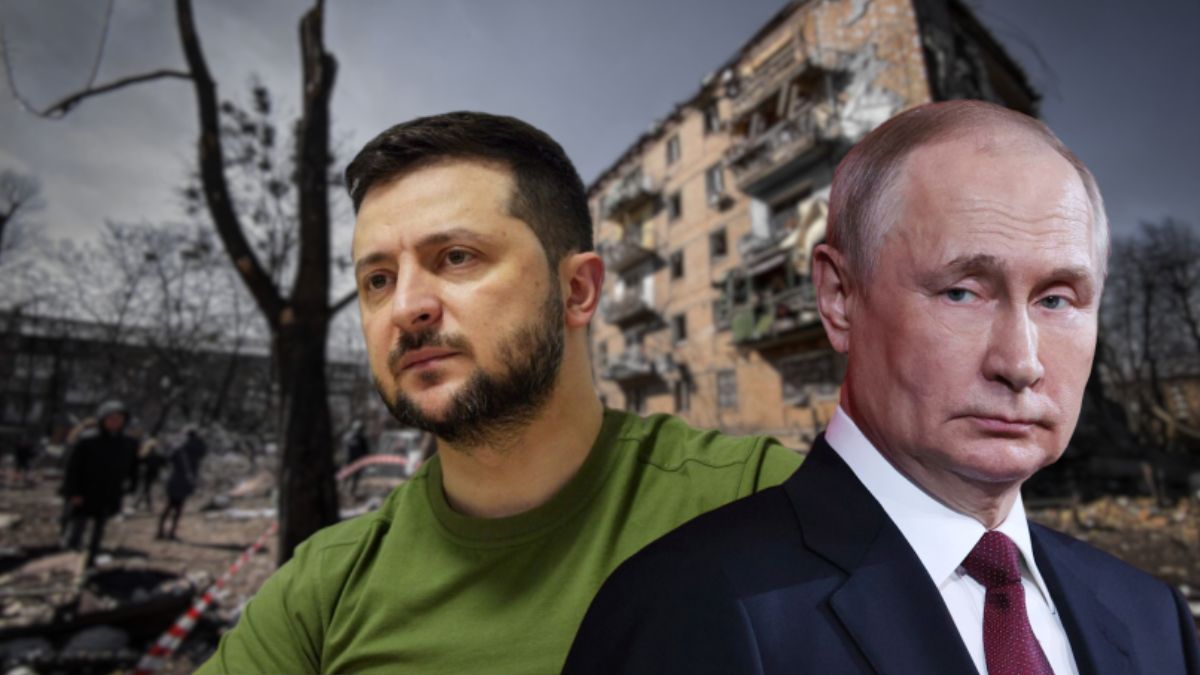
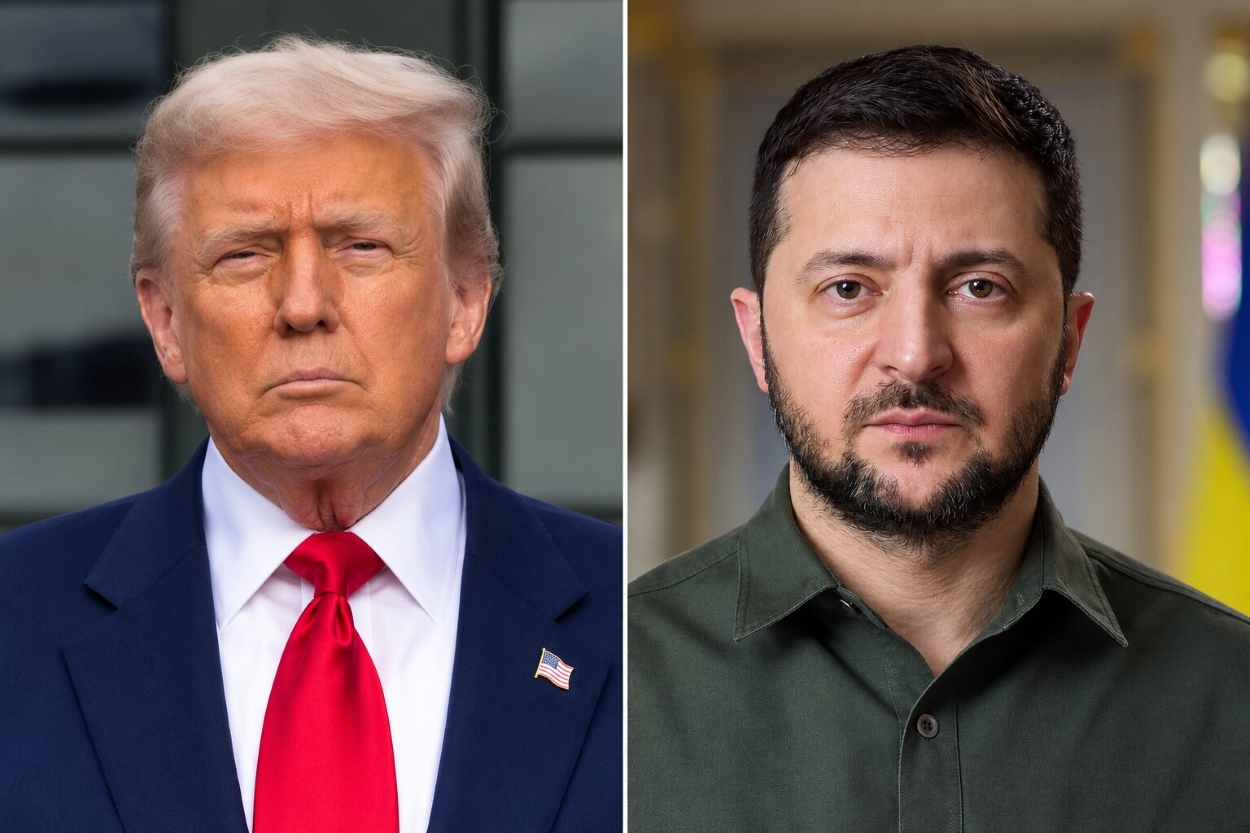
Donald Trump (L) and Volodymyr Zelenskyy.

New Delhi: The US president, Donald Trump, called for Ukraine to replace its president, Volodymyr Zelenskyy, on Saturday, escalating a dispute over Washington’s decision to ease sanctions on Russian diesel. His intervention came as Ukrainian authorities reported that Russian airstrikes on Zaporizhzhia had killed 20 people, including three children, a day after Trump announced the fuel agreement with Moscow.
Speaking to reporters at the White House, Trump accused Zelenskyy of failing to secure a peace settlement and demanded that Ukraine stop attacking Russian refineries. He argued that those strikes were restricting diesel supplies and hurting American farmers and ranchers, linking his criticism of Kyiv directly to his campaign to reduce fuel prices.
The diesel agreement with Russia, announced on Friday, followed a telephone conversation between Trump and the Russian president, Vladimir Putin. Trump said Russia would immediately supply more than 300,000 metric tonnes to American and international markets, followed by 500,000 tonnes in November and another million tonnes thereafter.
Washington subsequently issued a temporary licence easing restrictions on Russian diesel supplies for roughly six months. The decision reversed the direction of American pressure on Moscow only weeks after Trump signed legislation intended to tighten restrictions on the energy revenues supporting Russia’s war.
In Zaporizhzhia, Ukrainian officials said Russian glide bombs struck residential buildings, leaving at least 18 people wounded as rescuers searched damaged apartments. The industrial city’s outskirts lie less than 30 kilometres from the front line, and its neighbourhoods have repeatedly come under bombardment.
The victims included a six-year-old girl whose grandfather waited as rescuers recovered her body from the wreckage. Elsewhere, strikes disrupted electricity supplies in Kyiv and the surrounding region, bringing the capital’s metro services to a halt for the second time that week.
Zelenskyy condemned the sanctions relief, arguing that additional export earnings would help Russia purchase weapons components, upgrade drones and expand missile production. He portrayed the latest bombardment as evidence that Moscow interpreted reduced economic pressure as permission to continue fighting.
Ukraine has offered to stop attacks on energy facilities if Russia makes a corresponding commitment to halt strikes on Ukrainian infrastructure. That leaves a central disagreement unresolved – Washington wants Russian refineries spared to improve fuel availability, while Kyiv seeks reciprocal protection for its electricity network.
The Financial Times reported that American representatives had warned Ukrainian negotiators that continued refinery attacks could jeopardize US intelligence sharing. The reported warning would raise the stakes for Kyiv, whose campaign against Russian energy facilities is intended to weaken Moscow’s capacity to sustain the war.
The diesel announcement also complicated peace discussions in Miami, where American, Ukrainian and European representatives held six hours of negotiations on Friday. According to a person familiar with the discussions, the agenda included security guarantees, reconstruction, Ukraine’s route towards EU membership and possible approaches to territorial disputes.
A senior Ukrainian official told the Associated Press that Kyiv had received no advance notice of the fuel agreement and that it was unrelated to the matters being negotiated in Florida. Zelenskyy consequently questioned whether Ukraine’s participation in the talks had been used to provide diplomatic cover for Washington’s separate arrangement with Moscow.
European governments signalled that they would maintain their sanctions policies despite the American decision. Sweden’s prime minister, Ulf Kristersson, expressed regret over the deal and pointed to a planned EU package containing 1,600 sanctions listings, while Germany reaffirmed its commitment to restrictions on Russia and continued support for Ukraine.
The prospect of sustained price relief remains uncertain, with analysts warning that the promised shipments may offer only limited help to a strained market. American diesel prices had reached $6.28 a gallon before the announcement, making fuel costs a pressing political issue ahead of the November 3 congressional elections.
Energy specialists also questioned whether redirecting Russian cargoes would meaningfully increase overall supply, rather than oblige existing customers to find alternative suppliers. Details about payment arrangements and any American concessions remained unclear, leaving both the commercial benefits and the wider diplomatic consequences difficult to assess.
Trump’s call for a leadership change encounters a further practical obstacle: Ukraine’s continuing wartime conditions. Its ambassador to Australia and New Zealand, Vasyl Myroshnychenko, said there was broad political agreement that elections could not presently ensure safe and effective participation by soldiers at the front or Ukrainians living abroad.